
Seattle Seahawks Injury Update: Anthony Bradford Lands on IR
A bruised line loses another anchor, and the margin for error shrinks fast.
 Beatrice Kensington6 min read
The Seahawks have reached that part of the season where every roster move feels like a small confession. Placing Anthony Bradford on injured reserve does not merely remove a starting right guard from the lineup; it exposes the little seams that hold an offense together, the kind you only notice when they begin to split. Seattle can survive a bad series. It can even survive a bad half. But line injuries, when they start stacking, ask a harder question: how much structural stress can one team absorb before the whole operation begins to tilt?
Bradford’s move to IR means he is out for at least four games, and in a league that never stops turning the crank, that absence carries real weight. Offensive line continuity is one of football’s quiet luxuries, never glamorous and often ignored until it disappears. The Seattle Seahawks now have to reshuffle protection on the right side, and that is never just a one-player adjustment. It changes handoffs, communication, double-team timing, and the rhythm of the run game. One injury becomes three conversations. One missed assignment becomes a third-and-long. That is how the NFL works; it is a machine with no patience for softness.
What Bradford’s absence does to the right side
Bradford’s injury lands in the place where pass protection and power football meet, and that is no small matter for a team trying to establish any kind of offensive identity. Right guard is not a headline position, but it is a hinge position. It helps determine whether the pocket is orderly or collapsing from the inside. It helps decide whether a back hits daylight or runs into a wall of bodies.
Seattle now has to ask a replacement to do more than simply survive. The next man up must not only hold leverage against interior bull rushes, but also communicate cleanly with the tackle and center beside him. Those are the invisible tasks that determine whether a drive stays on schedule. Lose that stability, and the quarterback starts feeling ghosts. The back starts pressing. The offense becomes narrower, more predictable, easier to squeeze.
That is why this move matters beyond Bradford’s own availability. It tests the depth chart, yes, but it also tests the coaching staff’s willingness to simplify and adapt. Teams that survive line attrition do so by making the game smaller. They shorten the menu. They lean on quick throws, motion, and help in protection. The ones that fail insist on pretending nothing has changed.
A familiar NFL truth: the line always keeps score
The league has a cruel habit of reducing good intentions to footnotes. You can draft skill, design spacing, and talk about explosive plays until the autumn air turns cold, but eventually the story returns to the trenches. The NFL does not reward aesthetic football. It rewards the team whose front five can remain upright long enough to let the rest of the plan breathe.
Seattle’s current problem is not unique, and that is precisely what makes it so instructive. The teams that ultimately stumble in October and November are rarely undone by one catastrophic failure. They are hollowed out by a sequence of smaller ones, the cumulative kind that leave no dramatic scar but change the shape of the season. A guard injury may look modest on the transaction wire. It is not. It is often the first loose brick in a wall that was already being pushed.
In the NFL, the offensive line is less a unit than a weather system: when one front shifts, everything behind it changes course.
There is also the matter of morale, which coaches prefer to discuss in practical terms even though everyone in the building understands the emotional weather. A starter landing on IR does not just alter the depth chart; it reminds everyone how fragile the week-to-week enterprise truly is. Players notice. Veterans notice. The sideline notices.
The hidden cost for an offense trying to find rhythm
If Seattle was hoping to settle into a more stable offensive cadence, Bradford’s absence pushes that goal farther out. Interior line injuries tend to bleed into everything. Running backs feel it first, because creases come later and smaller. Quarterbacks feel it next, because interior pressure wrecks timing faster than edge heat. Receivers feel it too, though their part of the pain is subtler: routes that need an extra beat to develop may never get that beat.
This is where the Seahawks’ coaching staff earns its keep. The answer is rarely some dramatic schematic reinvention. More often it is a week of careful compromise. Extra tight ends. More chip help. Quicker releases. A few plays the coordinator would rather not call but must, because the alternative is a quarterback taking hits that linger long after the whistle.
I have long believed that the most revealing NFL injuries are not always the ones that blow up the scoreboard. They are the ones that force a team to change its posture. Bradford’s IR designation does exactly that. It nudges Seattle away from the illusion of completeness and toward the hard business of adaptation. The good clubs make that transition without complaint. The merely decent ones spend a month pretending the problem is temporary while the standings quietly disagree.
What Seattle must prove over the next month
The next four games will tell us more about the Seahawks than Bradford’s absence alone. Can they keep the run game functional enough to prevent defenses from pinning their ears back? Can they protect the pocket well enough to preserve confidence? Can the replacement spot hold long enough to avoid forcing every other blocker into emergency mode?
There is also a larger lesson here for a franchise that has spent years trying to bridge eras, identities, and expectations. The Seahawks do not need a perfect offensive line to stay relevant. Few teams have one. They do need competence, communication, and enough physical stability to let the rest of the roster matter. If they can survive this stretch without the whole offense turning brittle, that will say something useful about the depth of the roster and the discipline of the coaching staff.
If they cannot, then Bradford’s placement on IR will read less like a temporary setback and more like an early warning. Football seasons are rarely lost in the bright, obvious moments. They are lost in the quiet ones, when a starter disappears and the rest of the team discovers how thin the margin really was.
The Seahawks have four games to keep the floor from sagging. That clock has already started.
More from Straight From The Bench
Comments
Join the conversation — sign in to leave a comment.
Sign in to commentRelated Stories
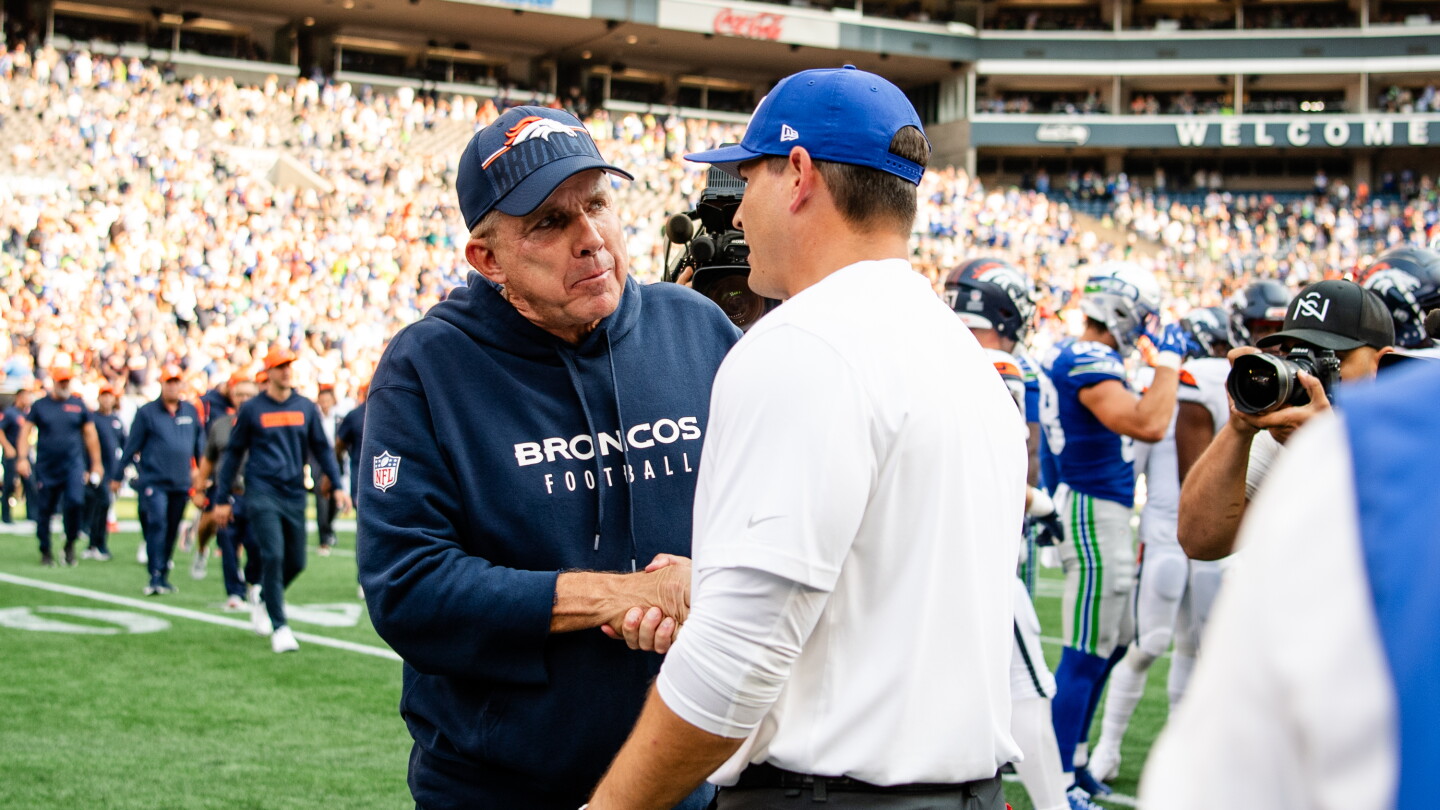
Mike Macdonald Sean Payton Apology: Seahawks Coach Clears the Air
Mike Macdonald says his Sean Payton comments were meant to stay off the record. The Seahawks coach is now doing the grown-up thing: owning it and moving on.
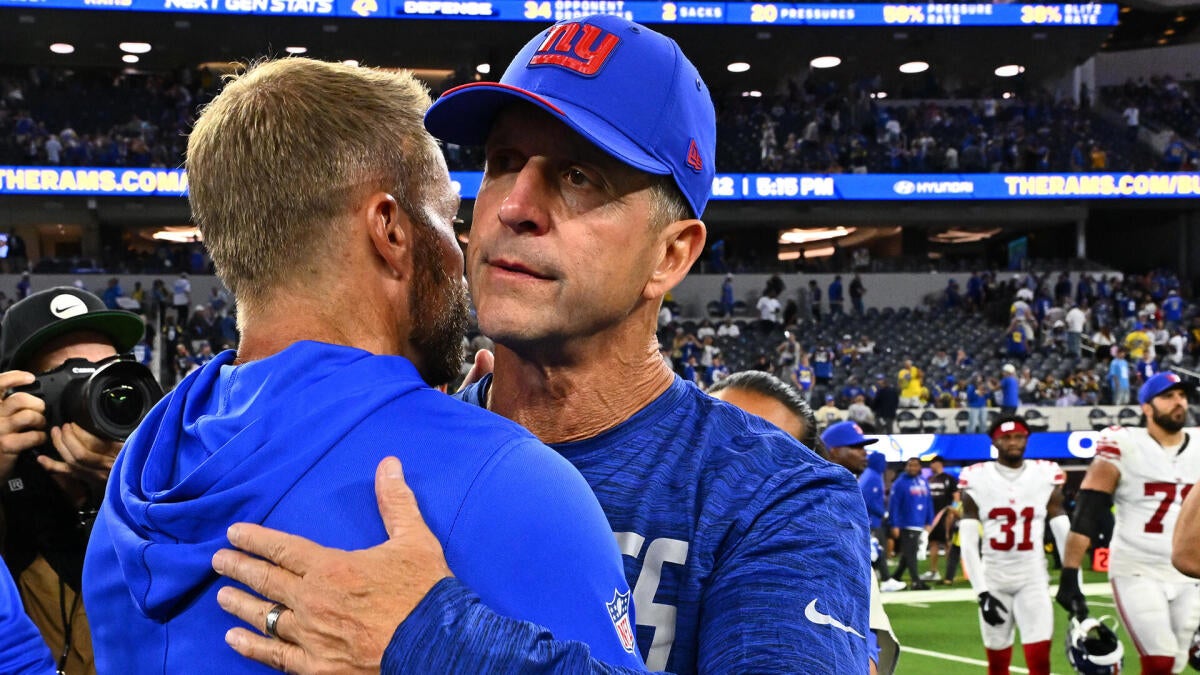
Giants QB Trades: Five Options After Jaxson Dart’s Season Ender
Jaxson Dart’s season is in the tank, and now the Giants are staring at the usual mess: patch the hole or chase a veteran with baggage. Either way, the clock’s ticking.
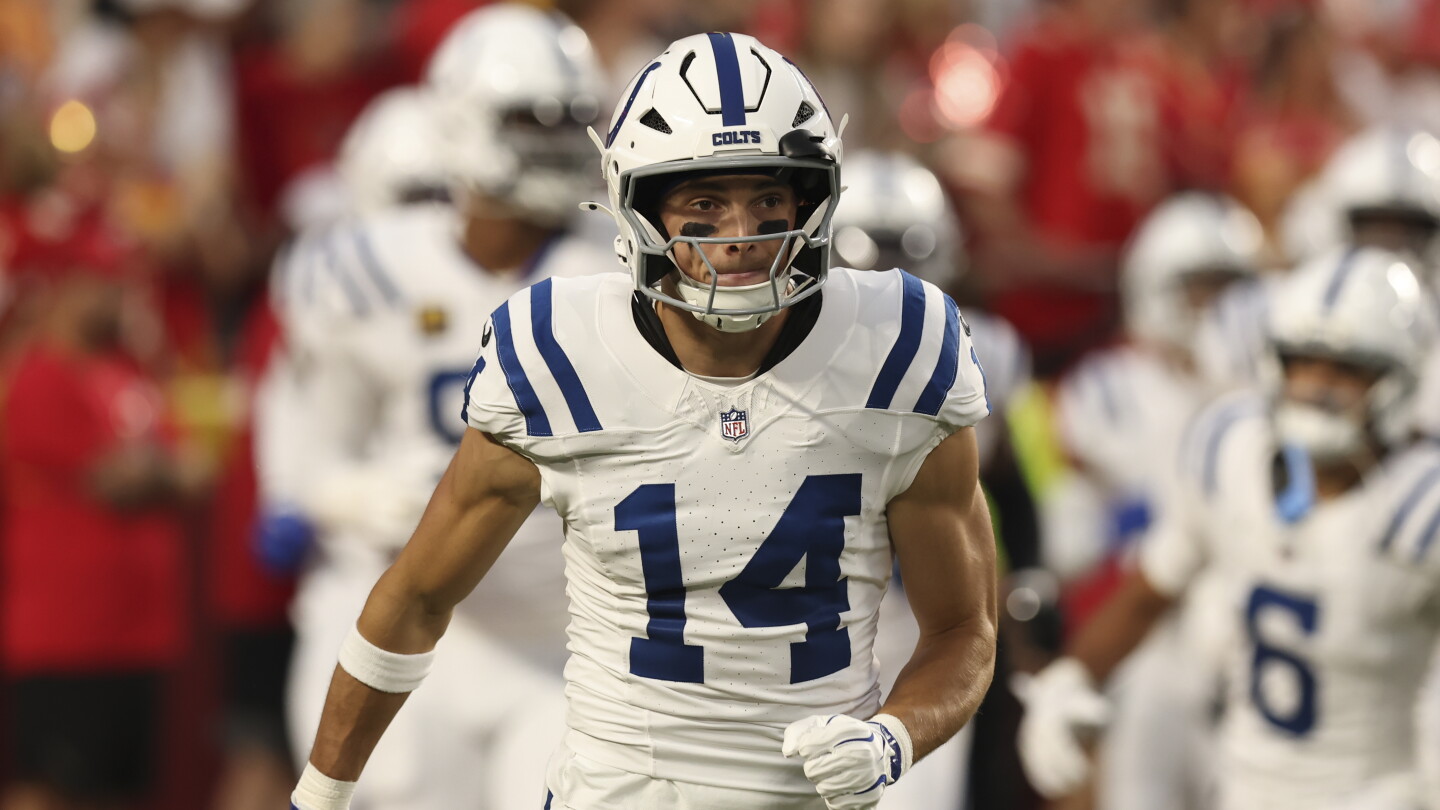
Colts Injury Update: Alec Pierce Heads to IR After Heel Aggravation
Alec Pierce is headed to injured reserve after aggravating the heel he had surgically repaired. For Indianapolis, that means at least four games without one of its cleanest downfield threats.