
FIFA World Cup private equity plan scrapped after pushback
Infantino tried to turn the game’s cash flow into a Wall Street project. Soccer said no.
 Zane Miller5 min read
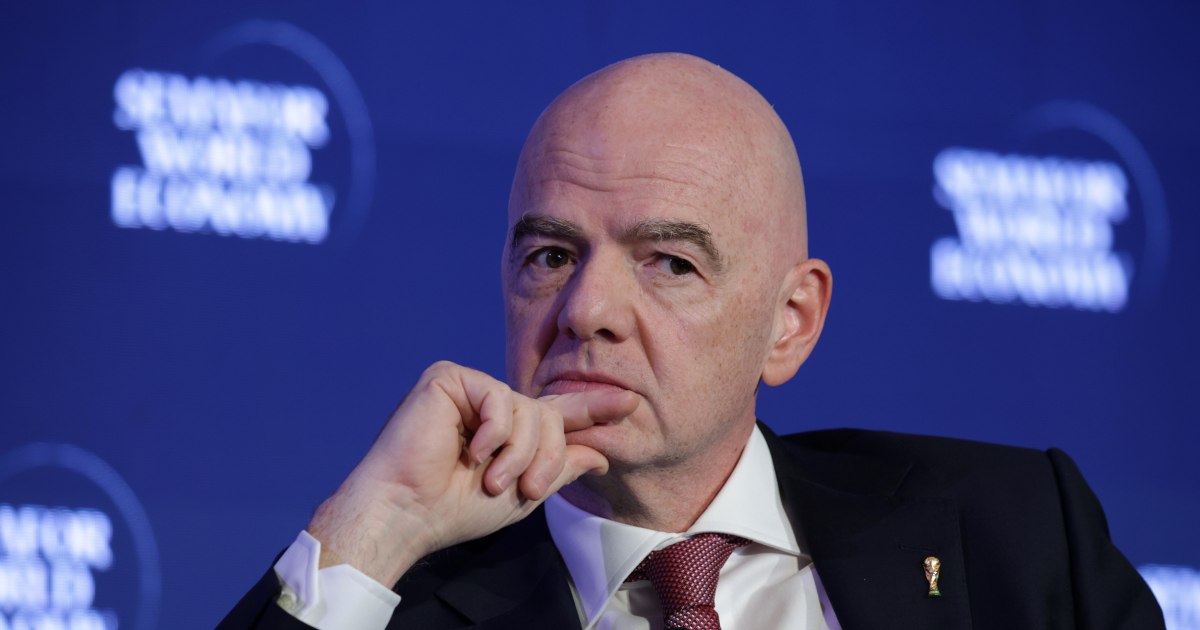
Gianni Infantino got the message loud and clear: touch the World Cup cash stream like it’s a regular asset class, and the entire sport will light up your phone. The FIFA president is now abandoning his plan to sell World Cup profits to private equity after pushback came from just about every direction that matters — federations, power brokers, and plenty of people who’ve seen enough of football’s governance circus to know where this was headed.
This wasn’t some small accounting tweak. It was a real attempt to reframe the most valuable event in soccer as a financing vehicle. The World Cup is not just FIFA’s crown jewel; it is the engine room. Every broadcaster, sponsor, host nation, and federation knows the tournament’s money isn’t just money. It is leverage. It is political capital. It is the reason FIFA can keep its ecosystem stitched together.
Why the private equity pitch collapsed so fast
The second you put private equity anywhere near World Cup profits, you invite a fight over control. Not necessarily formal control at first — more subtle than that. Future revenue pledged today. Returns expected tomorrow. Pressure on decision-making the day after. That’s how these things usually go.
And soccer has spent years learning that the people who show up with capital rarely arrive with empty hands. They want a seat, or influence, or at minimum a claim on future upside. That’s exactly why this idea hit such a wall.
The FIFA brand can sell itself as a global steward only so long as it doesn’t look like a cash-strapped operator pawning off tomorrow to solve today. The organization already lives under a permanent cloud of skepticism. This move didn’t help. It looked too much like financial engineering and not enough like governance.
The political resistance also makes sense because the World Cup sits on a different shelf than a normal commercial property. This isn’t a franchise. It’s a cyclical, four-year event with massive geopolitical weight. If you start monetizing its future profits to private investors, you’re not just changing the balance sheet. You’re changing the conversation around who the tournament is for.
What this means for FIFA’s power structure
This retreat tells you a lot about where the actual pressure points are inside soccer. Infantino can push, probe, and float ideas — but he still has to survive the room. That room includes confederations, member associations, and a global fan base that does not exactly trust shiny finance language when it wraps itself around the world’s biggest sporting event.
The World Cup generates enormous sums, but money alone doesn’t buy quiet. In fact, the bigger the number, the louder the objections tend to get when someone suggests selling a piece of the future. You could feel the logic breaking before the plan even fully formed. If the sport’s stakeholders believe the upside belongs to football, not outside investors, then the deal was always going to die on arrival.
There’s also a broader institutional issue here. FIFA has spent years trying to polish its image as more transparent, more modern, more commercially sophisticated. But this is the sort of move that reminds everyone how thin that veneer can be. If you are constantly trying to prove legitimacy, the last thing you want is a storyline that sounds like liquidation.
The bigger financial lesson: soccer is not a theme park
Private equity has spent years circling sports because sports look tidy on spreadsheets. Locked-in demand. Huge media value. Scarcity. Emotional consumers. The whole thing screams recurring revenue to investors looking for durable returns. But soccer is still governed by a different social contract than most North American leagues.
That’s what makes this interesting beyond the headline. You can buy into a club. You can sponsor a shirt. You can build a stadium, fund a media rights package, and even structure all kinds of creative capital around the sport. But touching the profits from the World Cup itself is a different level of sensitivity.
FIFA can monetize almost everything around the World Cup. The one thing it can’t do easily is make the sport feel leased.
The failed plan also lands at a time when the business side of soccer is under constant stress: club debts, transfer inflation, broadcasting arms races, and the ever-growing gap between elite and developing markets. That context matters. When the money gets tight, the temptation to accelerate future revenue gets stronger. But the backlash here shows there’s still a line the sport doesn’t want crossed.
Zane’s take: this was always going to trigger a rebellion
I’ve seen enough of these financing ideas to know the smell. The pitch starts as a clever way to unlock value. It ends with everybody asking who exactly is giving up what, and for how long. That’s the trap. Once a governing body starts talking like an investment bank, the people in the sport start wondering whether the mission changed while they were busy reading the spreadsheet.
This is where FIFA’s own history matters. The organization doesn’t get the benefit of the doubt on deals that sound like monetizing the crown jewels. Not after years of governance suspicion, not in a sport that already argues over competitive balance, scheduling, and who gets to profit from the game’s growth. If you’re asking the soccer world to trust a major financial detour, you better have a lot more than a clever structure.
My read: this wasn’t just pushback. It was a boundary being enforced. Soccer told FIFA that the World Cup is still too symbolic, too important, and too politically loaded to be treated like a line item for outside capital. That should make the boardroom quieter for a while — but not for long. The money pressure never disappears. It just looks for a different door.
FIFA will move on, but the lesson lingers. The next time someone suggests turning the sport’s future into instant liquidity, expect the same reaction. Maybe even faster.
More from Straight From The Bench
Comments
Join the conversation — sign in to leave a comment.
Sign in to commentRelated Stories
FIFA World Cup Private Equity Stakes Plan Scrapped by Infantino
Gianni Infantino has shelved a private equity plan for the World Cup, and that’s one less fast buck circling the game’s richest prize.

FIFA World Cup plan fallout: Cordeiro resignation deepens crisis
Carlos Cordeiro’s exit is more than a personnel note. It lands like another crack in FIFA’s claim that private capital can be folded into the World Cup without changing its soul.

FIFA World Cup Investment Plan: UEFA Boycott Threat Explained
UEFA’s boycott threat has turned FIFA’s private-capital push into a governance fight with global stakes. The question is no longer what the game can earn, but what it can become.