
Folarin Balogun Everton Transfer: Deadline Day Deal Falls Through
A late switch, a lost target, and the quiet cost of one collapsed move
 Beatrice Kensington6 min read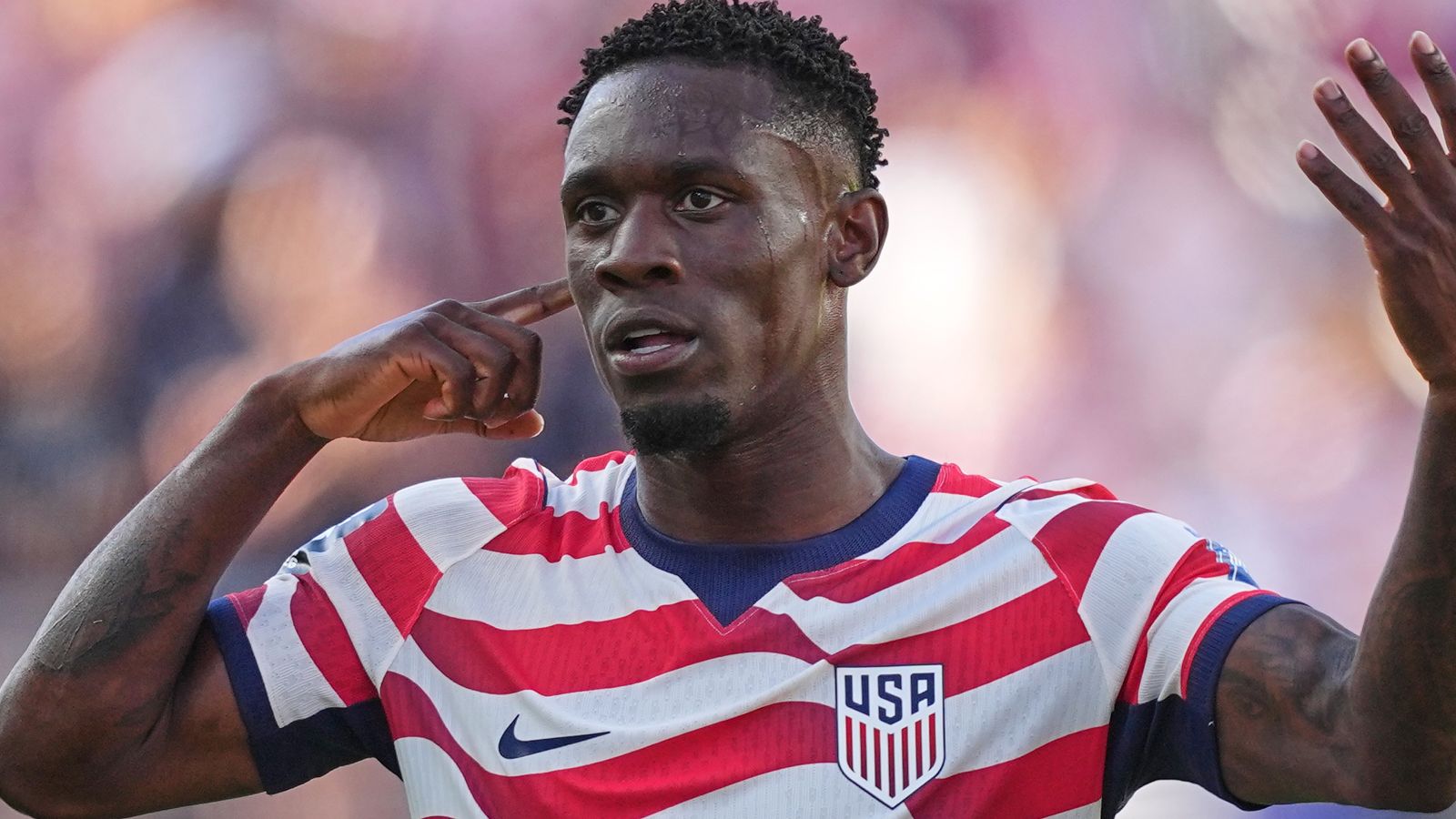
Balogun arrived with the paperwork, but not the conviction
Folarin Balogun turned up on Merseyside with the kind of timing that makes Deadline Day feel like theater and tax season all at once: the deal was there, the bodies were in place, the price was heavy, and Everton appeared ready to carry it over the line. Then the mood shifted. By the time the window closed, the move from Monaco had collapsed, and with it another chapter in Everton’s long, weary chase for a striker who can make the numbers feel less theoretical.
This is the part of the transfer market that supporters know too well. A player arrives, the cameras flash, the assumption hardens into near-certainty, and then the whole thing slips through the floorboards. Balogun’s change of heart ended the affair, but only after the deal had already sent shockwaves through a separate file on a separate desk. Chelsea’s attempt to land Lamine Camara had been complicated by the same sequence of events. In the modern market, one club’s plan is often another club’s obstruction.
Everton were buying urgency as much as goals
The fee attached to Balogun’s move — £40 million, by the reporting around the deal — tells its own story. Everton were not shopping for a luxury piece. They were hunting certainty, or at least the closest available approximation of it. A striker arrives at that price not simply to score, but to alter the atmosphere around the team: to quiet the groan that follows a half-chance, to make a manager’s selection sheet feel more respectable, to give the supporters something sturdier than hope and scraps.
That is what makes the collapse sting. Everton have spent so many seasons trying to climb out of the same mud that every transfer failure starts to resemble a structural flaw. The club needs forward momentum, yet keeps being reminded how easily ambition can be derailed by the simplest human variables: preference, hesitation, second thoughts. Balogun’s decision was not a tactical issue. It was a reminder that players, despite the spreadsheets and intermediaries and grand reveal videos, remain people with their own hierarchies of desire.
The irony is sharp. Everton did the hard, expensive, public part. They reached agreement. They welcomed the player. They set the table. And still the meal was never served.
Deadline Day can manufacture motion without guaranteeing movement.
Chelsea’s casualty is part of the real damage here
What makes this story more than an Everton near-miss is the collateral damage. The collapse reportedly affected Chelsea’s pursuit of Lamine Camara, a name that matters because it shows how interconnected the market has become. One club’s striker chase can ripple into another club’s midfield plan, and in a league as financially dense as the Premier League, those cascading effects are not accidents. They are the architecture.
There is a cold efficiency to this ecosystem, and also a fragility. Clubs stack contingencies on top of contingencies, then discover that the entire structure can wobble because one player decides the fit is not right, or the timing is not right, or the emotional weather has changed. Everton’s lost move did not merely leave a hole in their squad; it disrupted the geometry of other clubs’ windows. That is the real brutality of the deadline economy. Everyone is playing three-dimensional chess on a board that keeps moving.
For Everton, the question now becomes practical and immediate: where does the scoring come from, and how much patience remains in a support base that has seen too many promising doors close just before they open? The club can still recover from this, but only if the next move is cleaner, faster, and less dependent on one player’s private sense of destiny.
Beatrice Kensington: the market keeps punishing clubs that confuse certainty with consent
I’ve always believed the most expensive mistake in football is assuming a player has been won because the terms are agreed. That is not consent; it is arithmetic. Balogun’s U-turn is a tidy case study in the difference. The club had the fee, the flight, the optics, the expectation. What it did not have, in the final and most human sense, was the man himself.
We have seen this before, especially at clubs that live one bad season away from a fresh start being sold as a revolution. A transfer window becomes a referendum on competence, then the referendum gets held up by a single hesitation. I think Everton supporters understand the pattern better than most: they are not merely being denied a striker, they are being asked to believe again in a process that keeps arriving a step late. That is corrosive. It wears down trust in the people making the calls, and once trust frays, every subsequent deal is viewed through suspicion rather than hope.
There is also a broader lesson for clubs chasing scarcity in a market obsessed with speed. The more you pay for certainty, the more humiliating it is when the certainty evaporates. I would rather a club miss a target because the fit is wrong than because the player wakes up and decides the whole thing no longer feels right. The former is strategy. The latter is exposure.
For context on the modern transfer machine, the Premier League’s scale and pressure remain unmatched; even the league’s own official site can only ever display the finished product, not the panic behind it. And if you want the human edges of this window, look at the way deadlines have swallowed so many other stories, from Ethan Salas’s rise in San Diego to the way a single medical or legal twist can change a club’s entire week. Different sports, same old truth: timing is a merciless editor.
What Everton must do now
The immediate task is obvious, even if the market has made it ugly. Everton cannot let this become a symbol they drag into October. They need another answer at center forward, or they need to make the current group carry more of the burden than seems fair. Either path is risky. The dangerous path is doing neither and allowing this missed signing to become the season’s first mental bruise.
Balogun’s collapse will linger because it was so close to being a clean, expensive solution. Instead, it became a lesson in how often modern football sells certainty before it has earned it.
Everton move on. They have to. But this one will echo for a while, and not only in the striker market.
More from Straight From The Bench
Comments
Join the conversation — sign in to leave a comment.
Sign in to commentRelated Stories
Folarin Balogun Everton Transfer: Deadline Day Deal Collapses
Everton pushed for Folarin Balogun, but deadline day shut the door. The striker market just got tighter, and the Toffees still have a problem to solve.

Mykhailo Mudryk transfer: Tottenham land Chelsea winger on loan
Tottenham have taken Mykhailo Mudryk on loan from Chelsea, a move that resets a costly career arc and gives Spurs another wide option. It also completes a permanent deal for Tosin Adarabioyo.

Aston Villa vs Arsenal ratings: Gunners grind out narrow win
Arsenal left Villa Park with a 1-0 win and the usual argument about who looked sharp, who looked shaky, and who merely survived the afternoon.