
US Open 2026 Concessions: Caviar Nuggets, Prices, and Menu Reveal
Arthur Ashe may host the tennis, but the real hardcourt battle is at the checkout line.
 Zane Miller5 min read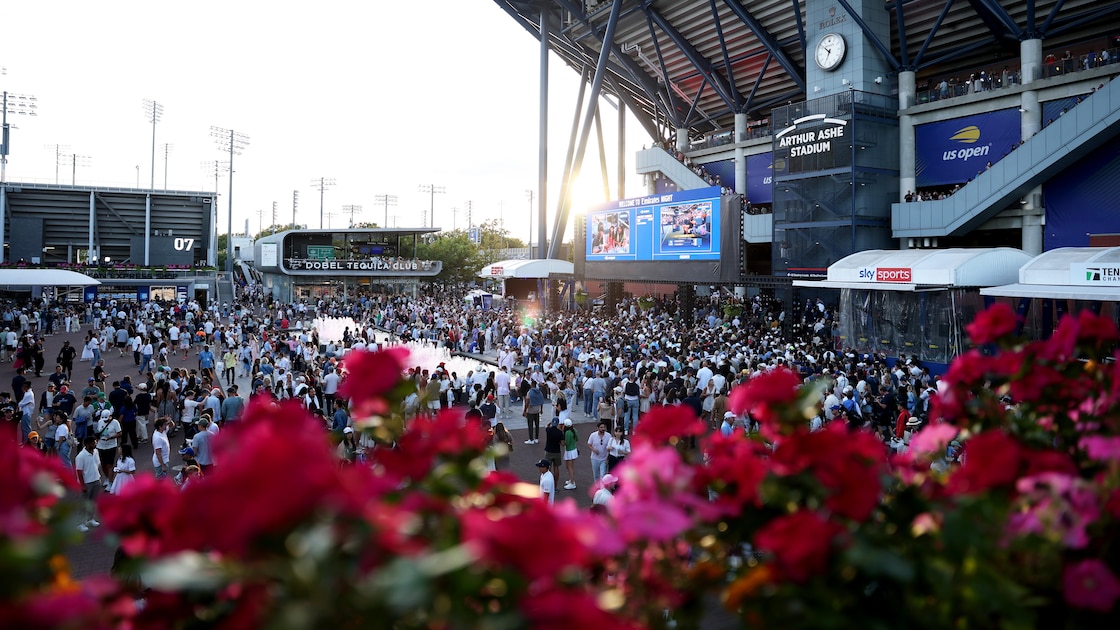
The U.S. Open has always been about more than forehands and tiebreakers. It’s a luxury week in Queens with a tennis problem. And now the food menu is leaning all the way into that reality. If you thought the biggest financial hit was the ticket itself, the 2026 concession reveal says otherwise.
Caviar nuggets. Premium pricing. A menu built to make sure nobody leaves Arthur Ashe Stadium hungry — or particularly light on cash. The sport’s loudest summer spectacle has spent years perfecting the art of making tennis feel like an event for everybody and a splurge for everybody at the same time. This is just the next step.
The U.S. Open food court is its own revenue stream
The modern U.S. Open) has become a full-service entertainment operation, and food is right at the center of it. That’s not a side note. That’s strategy.
Tournament operators know the math. A single session ticket can already stretch a fan’s budget. Once you’re inside, the margins on concessions are where premium events start squeezing real value. That’s true in tennis, true in the NFL, true anywhere live sports is trying to protect revenue while keeping the spectacle shiny.
The 2026 menu doesn’t read like a grab-and-go setup. It reads like a hospitality pitch. That’s the point. The Open wants to sell itself as a destination, not just a match card. Fans can stream tennis anywhere. They can’t replicate the atmosphere, the crowd energy, or the feeling of being inside a major that has turned itself into a summer food-and-drink festival with elite tennis attached.
Caviar nuggets tell you exactly who this event is chasing
This is where the menu gets revealing. Caviar nuggets are not about mass consumption. They’re about buzz, social media, and the kind of luxury branding that gets people talking before the first ball is struck.
That’s the new playbook for high-end sporting events: make a concession item weird enough to travel. If a fan posts it, the tournament wins. If a corporate guest buys it, the tournament wins again. Even the critics are part of the marketing cycle.
And make no mistake, tennis has been drifting in this direction for years. Grand Slam events are increasingly splitting their audiences: the purists who care about the draw, and the occasional attendees who care just as much about the experience around the court. The Open has been smarter than most about understanding that split. Food is no longer just food. It’s branding, status, and a little bit of theater.
The snack menu isn’t a side dish anymore — it’s part of the ticket price in spirit, if not on paper.
Premium pricing is reshaping the fan experience
Here’s the part executives always know and fans always feel: once you normalize high prices on the way in, the inside economy follows fast.
That doesn’t mean the tournament is doing anything unusual by modern event standards. It means the U.S. Open is behaving like a major market property in 2026. Think Arthur Ashe Stadium as much luxury venue as tennis temple. Think the USTA Billie Jean King National Tennis Center as a campus where access, seating, and spending all live on different tiers.
This matters because tennis has a long-standing problem with perception. A lot of casual fans already think the sport is expensive, exclusive, and a little bit self-important. If the concession menu keeps drifting upscale, the Open has to be careful not to reinforce the stereotype too hard. There’s a fine line between aspirational and alienating.
Still, from a business standpoint, the move makes sense. Premium sporting events are no longer just selling attendance. They’re selling memories, content, and a vibe that looks good on camera. Food has become part of the package. You can see the same logic across major leagues and venues, from the NBA to the biggest soccer stadiums in the world. The Open is just doing it with better lighting and more white wine.
What this says about tennis as a business
I’ll say this plainly: tennis has gotten very good at monetizing atmosphere.
That can be a strength, but it can also become a trap. When every corner of a venue is optimized for premium spend, the sport starts to feel less like a public event and more like an open-air luxury mall with a scoreboard. That’s not fatal. Plenty of fans are happy to pay for comfort. But it changes the tone.
My read is the U.S. Open is betting that fans still want the spectacle enough to tolerate the markup. And historically, that bet has mostly held. The biggest tennis events thrive when they feel big, polished, and slightly excessive. The challenge is making sure the experience still feels like a tennis championship first and a content machine second.
That balance is everything. The tournament can lean into high-end concessions and still protect its core product, but only if the tennis stays the main event. If the food starts getting more attention than the draw, the branding gets noisy fast. The U.S. Open is too smart to let that happen accidentally, which tells me this menu is less about indulgence and more about signaling exactly where the event wants to live in the sports economy.
For a broader look at how sports business and fan optics collide, the roster and money conversations around Joey Porter Jr. contract situation and the tighter edges of event planning in Eagles practice squad moves show the same thing from different angles: every detail now has a price tag and a message attached.
The 2026 U.S. Open menu isn’t just about food. It’s about who the event wants in the building, what they’ll pay for, and how modern sports turns even a snack line into part of the brand.
Watch the prices, not just the scoreline. That’s where the real story is going to live.
More from Straight From The Bench
Comments
Join the conversation — sign in to leave a comment.
Sign in to commentRelated Stories

Elena Rybakina US Open 2026 Results: Winning Start in Race
Elena Rybakina opened her US Open with a measured win, keeping the bigger prize in view: the slow, unforgiving race toward world No. 1.

Naomi Osaka US Open Outfit: Iverson Tribute, Then a Flat Night
Osaka rolled into Flushing with Allen Iverson swagger and a crowd-pleasing fit. Then the match started, and the edges went a little soft.
Carlos Alcaraz US Open Win: Healthy Return Boosts Title Defense
Carlos Alcaraz came back to the U.S. Open looking whole again, and that may be the most ominous development in the draw. Aryna Sabalenka also opened with a steady win.