
SEC NFL Rule: Tennessee Says League Won't Budge on Return
A hard line from the SEC, and a reminder that old rules still love the spotlight.
 Beatrice Kensington5 min read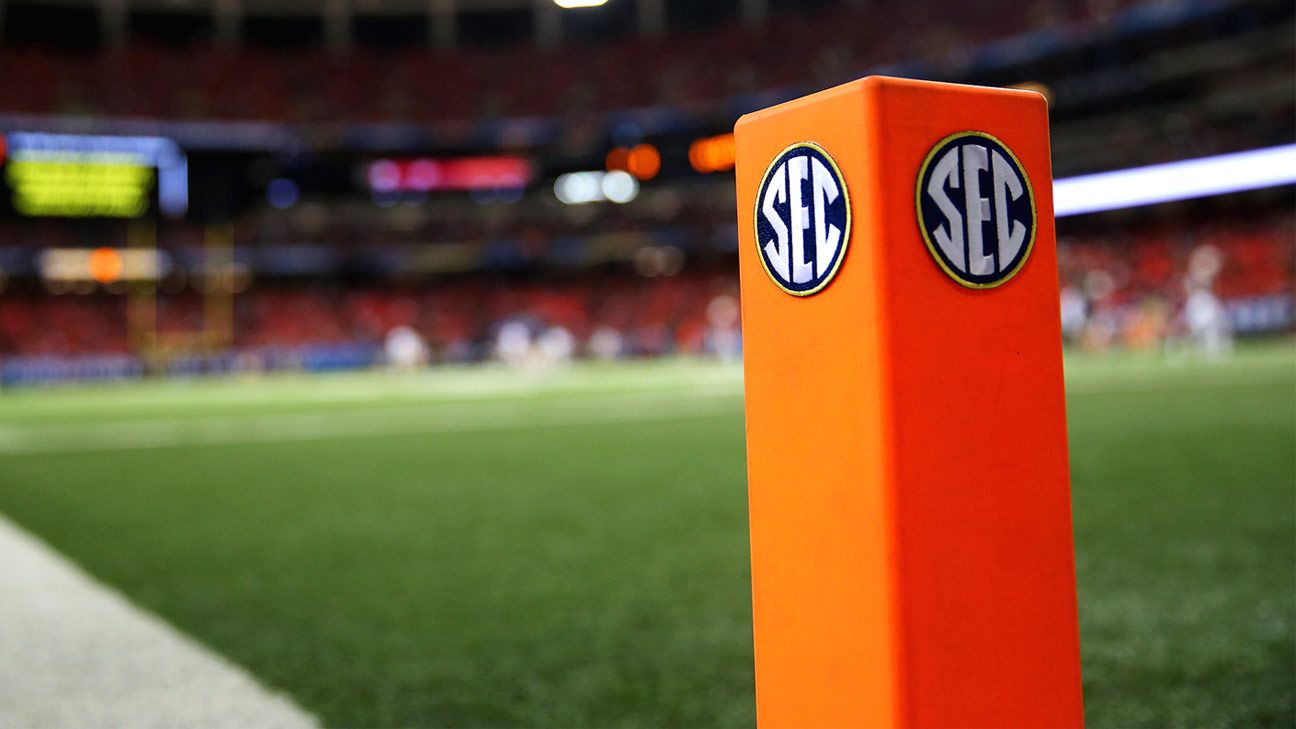
The SEC has drawn a clean, stubborn line
Tennessee chancellor Donde Plowman, who sits atop the SEC’s executive committee, says the league is not inclined to bend on one of college sports’ stranger modern prohibitions: an NFL player cannot simply walk back through the turnstile and reclaim his college eligibility. The message, delivered with unusual firmness, lands like a closed door in a sport that has spent the better part of a decade prying open every other one.
This is not a story about one athlete, really. It is a story about control — who gets it, who loses it, and who bears the cost when the machinery of college football decides that a line is a line, even if the line feels archaic in an era when players transfer, reclassify, opt out, and reshuffle rosters with dizzying speed. The SEC, for now, is choosing continuity over flexibility.
The league is protecting a rule that looks sturdier on paper than it does in the age of player empowerment.
What the rule is really guarding
The SEC’s stance is rooted in a plain but consequential idea: once you enter the NFL, you have crossed a professional threshold that college football does not intend to blur. The logic has long been that the amateur and professional games should remain separate, even as the walls between them have been chipped, drilled, and, in some cases, blown out.
That separation has become harder to defend as college athletics has evolved into a marketplace. Players now navigate name, image and likeness opportunities, transfer portals, conference realignment, and a recruiting culture that resembles an auction house with cleats. Yet the league’s reluctance here suggests that not every old rule is on the chopping block. Some institutions change quickly. Others cling to the last fixed point they can find.
The SEC is one of the most powerful bodies in sports, and power likes precedent. If the league gives ground on this issue, it may invite questions about where the line truly lives. If an NFL stint does not permanently close the college door, then what does? A practice squad? A training camp tryout? A short-lived retirement? At some point, the rule is not merely about eligibility. It is about the identity of the sport itself.
Why Tennessee’s position matters beyond Knoxville
Plowman’s voice matters because Tennessee is not some spectator in this debate. The school is an anchor in the conference’s power structure, and the SEC executive committee does not move like a group accustomed to being pushed. When an administrator at that level says the league won’t budge, it signals that the resistance is institutional, not emotional.
That makes this bigger than a hypothetical roster loophole. It touches coaches, compliance staffs, and players who might otherwise imagine a rare second act. It also affects the broader conversation around labor in college sports, where the language of opportunity and fairness often collides with the bureaucracy of eligibility. The college game has spent years telling athletes they can profit, transfer, and market themselves. But on this matter, the message appears to be: not so fast.
For a useful contrast, look at how quickly college football has adapted in other areas. The transfer portal became a yearly reset button. The NCAA’s amateur model is now a patchwork quilt held together by legal pressure and institutional compromise. Yet on this rule, the SEC seems willing to stand its ground. That tells you the league sees a symbolic danger here, not just a procedural one.
The tension is easy to understand. If a player reaches the NFL and then returns to campus, college football gains a strange new category of participant — part alumnus, part employee, part returning celebrity. That might thrill some fan bases. It would also complicate recruiting and player development in ways the sport has barely begun to measure.
My read: the SEC is defending the last fence
I’ve spent long enough around college athletics to recognize a defensive posture when I see one. This is not simply about eligibility mechanics. It is about institutional memory, and institutions are notoriously reluctant to admit when their boundaries are dated. The SEC has spent the modern era acting like a cathedral with an ongoing renovation budget: new revenue streams, new media deals, new recruiting realities, all while insisting the old stone still matters.
This rule may survive because it serves a psychological purpose. It tells everyone that college football remains its own kingdom, not a waiting room for the pros and not a revolving door for careers that have already crossed over. The problem, of course, is that the rest of the sport has already started using a revolving door. The NCAA’s credibility has been eroded not by one dramatic collapse but by a thousand small exceptions, each one defended as necessary until the exceptions became the rule.
I suspect the SEC understands that. It is not blind. It is wary. And perhaps that is the point. The league knows that if it yields here, it is not merely revising a policy — it is acknowledging that the old map no longer matches the terrain. That is a painful admission for any powerful conference, especially one built on tradition and self-regard in equal measure.
The next fight will be about leverage
For players, the practical effect is clear: once the NFL door opens, the college door stays shut. For schools, the issue is less immediate but no less important, because every eligibility rule shapes how coaches build depth charts and how administrators police the edges of the sport. For the SEC, maintaining the rule preserves clarity, even if it also preserves a bit of stubbornness.
This conversation will not end here. It rarely does in college sports, where every hard line eventually meets a lawsuit, a policy workaround, or a public relations storm. But for now, the SEC has chosen to stand still while the rest of the landscape keeps moving.
That may buy the league time. It will not buy it peace.
And if the pressure keeps building, the same conference that says it will not budge may someday discover that the ground beneath it has already shifted.
More from Straight From The Bench
Comments
Join the conversation — sign in to leave a comment.
Sign in to commentRelated Stories

Aaron Donald Injury Update: Week 2 or 3 Debut Looks Likely
Aaron Donald’s return looks more like Week 2 or 3 than an opening-night walk-on. That’s bad news for everybody in the NFC West, especially San Francisco.

Joey Porter Jr. Contract Update: Steelers CB Hints at Week 1 Holdout
Joey Porter Jr. has put the Steelers on notice. If a new deal isn’t done before Week 1, the cornerback isn’t promising to be out there.
Tony Romo Alcohol Admission: Cowboys Legend Faces Hard Truth
Romo’s admission lands with more weight than a tabloid stumble. It’s a grim reminder of what pain can leave behind long after the stadium lights go out.