
Garrett Clark Callaway Ad Apology: Good Good Golf Fallout
The brand damage is real, and this one goes way past a bad commercial.
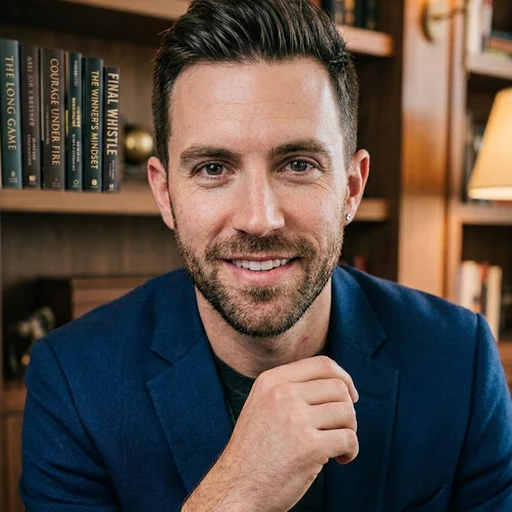 Zane Miller6 min read
Good Good Golf has been living inside a mess it did not need, and Garrett Clark’s apology only confirms how ugly this one got. A co-founder of one of golf’s most visible creator brands is now trying to put the fire out after a controversial Callaway ad crossed a line that was obvious to just about everyone watching. The clip, featuring Clark pushing over a woman who tried to touch his driver, landed with the kind of instant backlash modern sports marketing executives dread. Callaway reportedly cut ties. That tells you plenty.
This is not a goofy internet misunderstanding. This is a brand problem, a sponsor problem, and a trust problem all at once.
The apology doesn’t erase the damage
Clark said he does not support domestic violence abuse or anything like it. Good. Necessary, even. But apologies in 2026 are not judged by tone alone. They are judged by the sequence: what ran, who approved it, how fast the response came, and whether the people holding the checkbook still believe the partnership can survive.
The ad itself was the issue. Not the fallout. The imagery did the damage first.
And once a brand gets tagged with a piece of content that evokes abuse, the cleanup is brutal. Golf has spent years trying to widen its audience beyond country-club stereotypes. Creator golf has helped a lot with that. Younger viewers, casual fans, social-first distribution — that’s the Good Good playbook. But the same internet that makes a creator brand scalable can turn on it faster than a tour stop gets rained out.
That’s the new reality. If you build your reach on personality, your personality becomes the product. And when the product stumbles, the sponsors don’t wait around to see if the comments calm down.
Callaway’s move tells the real story
Callaway cutting ties is the loudest signal here. Big equipment brands do not like uncertainty. They like clean alignment, clean messaging, and no stray headlines that force a risk review from every other partner in the pipeline.
This is where the golf business gets interesting. Good Good has real influence. The audience is young, sticky, and active. That matters. It is the kind of audience traditional golf has spent decades trying to win back from screens, feeds, and fragmentation. But influence cuts both ways. If the content feels reckless, the commercial value drops fast because the sponsorship model depends on trust, not just impressions.
For Callaway, the math is simple: protect the brand, move on, and avoid letting one bad spot become a year-long liability. For Good Good, the math is uglier. They now have to reassure other partners that one clumsy creative decision does not define the entire operation.
If you want the bigger parallel, look at what happens in any sport-adjacent business when the face of the brand becomes the story instead of the golf clubs, sneakers, or apparel. Once that happens, everybody starts asking the same thing: is this a content company with sports flavor, or a sports company with content issues?
Why this hits harder in creator golf
Good Good is not operating like a traditional media property. It is more fragile than that. Its edge comes from authenticity, access, and a shared identity with fans who feel like they know the people on screen. That works until the audience decides a mistake reflects the values of the whole group.
That is the part executives hate most. One member’s bad judgment can contaminate the whole ecosystem. Not because every co-founder or collaborator agrees with it — they don’t — but because sponsors buy association. If the association gets messy, the line between individual behavior and company reputation disappears fast.
This is also why the apology had to be immediate and direct. Vague corporate language would have made it worse. Clark had to separate himself from the behavior, and he did. But the ad is already out there, clipped, reposted, dissected, and turned into a referendum on judgment.
The modern sports economy is unforgiving like that. A player can survive a bad game. A brand can survive a bad quarter. A creator can survive a cringe moment. But when the content taps into something as sensitive as domestic violence, the margin for recovery shrinks to almost nothing.
In creator sports, the worst mistake is not getting canceled. It’s making sponsors feel stupid for betting on you.
What this means for the sponsor market
This is where the executives start leaning forward. The creator-golf lane has been one of the cleaner crossover plays in sports media: lower overhead than a traditional network model, younger audience than a lot of established platforms, and enough personality to move product. That is why names like Callaway Golf care so much about who they attach to.
The problem is that creator brands often move like startups while carrying the liability of established media. One misfire can trigger a chain reaction: paused campaigns, extra legal review, nervous partners, and a public apology that has to do the heavy lifting.
I’ve seen this movie before in different forms. The names change, the sport changes, the logo changes. The script does not. A brand grows fast because it feels raw and unfiltered. Then it gets big enough that the same rawness starts costing real money. That is the pivot Good Good is staring at right now.
And if you think this is isolated, it’s not. The entire sports-content market is moving toward accountability because advertisers have too many options and too little patience. One bad spot can send a message to every other deal on the board: we are not absorbing chaos for free.
The next few weeks will tell us everything
The key question is not whether Clark can apologize. He already did. The question is whether Good Good can convince the market that the brand still knows where the line is.
Watch the follow-through. Watch whether other partners stay quiet, distance themselves, or use the moment to demand tighter approval on future content. Watch whether Good Good adjusts how aggressively it plays into shock value, especially in ad reads and sponsored skits. That part matters. The audience can smell fake sincerity a mile away.
My read: the smart move now is less noise, tighter guardrails, and a harder reset on creative approval. The creator world loves improvisation. Sponsors love predictability. Those two things can coexist, but only if somebody in the room is willing to say no before the camera rolls.
Good Good still has a real platform. No one should pretend otherwise. But this is a reminder that reach does not protect you from consequence. It just makes the consequence travel faster.
The next post, the next sponsor note, the next public move — that is where this story either gets contained or keeps spreading.
More from Straight From The Bench
Comments
Join the conversation — sign in to leave a comment.
Sign in to commentRelated Stories
Scottie Scheffler Tour Championship changes: match-play shift hits East Lake
Scheffler is staring at a Tour Championship where the old math no longer protects the points leader. East Lake is about to reward the hottest stick, not the steadiest season.
Josh Jacobs Charged: Packers RB Faces Discipline Risk
Josh Jacobs now has misdemeanor charges hanging over him after a Wisconsin arrest, and the [NFL](https://www.nfl.com) could decide the football side from the personal conduct side.
Connor Hellebuyck Trade Rumors: Jets Goalie Requests Exit
Connor Hellebuyck’s trade request changes the temperature around Winnipeg overnight. The league’s best goalies rarely become movable pieces, and when they do, the ripple reaches far beyond one locker