
Scottie Scheffler Tour Championship changes: match-play shift hits East Lake
The FedEx Cup leader just got a format curveball before golf’s biggest pressure test.
 Zane Miller5 min read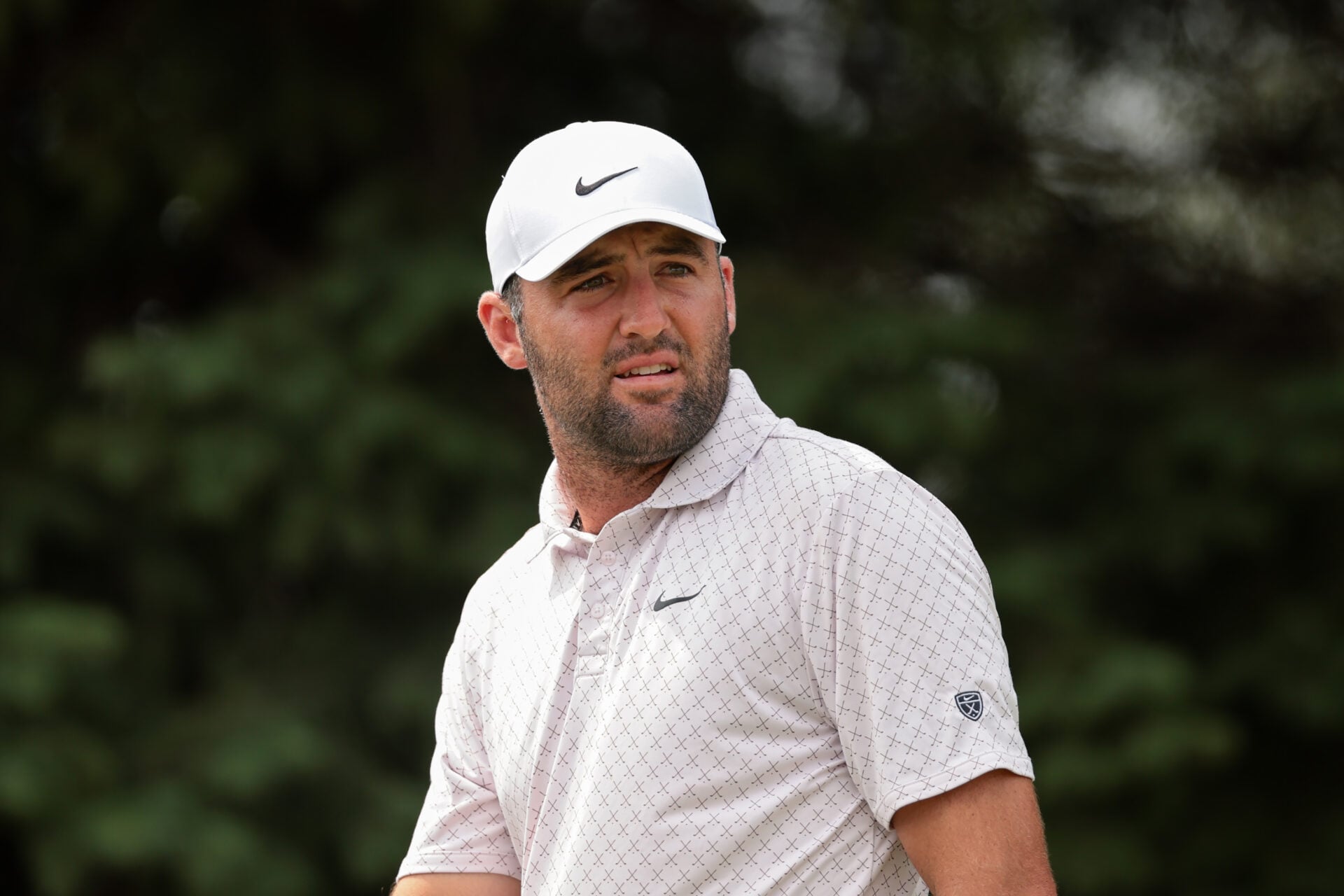
Scottie Scheffler rolled into East Lake as the FedEx Cup points leader, which used to mean something clean, simple, and comforting. Not anymore. The Tour Championship is headed for a format change in 2028, and Scheffler’s response landed exactly where you’d expect from a guy who’s spent most of the last two years treating the sport like a solved problem: measured, a little bemused, and very aware that golf keeps tinkering with ways to make its biggest stage feel more dramatic.
That’s the story here. Not outrage. Not a tantrum. Just a top player acknowledging that the PGA Tour is once again trying to re-engineer its postseason while the rest of the ecosystem keeps asking the same question: are we rewarding season-long excellence, or are we chasing television heat?
East Lake is about to become a different kind of pressure test
The old FedEx Cup setup at East Lake gave the points leader a built-in edge. Lead the season, and the postseason started with a cushion. That structure was clunky, sure, but it made a clear promise: the guy who performed best all year had a runway into the finale.
The new plan strips that away. Whoever wins the Tour Championship will take home the FedEx Cup crown, which is a cleaner race on paper and a much louder one on Sunday afternoon. That’s great for tension. It’s also a subtle shot at the idea that the marathon mattered more than the sprint.
Scheffler sitting atop the points list and still hearing, essentially, “good luck, now beat everybody again,” is the perfect symbol of this shift. It’s not unfair in the literal sense. It just changes the bargain. The PGA Tour is telling players that the season matters less than the finish line spectacle. Executives love that sentence until they have to explain it to the guy who was the best player all year.
Scheffler’s reaction says plenty about where the Tour is headed
The most revealing part of this is how calm Scheffler sounds about it. He’s not the type to posture like a policy wonk, and he doesn’t need to be. His game travels. His resume travels. He’s the rare player who can handle whatever scoring model, course setup, or playoff wrinkle gets thrown in front of him.
That’s why his view carries weight. When the best player in the sport says a change feels “a bit unusual,” it’s not a complaint. It’s a signal. The players know the Tour is trying to squeeze more juice out of a product that already has a trust problem with its audience. And if you think the locker room is thrilled about rewriting the finish of the postseason while the points race is still active, I’ve got a clean fairway lie on the moon for you.
This is also the reality of modern golf: the same tour trying to preserve tradition is constantly auditioning new incentives. Shortened formats. Shotgun starts. Team concepts. Now this. The calendar keeps shifting because the business keeps demanding something sharper, simpler, easier to sell in a two-hour window.
Why the points leader losing protection changes the market
Here’s the part front offices, sponsors, and agents all understand instantly. A postseason that crowns the hottest player that week is easier to market, but it also makes the regular season a little less bankable. If the points leader no longer gets a meaningful edge, then accumulating wins and consistency becomes less valuable in the only place casual fans remember.
That matters for the broader Tour product. Golf already fights an attention-span battle against every other major sport on the calendar. If the reward structure gets too loose, you risk making the first five months feel like a warmup for a coin-flip finale. If it stays too rigid, the last week can feel predetermined. That’s the jam the PGA Tour has been trying to butter for years.
The PGA Tour keeps chasing the sweet spot: enough meritocracy to satisfy the players, enough chaos to keep the TV audience leaning in. But you can’t pretend those goals always align. They usually don’t.
The more the Tour tries to manufacture a dramatic finish, the more it admits the old finish wasn’t dramatic enough.
My read: Scheffler can handle it, but the system keeps chasing itself
I’ve covered enough of these format tweaks to know the pattern. The sport announces a “better” way to crown a champion, then spends the next few years explaining why the old way had merit too. Golf is especially addicted to this loop because it wants both the purity of individual performance and the frictionless thrill of sudden-death theater.
Scheffler, though, is the wrong player to use as a cautionary tale. If anything, he’s the best argument for the new setup surviving scrutiny. He’s so complete, so steady, so immune to weird scoring architecture that he can walk into East Lake under almost any rules and still look like the favorite. That’s why his comments matter less as criticism and more as calibration. If the best player in the field is calling the change unusual rather than broken, the Tour will take that as a win.
But the bigger picture is still messy. The PGA Tour is making a choice here: chase the cleanest possible finish, even if it blurs the value of the season-long race. That’s a business decision dressed up as competitive reform. And every business decision in golf eventually has to answer to players who know exactly how much a win, a bonus, and a legacy can shift in one round.
If East Lake is going to crown the champion by pure winner-take-all drama, then every shot matters more and less at the same time. That’s the modern golf bargain.
Scheffler will probably be fine. The question is whether the Tour Championship is becoming easier to sell while getting harder to defend.
More from Straight From The Bench
Comments
Join the conversation — sign in to leave a comment.
Sign in to commentRelated Stories
Julian Alvarez transfer news: Arsenal emerge as only exit
Julian Alvarez is absent from Atletico training after being told Barcelona are out. That leaves Arsenal as the lone serious escape hatch.

Kinley Rasmus Little League World Series records: Phenix City star
Kinley Rasmus is turning heads at the 2026 Little League World Series with record-setting play and real two-way impact. The Rasmus name still travels, but this one’s earning its own stamps.

NFL Pro Bowl Changes: No More Standalone Game
The Pro Bowl’s standalone era is over, and the league’s long, awkward flirtation with exhibition football is officially out of excuses. What replaces it says plenty about what fans will — and won’t —