
Giants Claim Philip Abner: Why the Waiver Pickup Matters
A small transaction on paper, but a revealing one for a club hunting usable innings.
 Beatrice Kensington6 min read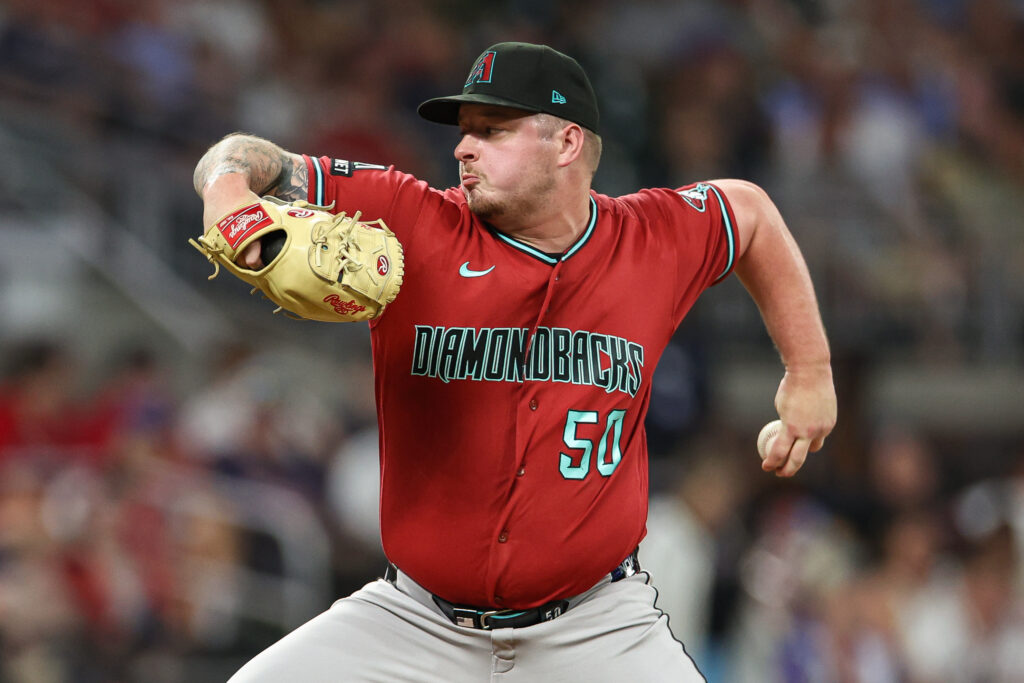
The San Francisco Giants did not make a trumpet-blast move here, and that is precisely why it deserves a second look. Claiming left-hander Philip Abner off waivers from the Arizona Diamondbacks and sending him to Triple-A Sacramento is the sort of transaction that vanishes under louder headlines, yet it speaks plainly about how clubs survive the long middle of a season. Arms are currency. Lefties, especially, are the coins that keep changing pockets.
Abner arrives as a depth piece, not a headline. Still, depth pieces can become useful men in a hurry when the calendar turns cruel and the bullpen leans toward the overworked and the ordinary. San Francisco is not just filling a locker; it is buying itself another look at a left-handed pitcher who was available for the price of a waiver claim and a bit of patience. That is often how roster construction really works. Not in grand design. In scavenged value.
A low-cost claim with a very specific purpose
The Giants’ move is best understood in the language front offices prefer but fans rarely hear: optionality. Abner can go to Sacramento, settle into a developmental rhythm, and sit one phone call away from Oracle Park when the need arises. In a season where innings get strained and relievers are asked to cover for one another like neighbors during a blackout, that matters.
A waiver claim from a division rival also carries a certain quiet practical sting. The Diamondbacks had enough reason to move on; the Giants had enough curiosity to step in. Neither club is pretending this is a franchise-altering acquisition. Yet these are the transactions that often separate stable staffs from frayed ones. If Abner finds a usable breaking ball or enough fastball command to neutralize left-handed bats, the waiver wire will suddenly look wise in retrospect. If he does not, the cost remains almost comically small.
For a club balancing present pursuit and future planning, that is a sensible bet. It echoes a broader pattern around the league, where teams continuously cycle through arms the way old cities rotate street names—looking for something that still answers to the pressure of traffic.
Why the Giants keep reaching for pitching depth
San Francisco has lived for years with a simple truth: no pitching staff survives on pedigree alone. The Giants have had their share of famous arms and headline names, but the daily work of a season is done by pitchers whose surnames only become familiar after they have already earned trust. A claim like this fits that culture. It is managerial pragmatism in its plainest form.
It also reflects how modern baseball has thinned the line between the active roster and the far side of the farm. A left-hander in Triple-A is not merely a prospect in waiting. He is emergency innings, matchup insurance, and sometimes a clue about what the next month will demand. The Giants, like every club chasing a postseason-shaped opening, know that a bullpen can be undone not by a single collapse but by the accumulation of small absences. One sore elbow. One tired shoulder. One reliever who simply cannot find the zone for three weeks.
In baseball, the quietest roster moves are often the ones that tell you what a team fears.
That is the shadow behind this claim. Not fear in the theatrical sense. Fear in the professional sense. The fear of running out of answers before the schedule runs out of games.
What Abner’s arrival says about the market for lefties
There is a reason left-handed depth always feels more precious than the box score suggests. Left-handed pitchers are evaluated with a different kind of hunger because they can alter matchups in ways right-handers simply cannot. One competent lefty can change the shape of a late inning. Two can save a manager from overcommitting to a single bridge pattern.
That is why the waiver market is crowded with teams trying to collect a little leverage wherever it appears. Abner’s name may not stir national attention, but the role he might fill is familiar enough. He becomes part of the invisible labor that keeps a bullpen from being overexposed. If he can hold his own in Sacramento, the Giants will have a live option when September begins to squeeze every roster spot into importance.
This is also the kind of move that resonates with fans who understand that not every upgrade comes wrapped in a press conference. Sometimes a team gets better by making itself harder to break.
Beatrice Kensington: the romance of the unglamorous move
I have always had a soft spot for these acquisitions, the ones that look almost embarrassingly modest in the cold light of transaction wire language. Baseball has a way of turning the unremarkable into necessity. A left-hander claimed off waivers in July can become the pitcher who protects a one-run lead in August, and from there the memory of how he arrived begins to feel quaint, almost beside the point.
That is the romance of roster building in its most honest form. Not stars, though stars matter. Not slogans, though clubs love those too. The romance lies in finding a tool that still has a blade. It is a deeply American baseball idea, really: a willingness to keep looking in the bargain bin because the season is too long to pretend only premium goods matter.
And for San Francisco, there is another layer. The Giants have spent enough recent seasons straddling hope and uncertainty to know that survival is often purchased in pieces. A waiver claim here. A bullpen shuttle there. A Triple-A assignment today that may become a crucial big-league inning tomorrow. The club is not announcing a new era. It is building a bridge one plank at a time.
Sacramento now, Oracle Park later?
The immediate assignment for Abner is obvious: report to Triple-A Sacramento and give the Giants something to evaluate without pressure. That is where these moves either gather momentum or fade into footnote status. Command, velocity, and how a pitcher handles traffic on the bases will matter far more than the transaction itself.
For San Francisco, the real test is whether this claim becomes the first step in a useful chain reaction. If Abner stabilizes, the Giants gain another lever. If he doesn’t, the roster cost is almost nonexistent. That is what makes the move so shrewdly ordinary.
The season grinds on, and the small bets keep adding up. One of them just landed in orange and black.
More from Straight From The Bench
Comments
Join the conversation — sign in to leave a comment.
Sign in to commentRelated Stories
Seattle Mariners Loss: Fan Reactions After 22-0 Brewers Rout
A 22-0 demolition left Mariners fans stunned, then laughing. The subreddit response says as much about modern fandom as the box score does.
Braves Six-Man Rotation: AJ Smith-Shawver Joins the Staff
The Braves are stretching the rotation to make room for AJ Smith-Shawver, a small roster move with bigger consequences. It is a reminder that October habits are being built now.
Padres coach detention update: Oswaldo Pirela faces removal
The Padres are now dealing with more than roster churn. Oswaldo Pirela’s detention at El Paso puts the club in the middle of a far bigger conversation.