
Good Good Golf CEO and President Out in Advertisement Firestorm
The golf brand’s polish problem just got a whole lot messier.
 Beatrice Kensington4 min read
A brand built on charisma just hit a hard wall
Good Good Golf was never merely a golf company. It was a social-media machine, a lifestyle pitch, a clubhouse built for the scroll age, where baggy shorts and high-energy camaraderie sold as much as swing mechanics. That makes the news that CEO Matt Kendrick and president Joe Flannery are out all the more consequential. When a company sells personality as its product, leadership turmoil is never just an internal matter; it is part of the brand story now.
Nahid Giga stepping in as interim CEO signals an attempt to steady the floorboards while the walls are still shaking. The message is plain enough. The people steering the ship in the middle of this advertisement firestorm are out, and the business is trying to convince the public that the vessel can still stay on course.
The ad controversy exposed the risk behind the cool-kid image
This is the peril of modern sports-adjacent branding: the same looseness that makes a company feel fresh can also make it feel flimsy when scrutiny arrives. Good Good Golf has traded in accessibility, friendship, and a wink of irreverence. Those qualities build loyalty fast. They also leave little margin for error when an ad campaign, a sponsorship decision, or a public-facing partnership draws backlash.
The broader lesson is not unique to golf, though golf has its own brittle traditions to wrestle with. The sport has spent decades trying to widen its gates, to look less like a locked gatehouse and more like a front porch. Brands like Good Good helped push that open, bringing in younger fans who consume the game through phone screens and personality-driven content. But once that audience sees a company stumble, the same intimacy that once felt inviting can start to feel like exposure.
If you want the larger ecosystem picture, it is this: the modern golf economy is no longer just about clubs, courses, and apparel. It is about identity. And identity, once strained, can bleed revenue quickly.
In the creator economy, reputation is not an accessory. It is the whole machine.
Nahid Giga inherits a company that needs more than a clean headline
An interim appointment is a bridge, not a destination. Giga’s first job is not to win the internet; it is to calm the water long enough for employees, sponsors, and partners to believe there is still a map. That is harder than it sounds. When leadership exits arrive in the middle of a public controversy, every silence becomes a story and every delay becomes a suspicion.
This is where companies often reveal whether they were built on systems or on personalities. Systems absorb shocks. Personalities amplify them. Good Good Golf has thrived because its founders and visible executives projected a certain clubhouse ease, but charm is not governance. The next president and CEO, to borrow the blunt wisdom of the moment, will have to be better better — steadier, more disciplined, less seduced by the glow of the brand’s own reflection.
And for the people inside the company, this is no abstract theory. Marketing staff, creators, sales teams, and partnership managers are the ones left to answer the phone when sponsors get nervous. They are the ones who must convert a company crisis into a survivable quarter.
Golf’s new media age keeps testing the line between access and credibility
There is a familiar pattern here, one the sports world has seen before in different clothes. In the old days, the pressure point was ownership, labor, or scandal at the league level. Now the fault lines often run through the influencer-led businesses orbiting the sport, where a brand can grow faster than its adult supervision. The game’s digital renaissance has given golf more reach and a younger language, but it has also made the ecosystem more vulnerable to self-inflicted embarrassments.
That is why this matters beyond one company. Good Good Golf sits at the crossroads of content, commerce, and culture, a space where PGA Tour tradition and internet-native marketing keep bumping shoulders. When one of these brands stumbles, it does not simply embarrass a logo. It dents the credibility of the whole model.
I have long believed the sports world underrates how much trust matters in the age of constant content. Not hype. Not engagement. Trust. The old gatekeepers were often smug, but at least their failures came with institutional gravity. Today’s sports brands can look wonderfully agile right up until the moment they discover that momentum is not the same thing as legitimacy. Good Good Golf is learning that lesson in public, and public lessons tend to be expensive.
The other thing worth watching is whether this shake-up marks a genuine reset or just a change of faces. If it is the latter, the fallout will linger. If it is the former, the company has a chance to prove that a digital sports brand can survive its own adolescence. That is a live question now, not a theoretical one.
The next move will tell us whether this is a stumble or a reckoning. The difference matters.
More from Straight From The Bench
Comments
Join the conversation — sign in to leave a comment.
Sign in to commentRelated Stories

Tiger Woods DUI Plea Deal: Five-Year License Suspension
Tiger Woods cut a plea deal in his DUI case, landing a lesser charge and a five-year license suspension. The name still sells tickets, but the headline is all trouble.
Tiger Woods Reckless Driving Charge: What the Florida Case Means
Tiger Woods’ Florida court case is another reminder that celebrity does not soften consequence. The legend remains larger than the charges, but not above them.
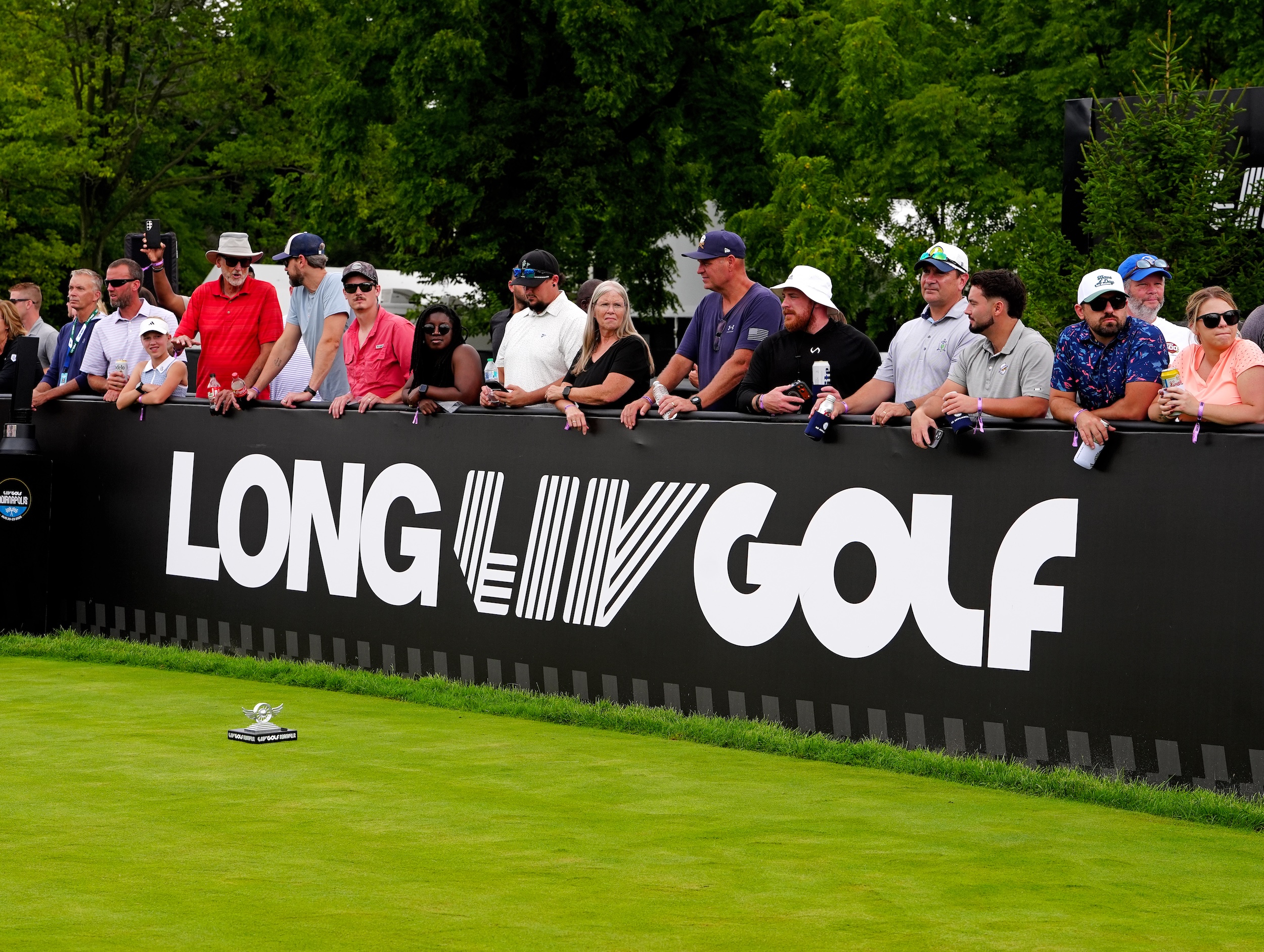
LIV Golf Bankruptcy Fallout: Players Caught in the Crossfire
LIV Golf’s latest maneuver says less about sports than about power: protect the brand, squeeze the roster, and call it strategy.