
LIV Golf Bankruptcy Fallout: Players Caught in the Crossfire
A league built on money is now asking its own golfers to absorb the pain.
 Beatrice Kensington7 min read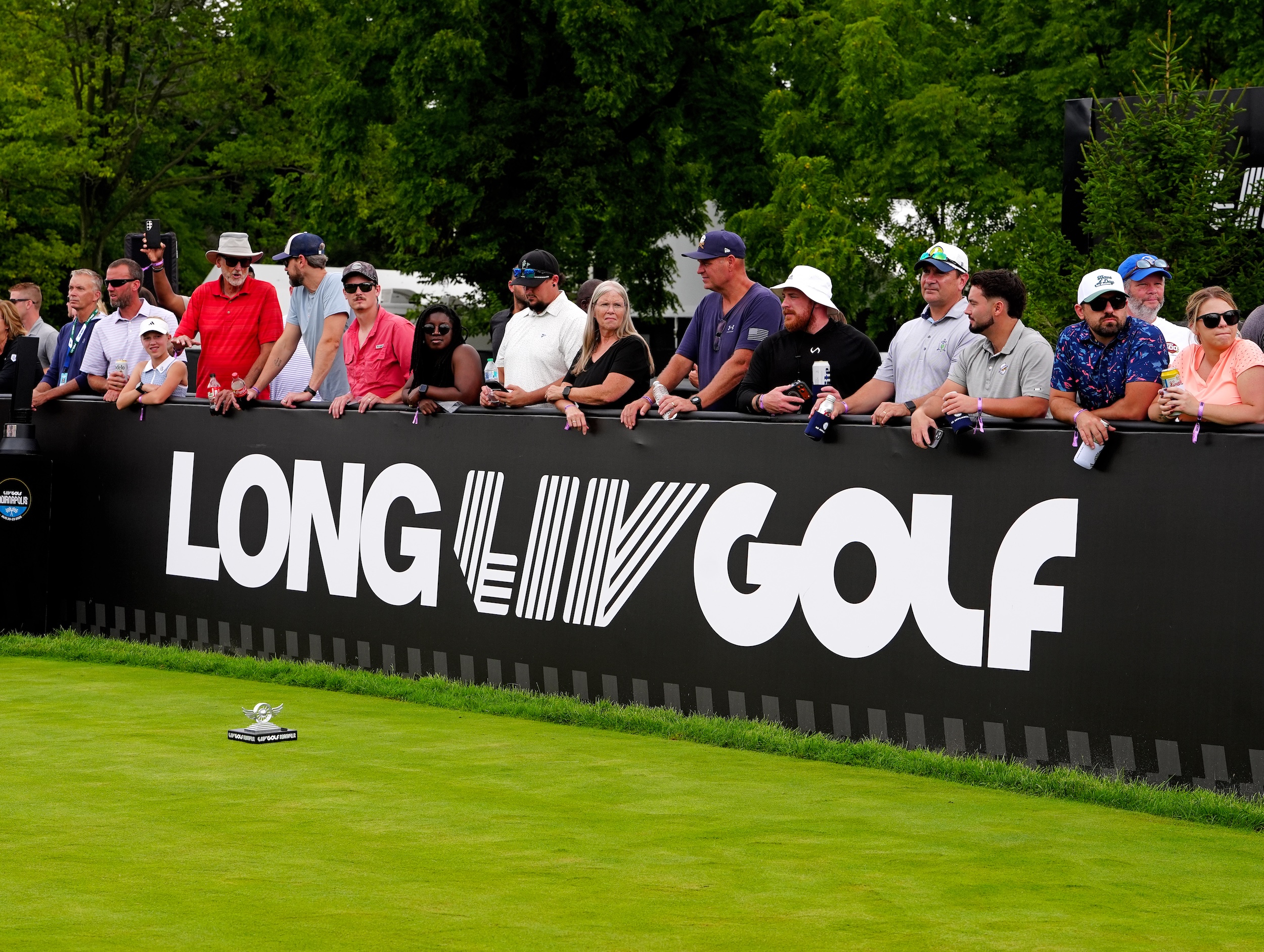
LIV Golf has spent years selling itself as a rebellion, a glossy break from the old order, a place where the game would be liberated from the iron logic of tradition. Now, in the cold arithmetic of bankruptcy, it appears willing to test whether its own players can be made to pay for the dream’s bookkeeping mistakes. That is not innovation. That is a bill arriving late, with interest.
The strange, brittle thing about LIV is that it always looked like a tournament product and a political instrument at the same time. It was financed like a vault, staged like a festival, and defended like a cause. Yet the moment the scaffolding starts to wobble, the people standing closest to the stage are not the executives or the sovereign backers or the lawyers with immaculate cufflinks. It is the golfers — the men who were recruited with promises of certainty, guaranteed pay, and a cleaner future — who may find themselves staring at the fine print.
A league built on certainty now manufactures doubt
For years, LIV Golf sold its players on a simple proposition: come here and the money will be sturdier, the travel lighter, the public argument quieter. It was a seductive pitch in a sport that has always wrapped labor in the language of merit while leaving players to navigate the marketplace with their own instincts and fear. The promise was stability. The promise was insulation. The promise was that the money was too large, and the backers too deep, for ordinary fragility to matter.
That is the bargain now under pressure. If a sports league’s defining feature is that it can casually absorb giant losses because someone else is footing the check, then bankruptcy is not merely a legal event. It is an admission that the original story was never as solid as advertised. The shine dulls quickly when the cash stops behaving like mythology.
And so the golfers sit in a familiar but uncomfortable place: rich by any normal standard, but exposed in a way most people never see from the outside. They chose the deal that looked safest. They may discover, instead, that they chose the one most dependent on the mood of distant power.
LIV’s great promise was security. Its great risk was always dependence.
The players are the brand, and that is the trap
This is where LIV’s architecture reveals its weakness. A conventional league has institutions that outlast a bad season: collective bargaining, media rights, deep fan attachment, a history that can survive embarrassment. LIV has had to build identity around personalities and purses. That works beautifully when the money is flowing and the spectacle is new. It works less well when the questions turn judicial, contractual, and political.
The players themselves were used as proof of concept. Name the stars, show the shotgun start, emphasize the check. The league’s argument was not about a deep cultural inheritance; it was about immediate cash and a different rhythm of competition. The problem with constructing a league around financial abundance is that abundance is not a sport. It is a condition. And conditions change.
That is why any attempt to shove the burden downhill, onto the roster, feels so revealing. If the people who were asked to lend the project credibility are now expected to absorb the fallout, then the league’s ethical center was always thinner than its promotional language suggested. It becomes a portrait of modern sports finance at its ugliest: private upside, distributed pain.
For those who follow golf’s increasingly strange split universe, this matters beyond one company’s distress. The PGA Tour has spent the better part of this era looking at LIV as both rival and cautionary tale. The difference was never merely about format or shotguns or the number of holes in a round. It was about governance, legitimacy, and whether money can outrun accountability. The answer, here, appears to be no.
What this means for golf’s uneasy peace
Golf has been living through a civil war dressed as a business dispute. Players migrated, critics decried, traditionalists fumed, and fans — many of them — kept watching the old majors, the old names, the old rituals of spring and summer. LIV’s arrival did not destroy golf’s center of gravity. It did, however, expose how much of the sport’s power structure had been held together by habit.
Now the sport’s future is shaped by a more prosaic question: if LIV cannot protect the very players it paid to attract, what exactly remains of its claim to permanence? A league can survive being unpopular. It can even survive being ridiculed. What it struggles to survive is the loss of trust among the people whose labor gives it shape.
I keep coming back to the older cautionary tales in sports business, the ones where grand promises collapse under the weight of their own audacity. The uniforms stay bright for a while. The language stays confident. The executives keep speaking in the passive voice of disruption. But eventually the ledger speaks louder than the press release.
And yes, I think this is larger than golf. When a sports property built on vast money begins tightening the screws on the players who made it matter, it tells you something about modern ownership’s moral vocabulary. Loyalty is valued until it becomes expensive. Innovation is praised until it must be funded by the innovators.
I have spent long enough around ambitious sports projects to know that the first casualty is rarely the headline event. It is usually the human arrangement beneath it. The rank-and-file professional, the one who signed for the future and woke up with a different present. The fan sees the logo. The player sees the clause.
The real issue is who gets to carry the cost
There is a reason this feels sharper than a normal financial restructuring story. LIV was never merely another startup with overreaching ambitions. It entered the sport as a challenge to the moral hierarchy of golf itself, mocking the old establishment while insisting it could create something more generous, more modern, more humane.
If the response to trouble is to push the discomfort onto the players, then the league has revealed the oldest truth in the book: institutions talk most loudly about values when they can afford to. The ledger strips the rhetoric away.
That is why the next phase is so fraught. Golfers, agents, sponsors, and the legal machinery around them will all be watching not just for solvency but for character. There is a difference. A company can patch a balance sheet. It is harder to repair the memory of who got squeezed when the money got tight.
For readers tracking the broader sports ecosystem, the same pressure that now haunts LIV also animates every conversation about labor, compensation, and leverage. If you want a cleaner view of the sport’s wider money politics, our Fantasy Football 2026 rankings piece shows how quickly value can be assigned, repriced, and discarded once the market decides the story has changed. Different sport, same grammar.
And for those who remember the 2026 MLB playoff contenders debate about schedule, depth, and the burden placed on stars, the lesson travels well. Great sports systems are not built by asking the talent to bear the entire weight of institutional ambition. They are built when the institution can carry some of it too.
LIV has reached the part of the experiment where slogans stop working. What comes next will tell us whether it was a league at all, or only a very expensive argument. The golfers are waiting. The accountants are not.
More from Straight From The Bench
Comments
Join the conversation — sign in to leave a comment.
Sign in to commentRelated Stories
Tiger Woods DUI Case: No Contest Plea Closes Ugly Chapter
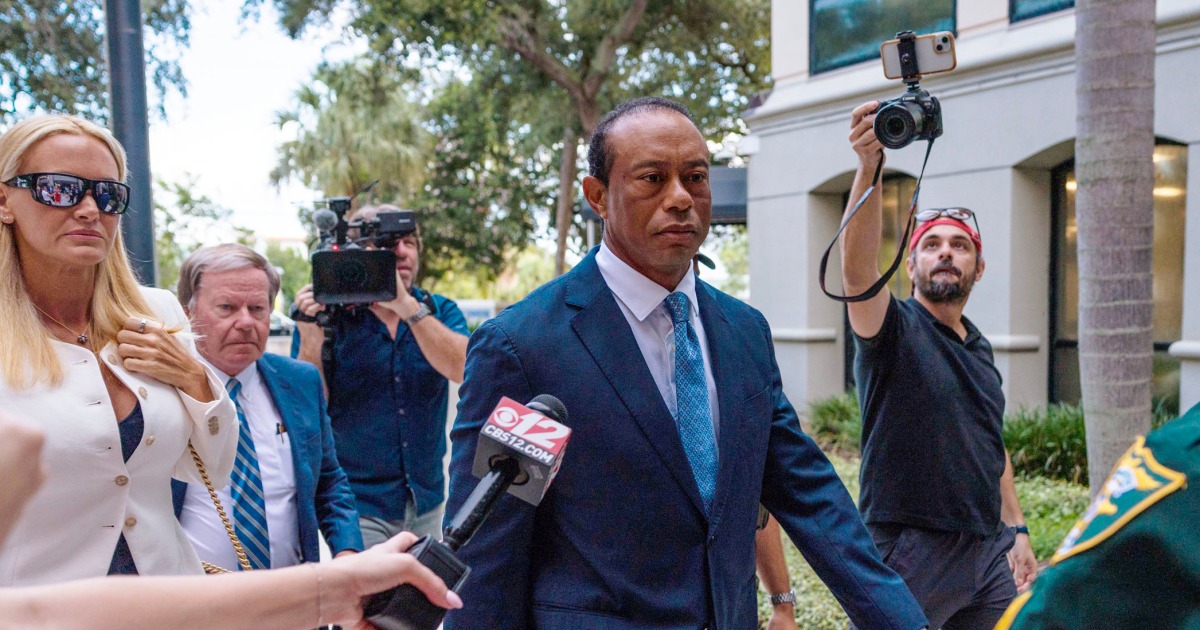
Tiger Woods took a plea deal in his DUI case after a crash near his Florida home. The golf legend’s latest off-course mess carries a heavier sting than the paperwork suggests.
Tiger Woods DUI Case: Change of Plea Hearing in Florida
Tiger Woods is set to change his not guilty plea in his Florida DUI case. The golf icon’s off-course troubles just took another serious turn.

Tiger Woods DUI Case: Change of Plea Hearing in Florida
Tiger Woods is set for a change of plea hearing in his Florida DUI case, a fresh reminder that fame doesn’t stop the handcuffs from clicking.