
Guardians vs White Sox ALDS Rosters: Opening Day Chess Match
Two clubs, one first postseason meeting, and a whole lot of small-ball nerve.
 Leo Lupo6 min read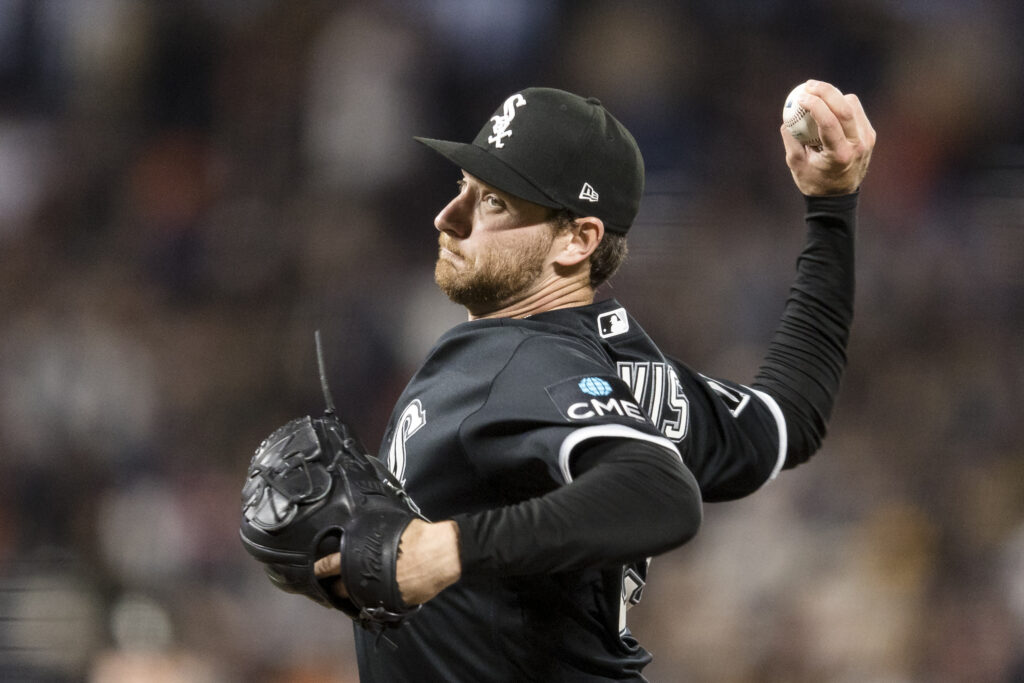
The paper says October. The baseball says nerves, matchups, and a hundred little lies managers tell themselves before first pitch. The Cleveland Guardians and Chicago White Sox have finally crossed paths in the postseason, 126 seasons into the family feud, and both clubs have brought their chosen 26-man bags to the altar. That’s the dance. Now we find out who packed enough pitching, enough guts, and enough answers when the game gets ugly.
The roster reveal always gets dressed up like a strategy session, and sure, it is that. But mostly it’s the baseball version of clearing your pockets at the airport: here’s who you trust, here’s who you don’t, and here’s the kid you’re hoping doesn’t flinch. Chicago has gone with Hagen Smith to start, or open, which tells you plenty about how skittish these modern October games have become. Cleveland, meanwhile, will do what Cleveland usually does — lean on structure, bullpen math, and the stubborn belief that one clean inning can snowball into three.
A first postseason meeting with some real neighborhood grease
There’s a little charm to this one, if you can stomach the division-rival grime. These teams know each other too well for anyone to pretend this is some neutral-field fairy tale. They’ve spent the season seeing the same jerseys, the same slide steps, the same dugout looks. Now the stakes go from August irritation to October memory-making.
And because this is the first postseason meeting between them, the series carries a certain awkward gravity. The American League Central has been a modest little fistfight for years, and this is the rare moment where the division’s old arguments actually mean something on a brighter stage. No one gets to hide behind unfamiliarity. No one gets to sell surprise. That’s either a blessing or a curse depending on whether your lineup can hit with the game tight around the throat.
Cleveland’s formula has always been plain enough to read from the cheap seats. Make contact. Win the margins. Keep the game in a shoebox. Chicago’s path is messier, which is to say more human. If the White Sox are going to make noise, they need the right starter usage, timely defense, and a lineup that doesn’t drift into the kind of lazy at-bats that turn October into a short walk home.
Hagen Smith opening says the White Sox are not pretending
Starting — or opening, if we’re keeping the terminology police busy — Hagen Smith is not the kind of move made by a club planning to coast through nine innings on autopilot. It’s a sign Chicago wants to control the shape of the game from the first out, not the first pitch. That’s not cowardice. It’s reality. October rewards clubs that admit what they are.
The danger, of course, is that opener plans can look sharp in a meeting room and sloppy in the fifth inning. Once you start stitching innings together with relievers and fresh arms and matchup cards, one bad walk can bring the whole thing apart. The White Sox don’t need perfection. They need the kind of crisp execution that keeps Cleveland from turning the game into a base-running seminar.
Cleveland has long made a living out of punishing teams that get cute. If the Guardians smell a bullpen relay with no room for error, they’ll stretch counts, foul off pitches, and wait for the other dugout to overthink itself into a mess. That’s why roster construction matters here more than the usual box-score chatter. This isn’t just about names. It’s about whether those names can survive the fourth inning without the whole thing wobbling.
Cleveland’s edge is the same old October edge: fewer mistakes
The Guardians don’t need to win pretty. They rarely have. They need to win the dirt-road way — tidy defense, enough on-base traffic, and a bullpen that doesn’t spill coffee on the carpet. That’s not romantic. It’s effective.
When Cleveland gets into October, the club usually carries an identity sharper than the opponent’s mood. They know what a bad inning looks like. They know how to survive one. That kind of institutional muscle matters against a team like Chicago, which is trying to stitch together a game plan that can withstand stress instead of just survive the lineup card.
If you want the historical parallel, think of all those tidy Cleveland clubs that never looked flashy but kept dragging opponents into the mud. They may not have the sizzle, but they have the gears. And in a short series, gears beat glitter more often than the TV guys want to admit.
October doesn’t care about your ceiling. It cares whether you can keep your shoes tied when the game starts leaning.
I’ve watched enough of these things to know the fancy prediction work usually dies in the third inning. The club that stays calm when the starter’s pitch count climbs, when a runner takes an extra base, when a call doesn’t go its way — that’s the club that usually lives to see another day. Cleveland has built a whole identity on not panicking. Chicago’s challenge is to show it can do the same without trying to invent a prettier version of itself.
The roster calls tell us who each side trusts most
This is the part people skip past, and they shouldn’t. Postseason rosters are blunt instruments. They tell you who’s healthy enough, who’s versatile enough, and who the staff believes won’t melt under the bright lights. If a player’s on the roster, the club thinks he can be used. If he’s not, the club either doesn’t trust the fit or couldn’t justify carrying the baggage.
For Cleveland, the likely emphasis is obvious: arms, range, and players who can survive in a series where every out feels priced like a steak dinner. For Chicago, the question is whether the mix can keep the game from tilting too early. If the White Sox can get through the first few innings without handing over free bases, they’ve got a shot to drag this into the kind of game where one swing or one misread decides the night.
That’s the real subplot here. Not the headlines. Not the uniform colors. Trust. The good teams in October are the ones whose roster decisions look almost boring by Game 1 because they’ve already done the hard thinking. The shaky ones are the clubs still explaining themselves while the game is slipping away.
What to watch once the lineup card stops talking
Watch the first time Chicago asks a reliever to bridge a messy inning. Watch whether Cleveland pressures the zone or sits back and waits for the White Sox to blink. Watch the benches too. In a division series like this, the managers don’t just pick pitchers. They pick moods.
And if the game turns tight, which it probably will because baseball enjoys making people earn their coffee, the cleaner defensive club usually gets the last laugh. Cleveland has spent years building for that sort of night. Chicago, through the opener and the roster shape, is trying to prove it can borrow enough of that discipline to steal one.
I wouldn’t call this a glamour series. Good. Glamour gets you magazine covers. October gets you scars. The Guardians and White Sox are finally meeting in the tournament they’ve spent more than a century circling, and the first thing both clubs have done is tell the truth about themselves. That’s not a bad start.
Now comes the part where somebody gets crowded, somebody gets stubborn, and somebody learns that clean roster sheets don’t win playoff games by themselves.
More from Straight From The Bench
Comments
Join the conversation — sign in to leave a comment.
Sign in to commentRelated Stories
Golden State Valkyries Coach Natalie Nakase Collapses During Playoffs
Natalie Nakase briefly collapsed midgame during the Valkyries’ playoff win over Dallas, turning a tense night into a far bigger one. The basketball mattered, but her health mattered more.
Yankees Aaron Judge Injury Update: ALDS Absence Changes Series
New York will open the ALDS without Aaron Judge, a gut punch that forces the Yankees to win a different kind of series. The Rays just got a very different road map.
Natalie Nakase Injury Scare: Valkyries Coach Collapses in Comeback
Golden State’s late surge was jolted by a frightening moment for Natalie Nakase, whose collapse cast a hard light over a charged postseason scene. The comeback mattered, but the coach’s health mattere