
Tom Kim Military Exemption: Asian Games Gold Changes Everything
A medal, a waiver, and a career that can finally breathe.
 Beatrice Kensington5 min read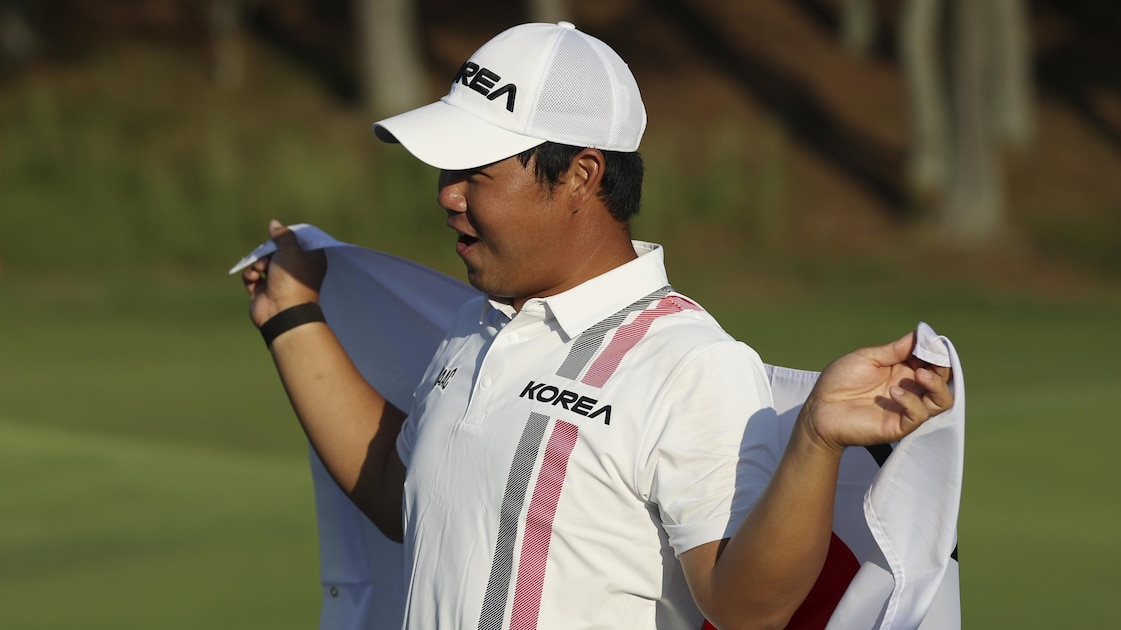
Tom Kim did not simply win a golf tournament. He stepped out of a national obligation that has shadowed countless South Korean athletes, and in doing so he altered the shape of his own career. Gold at the Asian Games brought him more than hardware; it delivered the exemption from mandatory military service that had hung over his profession like a low ceiling, always present, always pressing.
For a player with Tom Kim’s profile, that matters in ways the scorecard can’t quite capture. Golf is a sport built on continuity, on rhythm, on the slow accumulation of trust between a player and his swing, his caddie, his body, his nerve. Mandatory service interrupts all of that. It takes time, yes, but it also takes momentum, and momentum in golf is a delicate thing. It is a thread. Pull it too hard and the fabric never quite looks the same again.
The medal carried more than prestige
Kim’s gold did what elite sport in South Korea so often does at its sharpest edge: it joined personal ambition to national consequence. The exemption is not some side note tucked into the fine print. For athletes from a country where military duty is a civic fact of life, it can redraw an entire career arc. The difference between serving in one’s early or mid-20s and remaining on tour can be the difference between becoming a name and becoming a memory.
That is the quiet, brutal arithmetic beneath the celebration. Kim now gets to keep building. He gets to keep learning the cathedrals and backrooms of the PGA Tour, to keep collecting the tiny, expensive lessons that separate a promising player from a durable one. He can chase majors without the calendar looming over him like a verdict.
And make no mistake: this reverberates beyond him. South Korean golf has become one of the great pipelines in the men’s game, and every time a Korean player finds a way to remain in the professional stream, the whole system feels a little stronger. The message to the next wave is simple enough. Win enough, and you are not merely honored. You are unshackled.
A familiar burden in Korean sport
There is a reason these exemptions always land with such force. In South Korea, military service is not an abstraction or a ceremonial inconvenience. It is a real interruption to adult life, and for athletes whose careers depend on delicate physical prime years, it can feel like a toll exacted at the worst possible mile marker. The national team uniform can be both privilege and pressure.
We have seen this story before, most famously in football, where the stakes are amplified by the global clock. A star can survive a service window and return; many cannot return as the same player. Golf is not football, but the logic rhymes. The game punishes absence. It does not wait politely at the tee box.
That is why Kim’s result feels larger than a single victory lap. It gives him continuity in a sport that monetizes repetition and scars. It keeps his name in the conversation at a moment when names harden into brands, sponsorships, invitations, and the sort of competitive confidence that can only be built by staying in the fight.
In South Korean sport, gold is not only an honor. Sometimes it is a passport.
This also explains the emotional undertow around the result. There is pride, certainly, but there is relief too. Relief can look unglamorous from the outside, yet it is often the purest form of joy. For Kim and his camp, the gold medal was not only a triumph; it was the end of a long and nagging uncertainty.
What this means for Tom Kim’s next chapter
From here, the pressure changes color. Kim no longer has to answer the perpetual what-if of military service. That frees him to be measured by the ordinary, exacting standards of elite golf: ball-striking, putting, patience, course management, and whether his nerve remains intact when the weekend tightens. Those are hard enough without a national obligation sitting in the background.
It also changes how the rest of the men’s game should read him. Players are often described as young and promising when, in truth, they are already carrying strange burdens beyond their years. Kim has been one of them. Now he gets a cleaner path, and with that comes a sharper set of expectations. The exemption is not a finish line. It is oxygen.
I think this is the part that deserves more attention than the celebratory headlines tend to allow. We love sports stories that end with a medal, a trophy, a parade. The harder, more interesting story is what happens after the medal goes into a drawer. For Kim, the future is suddenly less ceremonial and more demanding. He has been granted time, and time in sport is the most valuable currency of all.
I have long believed the most powerful exemptions in athletics are the ones that do not just spare an athlete an inconvenience, but preserve the integrity of a career already in motion. That is what this gold does. It keeps Kim in the stream where greatness can still be assembled, one season, one Sunday, one late putt at a time. South Korean golf has produced enough gifted players to know the cost of interruption. This time, the interruption will not come.
And that may be the real headline here. Not merely that Tom Kim won gold, but that he has been allowed to keep becoming the player he was always meant to be.
The medal is in the case. The door is open. Now the real work resumes.
More from Straight From The Bench
Comments
Join the conversation — sign in to leave a comment.
Sign in to commentRelated Stories

India vs Pakistan Asian Games Final: Gold, drama, no handshakes
India took Asian Games cricket gold by 19 runs over Pakistan in a final loaded with edge and emotion. Hasan Nawaz’s 96 kept it alive, but the rivalry again shaped everything.
Tom Kim military exemption: Asian Games gold rewrites his path
Tom Kim’s gold medal at the Asian Games delivered an exemption from South Korea’s military service and a career-defining triumph. The win carries weight far beyond the final leaderboard.
Golden State Valkyries Coach Natalie Nakase Collapses During Playoffs
Natalie Nakase briefly collapsed midgame during the Valkyries’ playoff win over Dallas, turning a tense night into a far bigger one. The basketball mattered, but her health mattered more.