
Hawkeye Marching Band heat stroke death: Iowa Stadium tragedy
A Saturday football day turned into the kind of loss that rips right through a campus.
 Zane Miller4 min read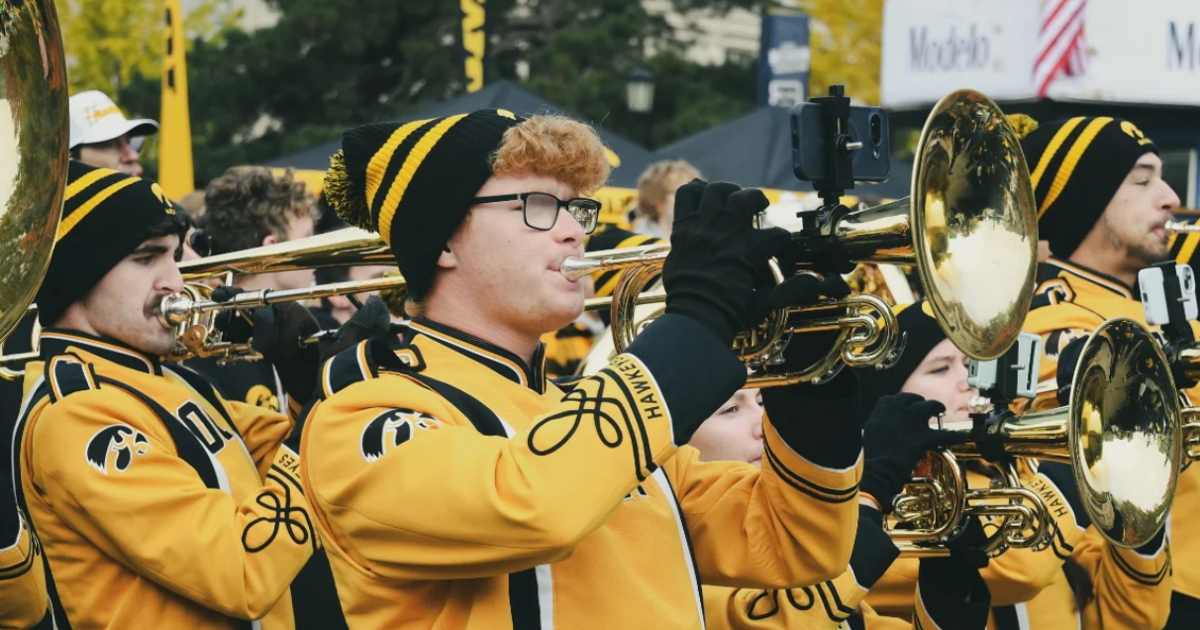
Kinnick Stadium lost its soundtrack
Saturday in Iowa City was supposed to be about football rhythm, the usual churn of a home game in Kinnick Stadium. Instead, the day ended with a far heavier beat: a University of Iowa Hawkeye Marching Band member died Tuesday morning after suffering heat stroke and sudden cardiac arrest during the game against Northern Illinois.
That is not a sports note. That is a campus wound.
Marching bands sit in the background of Saturdays until something like this happens and everybody remembers how exposed they really are. They are out there in full uniform, under direct sun, performing, standing, carrying heavy instruments, moving in step, and doing it for hours. The band doesn’t get the same oxygen as the scoreboard, but it is part of the event’s operating system. Lose that sense of protection, and you’re playing with people’s lives.
The heat factor is not a footnote
Heat stroke is not one of those vague athletic buzzwords. It is a hard medical emergency, and once sudden cardiac arrest enters the picture, the clock gets brutally short. Stadium medicine has come a long way, but this story is a reminder that preparedness is only as good as the conditions in front of it.
That matters because college football keeps selling the full-pageantry experience: packed venues, long pregame windows, uniformed performers, all-day exposure. The Big Ten has no shortage of high-profile environments built around tradition, but tradition doesn’t cool anybody down. If the temperature, humidity, and sun load are enough to overwhelm a healthy young person, then every game-day protocol gets reexamined in a hurry.
The pageantry is part of the product. So is the duty to keep the people inside it safe.
This is where athletic departments either sound serious or sound like they’re reading from a checklist. There will be support, there will be counseling, there will be review. Fine. Necessary. But the real test is whether teams and event staff start treating band members, cheer squads, and support personnel with the same operational urgency reserved for athletes. They should have been doing that already.
Iowa’s football day now carries a different weight
The timing makes this hit harder. A home game should be one of the safest environments in college sports, at least in theory. You’ve got medical staff, security, event operations, and layers of planning. When a tragedy still breaks through, it shakes the confidence people place in the whole apparatus.
And for Iowa, a place that knows how tightly football and identity are stitched together, the emotional fallout is going to linger. This is the same program and same state that understand how much game days mean to the community. The band is not garnish. It is the heartbeat between snaps. A loss like this changes the mood in the building long after the final whistle of that Northern Illinois game stopped mattering.
I’ve covered enough college sports to know these moments expose something the industry likes to hide: not every person on the field or in the stadium is there with equal protection, equal visibility, or equal leverage. The players get the headlines. The band members, student staffers, and event workers often live in the margins until tragedy drags them into the center.
That is why this one is landing so hard. It’s not just grief. It’s recognition.
What schools will be forced to look at next
The obvious next step is a hard audit of heat protocols, rest windows, hydration access, uniform policies, and emergency response timing for every part of game day. Not just the team. Not just the athletes. Everybody.
There’s also a bigger reputational piece here. College programs love to talk about family until family needs the unglamorous stuff: better scheduling, more shade, quicker intervention, and a willingness to delay or alter routines when conditions are dangerous. This is the kind of event that should push athletic directors to ask whether they’ve built a spectacle that leaves too many people vulnerable.
Iowa fans will mourn this as a loss within their own community, and they should. But the ripple effect goes wider than one campus. Around the country, every school staging a summer heat game, every band practicing on pavement, every event staffer standing in the sun is now part of the same conversation.
I’d expect this to echo through college athletic departments fast. Quietly at first, then loudly if anybody decides to wait for the next emergency. That’s how these things go. The lesson always arrives after the pain, and then everybody pretends they couldn’t see it coming.
The human part is the only part that matters now
The football season will keep moving. The standings will keep piling up. Someone will win Saturday, someone will lose, and the machine will keep spinning.
This loss won’t.
The best response from Iowa and every school watching is simple: treat the people who make game day feel alive like they matter before a tragedy proves they do. The band carries the energy. The institution carries the responsibility. Right now, that’s the only scoreboard worth checking.
More from Straight From The Bench
Comments
Join the conversation — sign in to leave a comment.
Sign in to commentRelated Stories
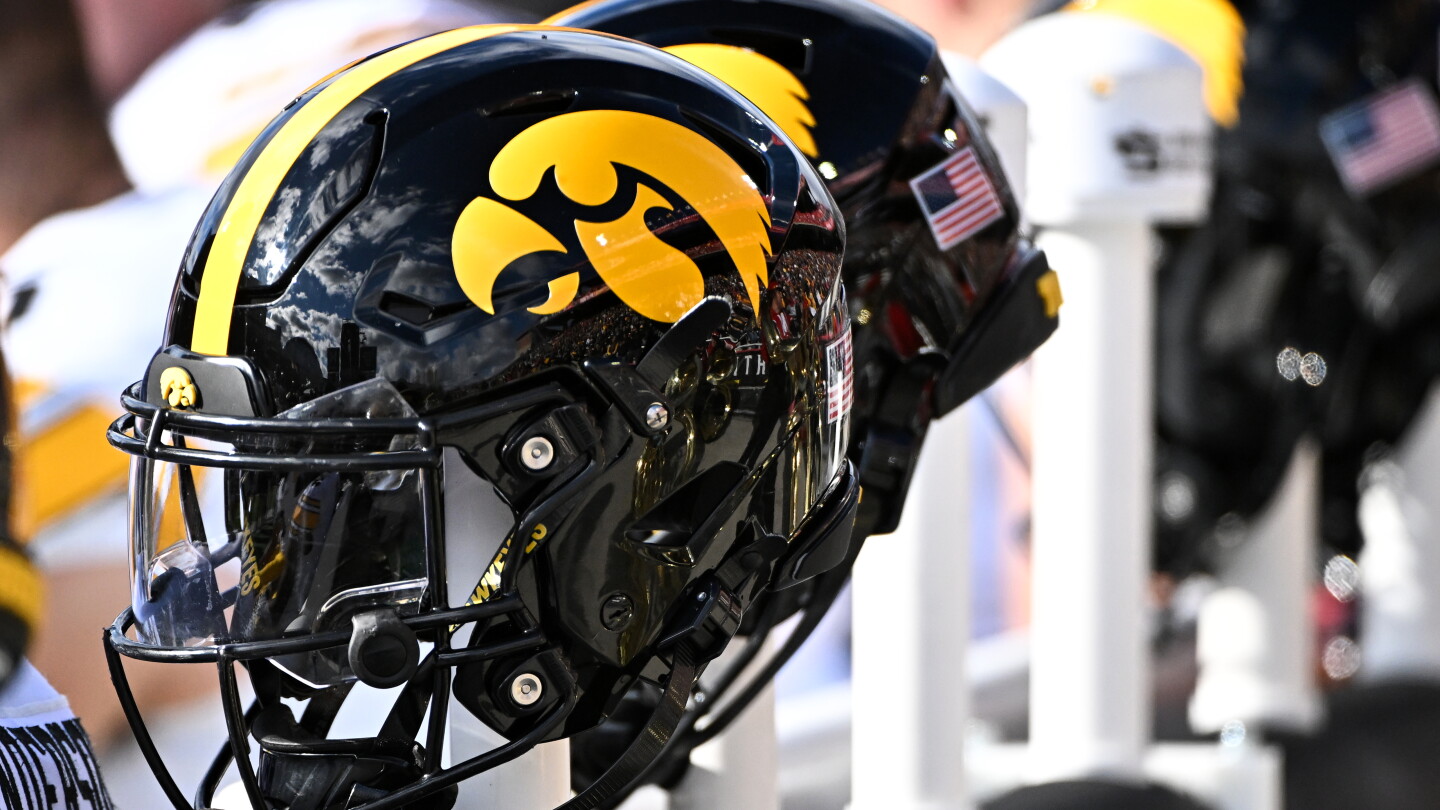
Iowa marching band cardiac arrest update: member removed from life support
A member of the Iowa marching band was removed from life support after collapsing before halftime against Northern Illinois. The football fades fast; the human cost doesn’t.
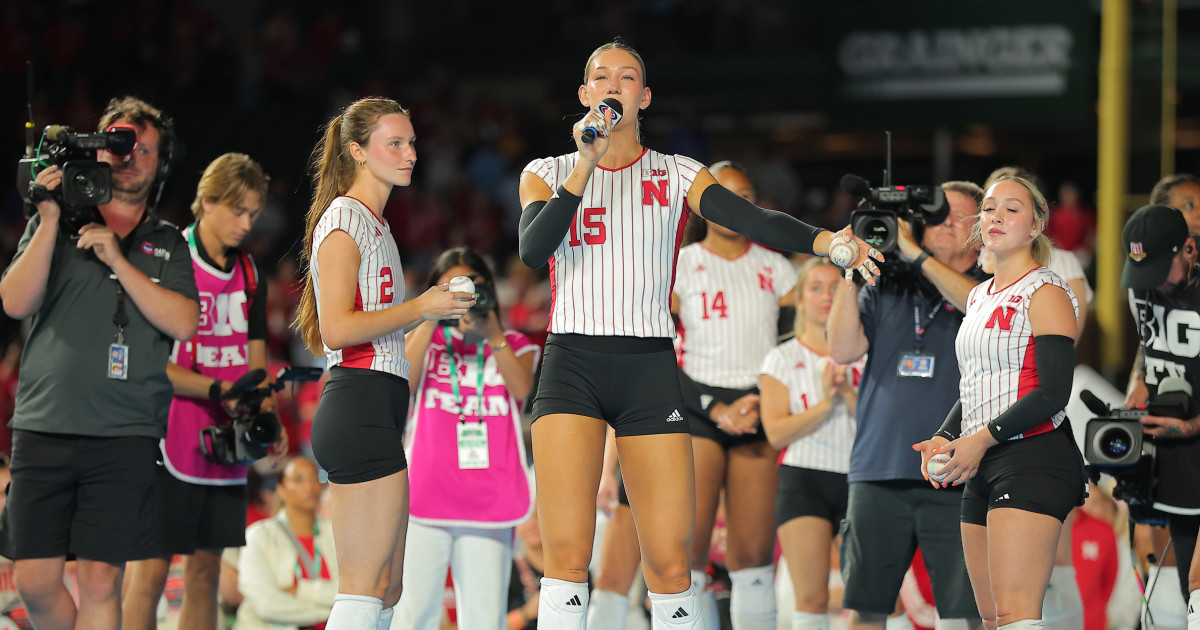
Nebraska-Missouri Volleyball at Wrigley Field: Rain, Dance and Crowd
Forty-thousand-plus came for Nebraska-Missouri and got weather, patience and a rare stadium-side show. Wrigley Field still found a way to feel alive.
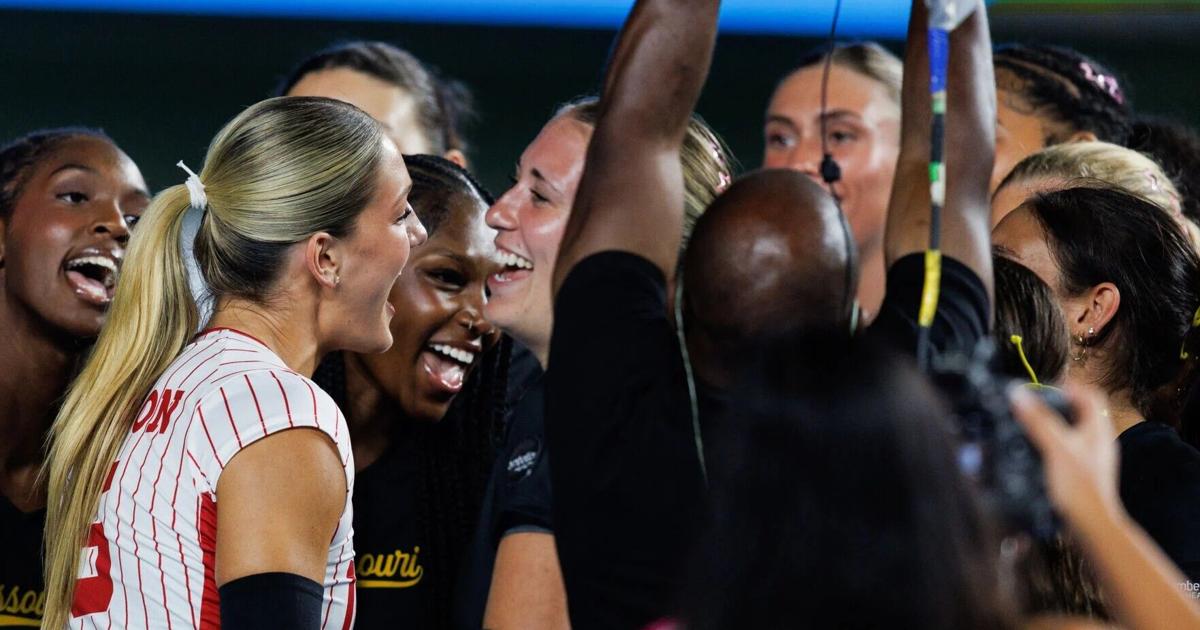
Nebraska Volleyball Seniors: Wrigley Field Message to Husker Fans
When the Wrigley Field match stopped, Nebraska’s seniors made sure the night didn’t. Harper Murray, Laney Choboy, Andi Jackson and Bergen Reilly gave Husker fans the kind of public gratitude that tell