
Hungarian Grand Prix Practice: Leclerc Paces Ferrari at Hungaroring
A messy first hour, a costly spin, and the old order still breathing in Budapest.
 Beatrice Kensington6 min read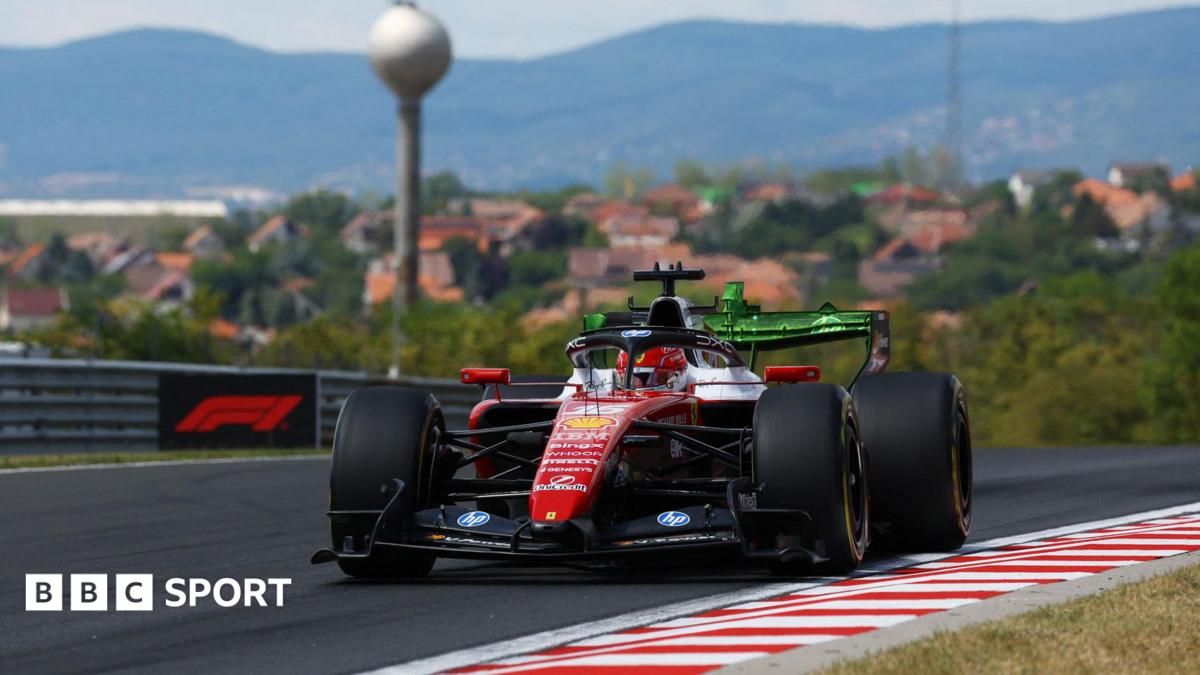
Charles Leclerc arrived at the Hungaroring and did what drivers with confidence in their hands tend to do there: he put his Ferrari near the front and let everyone else spend the afternoon chasing the rhythm. First practice for the Hungarian Grand Prix rarely settles anything, but it does reveal temperaments, and this one spoke plainly. Ferrari looked sharp enough to matter, Aston Martin looked fragile enough to worry about, and Budapest reminded the paddock that its tight, heat-soaked ribbon of asphalt remains one of Formula 1’s sternest examiners.
The headline moment was Lance Stroll’s spin and subsequent rear suspension failure on the new Aston Martin. There is a particular humiliation to a mechanical problem that arrives dressed as a driving error, because the stopwatch does not care which came first. The car fails, the driver looks foolish for a heartbeat, and the session goes on with a dented confidence and a damaged part list. It was a small incident in the broad arithmetic of a practice hour, but these are the small incidents that shape the weekend. One missed lap here, one compromised setup there, and the whole delicate business of qualifying balance begins to wobble.
Leclerc’s opening statement at a circuit that rewards nerve
The Hungaroring has never been a place for grand straight-line theatrics. It is a circuit of patience, of fine hands, of drivers who can keep the front axle alive while the rear obediently follows suit. That is why Leclerc’s early pace matters. Ferrari has often been strongest when the track asks for precision rather than brute force, and Charles Leclerc remains one of the cleanest operators in that kind of environment.
A first practice headline does not crown a favorite, of course. It merely sketches the battlefield. Yet Budapest has a way of rewarding teams that arrive with a car willing to rotate on command, and Ferrari’s long-standing problem has not been raw speed so much as making that speed repeatable when the tires begin to age and the asphalt grows slick with rubber. If the red car looked settled early, that is not trivia. It is a signal.
For anyone trying to read the season through this weekend, the message is simple: the field is close enough that a tidy Friday can become a decisive Sunday. And when the margins are that thin, the team that starts calmly often ends up sleeping better.
Aston Martin’s problem was not just the spin
Stroll’s incident will travel through the garage as more than a brief embarrassment, because the failure on the new Aston Martin points to a larger vulnerability. Aston Martin F1 Team has spent so much energy trying to close the gap to the front runners that every component on the car now carries extra meaning. A rear suspension issue is not just a broken part; it is a disrupted run plan, a lost chance to compare data, and an unwanted reminder that ambition in Formula 1 is always paid for twice — once in design and again in reliability.
In Formula 1, a Friday failure is never merely Friday’s problem.
There is also the human side, which is easy to overlook when the timing screens start blinking. A driver who goes off in practice absorbs a small public bruise, even when the spin is the symptom and not the cause. The paddock can be a merciless place for that sort of thing. Everyone pretends they are only studying numbers, but the sport is built on memory and reputation as much as carbon fiber. One bad moment lingers. One bad weekend can linger longer.
What the Hungaroring usually tells us — and what it does not
This track has a habit of making fools of certainty. It is narrow, technical, and often hot enough to turn tire management into a moral test. Hungaroring is not built for easy overtaking or glamorous recoveries. Qualifying tends to matter more here than at many other venues, which means Friday pace, while not decisive, deserves respect.
That is why the first practice order should be read as a starting sketch rather than gospel. The teams will strip the fuel, adjust the wings, chase temperatures, and discover entirely different truths by the time qualifying approaches. Still, some circuits have personalities, and this one tends to expose the cars that are too nervous on turn-in or too lazy through the middle of the corner. If Ferrari can keep the car planted through the sequence of medium-speed turns, then Leclerc’s early pace becomes a real weekend asset rather than a pleasing footnote.
For the others, the lesson is sharper. Budapest punishes indecision. A car that lacks stability here can make its drivers look as if they are carrying groceries on a staircase. Fine one lap, ragged the next. Fast in the clean air, ordinary in traffic. The old traps are still the best traps.
Beatrice Kensington: why this sort of Friday still matters
I have always believed that practice at a place like the Hungaroring tells us more about a team’s honesty than its heroics. The public sees lap times; the insiders see whether the car gives the driver a fair conversation. That is the real test. Some machines flatter, some resist, and the best ones do both while asking for restraint in return. Ferrari has spent too many seasons caught between the promise of a sharp weekend and the sting of its own inconsistency, which is why a clean opening hour matters more than the casual observer might think.
There is also something almost old-fashioned about this venue, a circuit that still demands craftsmanship in an era increasingly shaped by simulation, strategy overlays, and data streams thick enough to drown a man. The Hungaroring cares about feel. It rewards the driver who can place the car exactly where it needs to be and the engineers who can read a tire before it turns from an ally into a witness against you. If Leclerc and Ferrari are genuinely strong here, it is because they have found a bit of that old craft again. And if Aston Martin is already repairing the story before the weekend has properly begun, then its task is as much psychological as mechanical.
I suspect this pattern will hold through qualifying: the teams with the most settled balance on Friday will retain an edge, while the ones chasing mechanical fixes will spend the weekend negotiating with reality. Formula 1 is often sold as speed, but it is really a series of negotiations. With grip. With temperature. With trust.
The important part now is whether Ferrari can convert a promising opening into something sturdier, and whether Aston Martin can stop its Friday from becoming a costly habit. Budapest seldom forgives the distracted. The next session will tell us who has arrived ready to listen.
What to watch before qualifying
Keep an eye on whether Leclerc’s pace survives a heavier fuel load and whether Ferrari can preserve the rear tires over a longer run. Watch Aston Martin’s reaction, too; a team’s response to early trouble often says more than the trouble itself. And in a championship that still seems to be searching for firm hierarchies, this sort of circuit can expose the difference between looking quick and being quick.
Saturday will sort the bravado from the substance. Friday already offered its warning.
More from Straight From The Bench
Comments
Join the conversation — sign in to leave a comment.
Sign in to commentRelated Stories
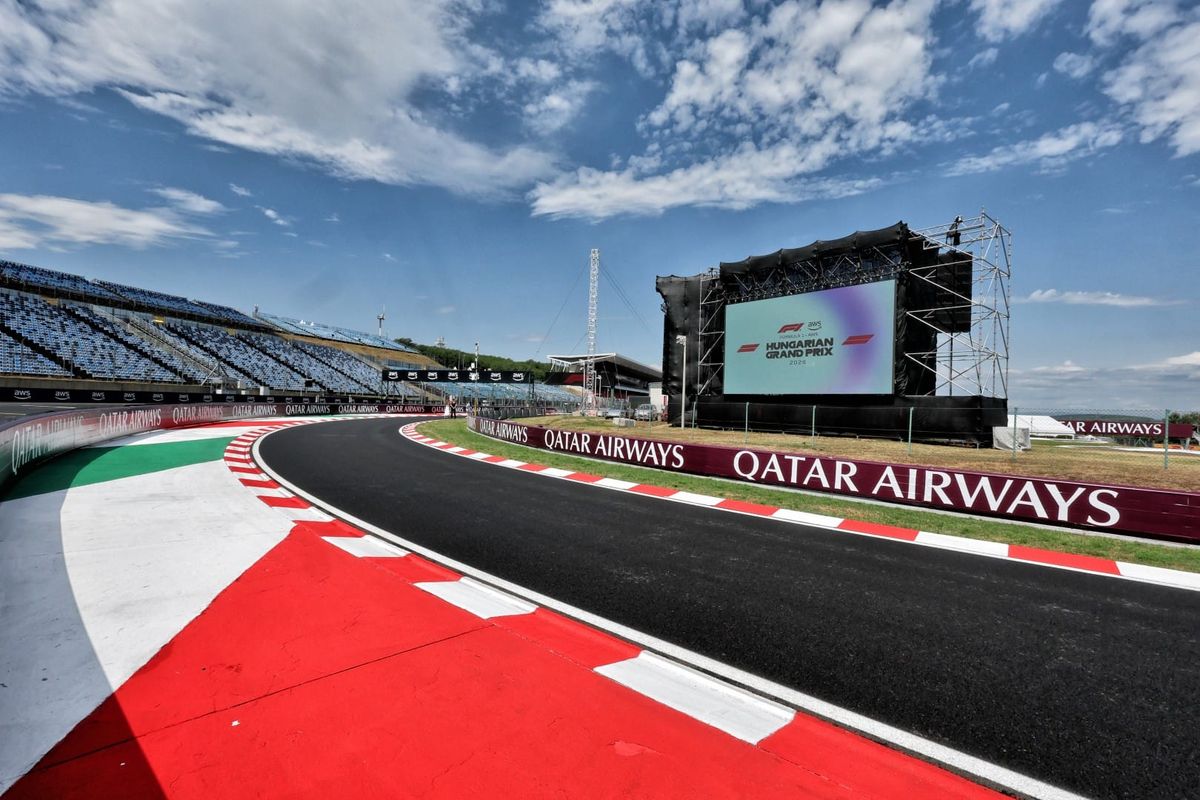
F1 2026 Hungarian GP: Day One lessons from the Hungaroring
Hungary’s media day handed out a clean look at the 2026 F1 pecking order. The new Aston Martin chatter and software tweaks may matter more than the heat.

LeBron James 76ers Signing: The Last Decision, Explained
LeBron James has chosen Philadelphia, leaving Cleveland, Miami, Golden State and Minnesota behind. The move lands like a thunderclap—and raises the stakes everywhere.

Tony Romo Arrested in Milwaukee: OUI Suspicions Stir Questions
Tony Romo was arrested in Milwaukee on suspicion of operating while under the influence. The headline lands hard because the fall from public grace never travels light.