
Igor Shesterkin Injury Update: Rangers goalie leaves loss early
New York’s margin for error just got very, very thin.
 Zane Miller4 min read
The Rangers lost more than a game when Igor Shesterkin had to be helped off the ice against Washington. In a league where elite goaltending can cover a dozen other problems, New York suddenly found out how fragile the whole setup looks when the backbone goes missing.
Shesterkin left in the second period after appearing to jam his right skate into the post while scrambling back to the crease on a Capitals power play. It was awkward, ugly, and immediate. The kind of sequence that makes every bench in the building go quiet. Jonathan Quick is on the roster for moments like this in theory, and Dylan Garand got the call in reality.
The crease changes everything for New York
This is not a small subplot. This is the Rangers’ entire defensive identity taking a shot to the ribs.
Shesterkin is the engine of the operation. He’s the guy who lets New York play a little more aggressively through the neutral zone, survive broken coverages, and keep the games manageable when the offense goes quiet for stretches. Take that away, even for a night, and the whole rhythm changes. Defensemen hesitate. Puck management tightens up. The bench starts coaching scared.
And that’s before you even get to the schedule math. October and November losses count the same as March, but the way teams absorb them is different. If this becomes even a short-term thing, the Rangers are the kind of team that can spiral from “fine” to “chasing” fast because they lean so hard on one elite answer in net.
Washington didn’t need to do much to expose the stress point
The sequence itself matters because it came on a Capitals power play, in the kind of live-fire situation that tests a goalie’s movement at full speed. Shesterkin was trying to recover, the post got involved, and suddenly the whole building was watching one leg.
That’s the part that will linger. Not just the injury, but the way it happened. Goaltenders live on edges and explosions. A half-step off, a post jam, a twist in traffic — it doesn’t take much. Teams spend all summer building around certainty, then one scramble and the tone flips.
For Washington, the takeaway is simple: keep making New York defend in broken sequences and see what the next guy looks like. For the Rangers, it’s far less comfortable. If Garand has to carry any real stretch, the margin behind the top line gets thinner in a hurry. If Quick is the bridge, fine — but bridges are for surviving gaps, not crossing months.
The Rangers’ ceiling is tied to Shesterkin’s health more than their power play, and that should scare them.
What Garand and Quick now have to stabilize
This is where roster construction stops being abstract.
Garand was brought in as a developing option, not a headline act. Quick, at this stage of his career, is the veteran safety net. That’s a useful tandem if the injury is brief. It becomes a very different conversation if New York is forced to ask either one to absorb meaningful starts.
The larger issue is sequencing. If Shesterkin misses time, the Rangers may have to alter how they defend zone entries, how aggressively their blue line activates, and how much risk they’re willing to take late in periods. All of that feeds back into shot quality, rebound control, and penalty kill stress. The ripple effect is the story here, not just the goalie chart.
I’ll tell you what this feels like from a front-office lens: alarm bells, but not panic yet. The Rangers have spent too much capital to pretend this doesn’t matter. They know exactly what their season looks like with Shesterkin healthy, and they know the bill that comes due if he isn’t. If you’re around this team every day, you can almost hear the calculus already — how long can they manage, and how much can they afford to gamble before it starts costing standings points?
I’ve seen this movie before in the NHL: the elite goalie injury that doesn’t just knock out one position, but changes the confidence level of the entire room. When a team gets used to a superstar erasing mistakes, everybody else starts playing one beat slower once that safety blanket is gone. That’s the trap New York has to avoid. Don’t overplay conservative hockey out of fear. Don’t turn every shift into survival mode. The teams that handle this best keep the structure, trust the depth, and don’t let one injury rewrite the whole identity.
The next update will tell us plenty
The initial optics are enough to make New York nervous, but the real answer comes from what happens next: imaging, rehab, and the team’s tone when it finally speaks plainly about the timeline. Until then, every Rangers game gets a little louder, and every rush toward the crease gets a little more uncomfortable.
More from Straight From The Bench
Comments
Join the conversation — sign in to leave a comment.
Sign in to commentRelated Stories
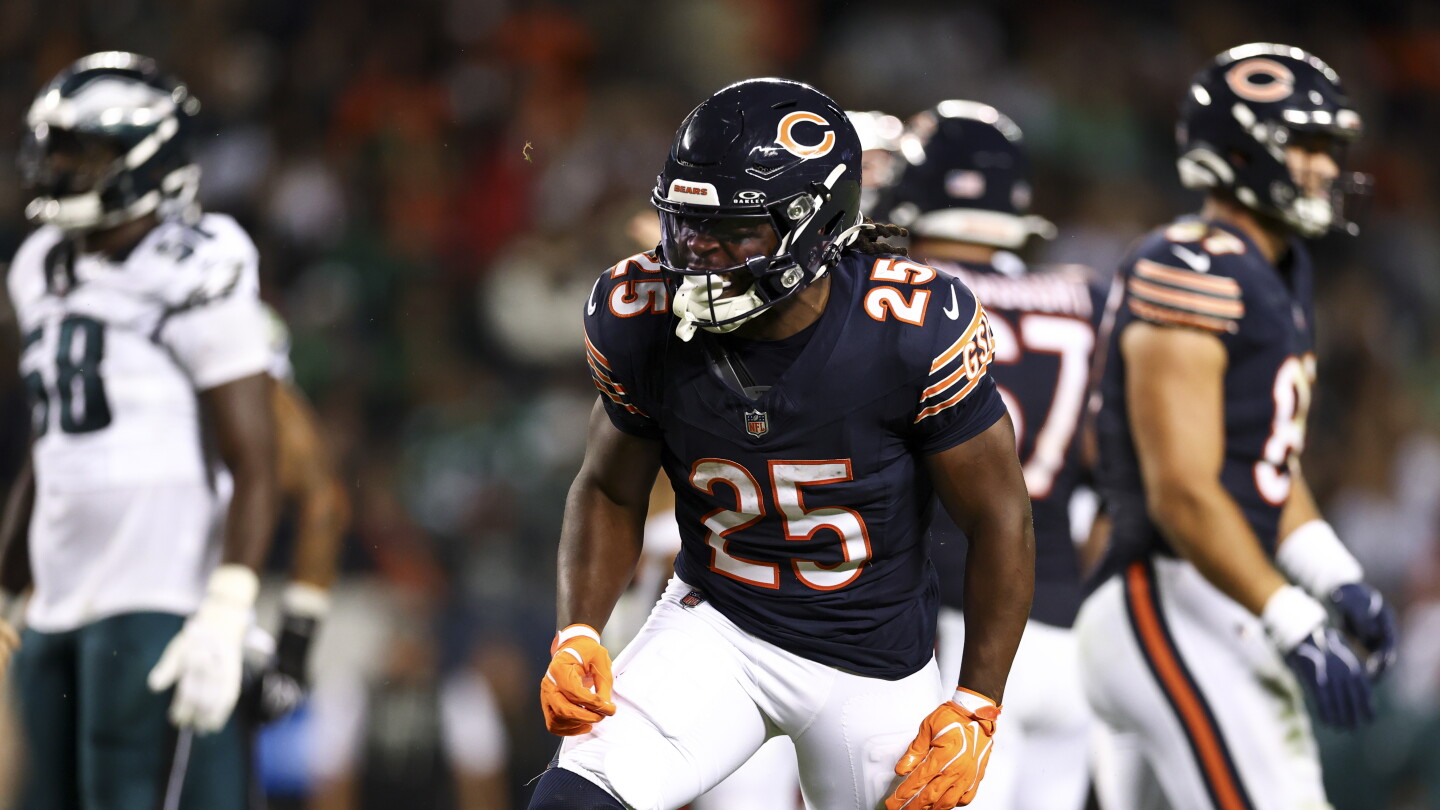
Bears Kyle Monangai Injury Update: Out for Week 5 vs Packers
Kyle Monangai is out for Sunday’s Packers game, and the Bears lose a useful piece in a rivalry built on ugly yards and bad weather.

UCI Gravel World Championships: Dutch dominance rolls on in mud
A brutal, muddy gravel course and 3,179 meters of climbing still couldn’t pry the rainbow jersey away from the Dutch. Marianne Vos did what Marianne Vos does.
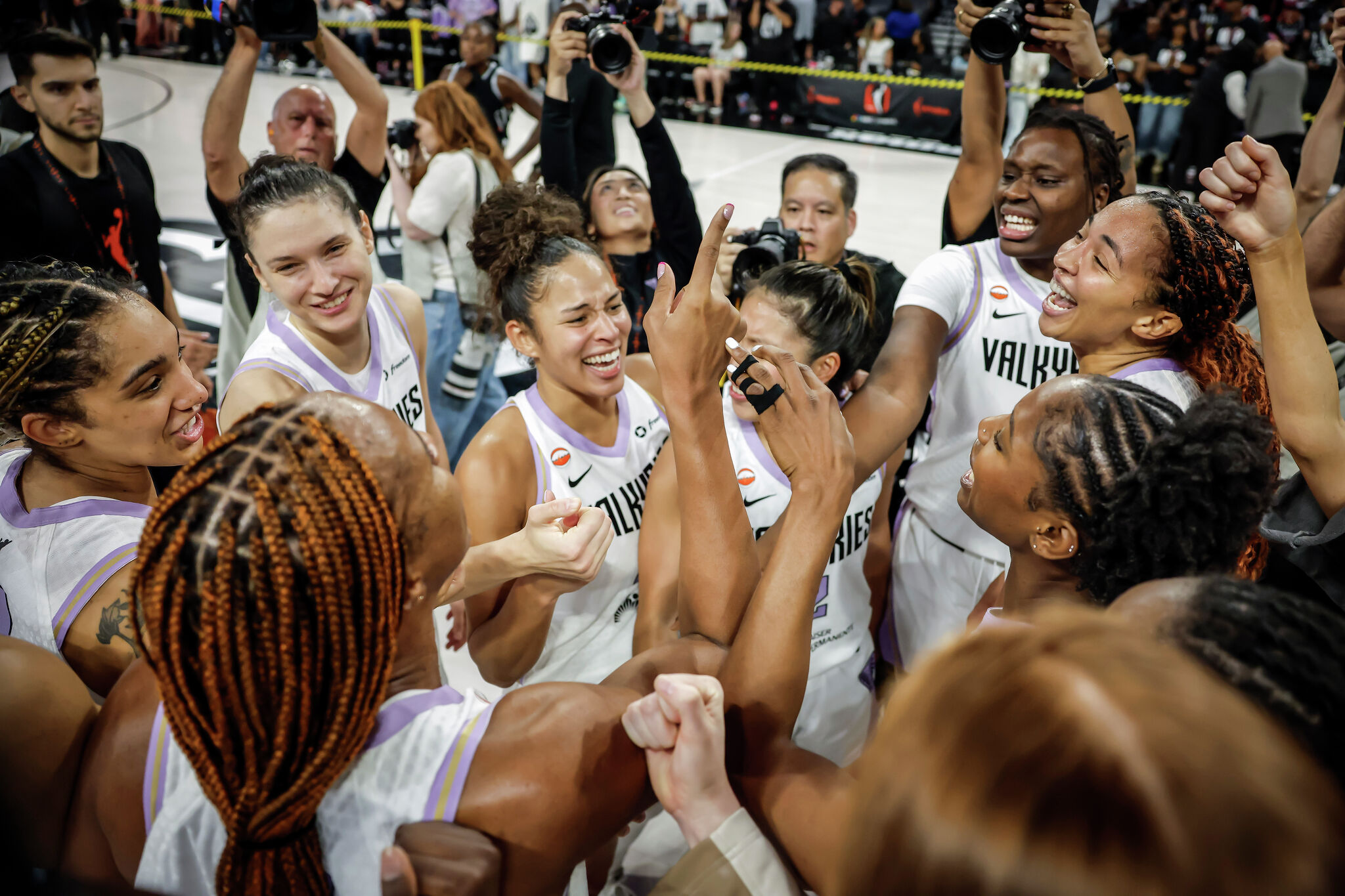
Valkyries vs Aces: Golden State sweeps Las Vegas to reach Finals
Golden State stunned the defending champs with an overtime win in Las Vegas, finishing a three-game sweep and booking its first Finals trip.