
Indiana Fever Harassment Allegations: Brianna Turner Speaks Out
The silence around workplace harm in sports is never neutral.
 Beatrice Kensington5 min read
A story bigger than one firing
The details here arrive with the kind of chill that lingers long after the headline fades. Brianna Turner has alleged that the Indiana Fever encouraged her and teammates to keep quiet after a male staffer was fired for sexual harassment. Strip away the polished language of organizational statements and the NBA-style vocabulary of “culture,” and what remains is familiar in the oldest, ugliest way: a workplace where people in power reportedly asked vulnerable employees to absorb harm and swallow it in the name of order.
That is not a footnote. It is the story.
Sports teams love to describe themselves as families when the sun is shining and as businesses when the trouble begins. But a family does not ask women to carry silence like unpaid labor. A serious workplace does not hide behind reputation management while the people inside it are left to wonder whether speaking up will cost them their role, their standing, or their future.
Silence is not peace; in sports, it is often the tax paid by those with the least power.
What Turner’s allegation says about power in women’s sports
Turner’s allegation lands in a part of the sports landscape that has spent years fighting for respect and basic institutional seriousness. The WNBA has earned its hard-won visibility through talent, persistence, and a generation of players who have demanded more than applause. Yet the league’s growth has also exposed a painful truth: visibility does not automatically bring protection.
In male-ruled sports departments, misconduct has too often been treated as a public-relations problem before it is treated as a human one. The pattern is depressingly recognizable. A staffer is removed. A few careful words are issued. Then comes the whisper campaign, the pressure to move on, the suggestion that speaking plainly is somehow disloyal. That is how organizations teach fear without ever putting it in writing.
If Turner’s allegation is accurate, the Fever are not facing a simple personnel scandal. They are facing a moral question about whether the franchise valued damage control over dignity. And in a league that has fought so hard to be taken seriously, that distinction matters more than the tidy language executives may prefer.
The Fever cannot afford a half-answer
The Fever are not an ordinary market story anymore. With the spotlight on the franchise brighter than it has been in years, every internal decision carries extra weight, and every missed step becomes public property. That’s the burden of relevance. It brings bigger crowds and bigger television numbers, yes, but it also demands stronger standards.
Organizations often make the mistake of thinking the problem is the revelation. It is not. The problem is the conduct that led to the revelation, and then the response after it. If employees were indeed nudged toward silence after a harassment-related firing, then the real injury was doubled: first by the conduct itself, then by the message that honesty was inconvenient.
That kind of culture corrodes trust from the inside out. Players can feel it. Support staff can feel it. And once the atmosphere thickens with suspicion, even the on-court product starts to carry the weight. No team is entirely separate from the air it breathes.
For the Fever, the only durable answer is not a soft statement crafted to survive the news cycle. It is transparency, followed by tangible change. Anything less asks players and fans to accept the oldest lie in sports: that winning excuses the way people are treated while the jerseys are still on the rack.
Why this matters far beyond one locker room
I have spent enough years around professional sports to know that the most revealing moments rarely come in the box score. They come in the private architecture of a team — who gets believed, who gets protected, who is expected to keep the machine running no matter what it costs them. Women’s sports, perhaps because they have had to fight for every inch, often reveal those structures more starkly than the men’s side, where money has long provided camouflage.
My own view is simple, and not especially popular in boardrooms: the future health of women’s professional basketball will be measured less by sponsorship decks than by whether players can trust the institutions that employ them. Growth without safety is a brittle triumph. Loud arenas and prime-time windows do not mean much if the people inside the building believe their silence is part of the job description.
The league has a chance, here, to reinforce a standard that should already be obvious. Not every scandal is a referendum on an entire sport, but this one brushes against a core issue the WNBA can no longer afford to treat as background noise: what happens when power protects itself first. The answer will echo beyond Indianapolis. Other teams are watching. So are employees in other leagues, in other offices, in other buildings where the uniforms are different but the incentives to look away are the same.
The real test is what happens next
This is the stage where organizations usually hope attention will drift. It rarely does, and it shouldn’t. The Fever need to address the allegation in a way that does not sound like an evasion wrapped in legal polish. The league, too, has a responsibility to show that player safety and workplace accountability are not conditional values reserved for good weather and positive press.
Fans will keep asking a hard but necessary question: was this a single failure of judgment, or a glimpse of something more embedded? The answer matters. Not just for one former player, and not just for one franchise, but for every athlete who has ever learned that the cost of telling the truth can be higher than the cost of staying quiet.
The league has been asking the country to take women’s basketball seriously. Fair enough. Now it has to prove it can take the women inside it seriously, too.
The next statement will matter. The next investigation will matter. The next person who decides whether to speak will matter most of all.
More from Straight From The Bench
Comments
Join the conversation — sign in to leave a comment.
Sign in to commentRelated Stories
Cecily Tynan Retirement: 6abc Chief Meteorologist Steps Away
Cecily Tynan is calling it a career after more than 35 years in broadcast and a generation on Philadelphia’s evening TV. That leaves a hole no weather graphic can fill.
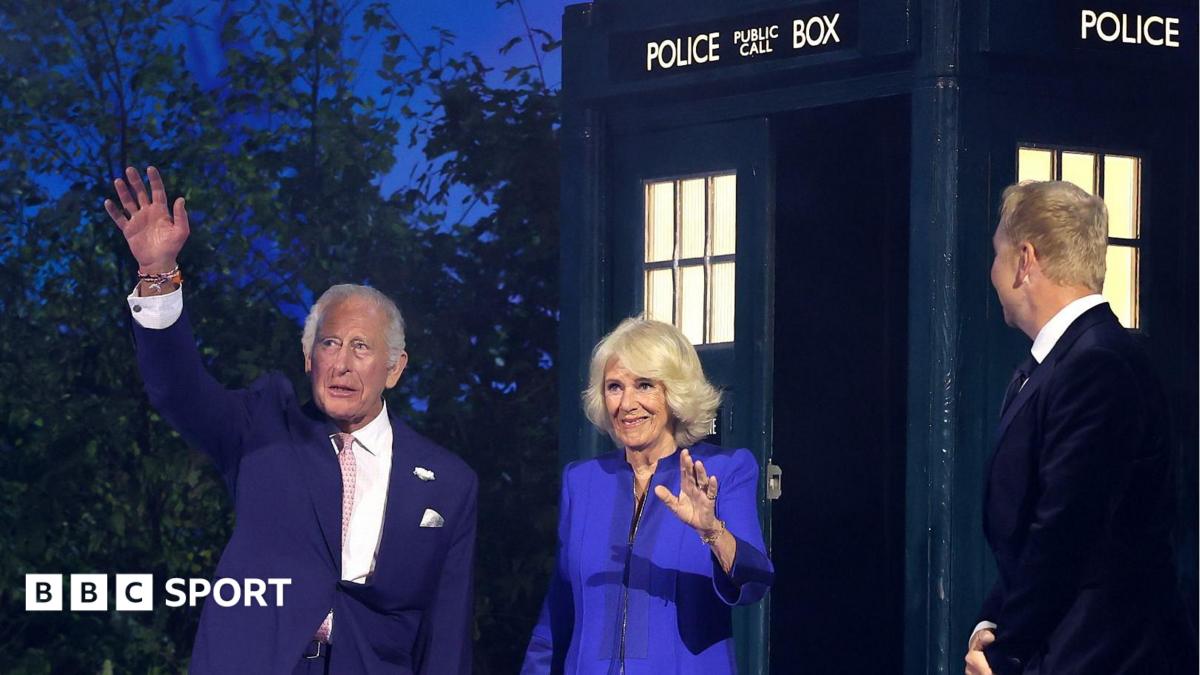
Commonwealth Games Glasgow 2026 Opening Ceremony: Charles Stuns Fans
Glasgow kicked off the Commonwealth Games with enough theater to fill a season, not a ceremony. Charles, a Tardis, and Nessie did the heavy lifting.

Sophie Cunningham Women's Sports Debate: White House Backs Fever Star
Sophie Cunningham’s remarks on protecting women’s sports drew a White House response and reignited a fight that reaches far beyond the Fever.