
IndyCar Freedom 250 Grand Prix: What to know before D.C. race
Race cars on the Mall? Washington finally found a louder tourist attraction.
 Leo Lupo6 min read
The National Mall gets a little louder than the museums are used to
Washington, D.C. is about to trade its usual soundtrack of tour buses, joggers, and somebody arguing near a food truck for the low, rattling thunder of open-wheel race cars. The National Mall is not exactly built for screaming engines and rubber laid down at speed, which is precisely why this thing matters. The Freedom 250 Grand Prix is not some sleepy little exhibition tucked away in a parking lot. It’s a motorsports spectacle planted right in the middle of the capital, where every cone, barricade, and grandstand comes with a side of civic theater.
That alone makes it unusual. Most racing happens in places built for racing. Tracks. Ovals. Street circuits with a history of this sort of madness. Washington is different. The setting turns the event into a billboard, whether the organizers want that or not. It says, loud and clear, that motorsports wants a bigger American footprint than the usual pockets of loyalty from Indianapolis, Texas, and the road-circuit crowd.
And let’s not kid ourselves. The choice of venue is the headline. The race is the engine underneath it.
Why race here, and why now?
Because this is how modern sports sells itself: not just as competition, but as an event that can muscle into the national conversation. Put race cars in front of the monuments and suddenly the sport looks less like a niche and more like a full-on civic invasion. There’s marketing value in that. There’s television value in that. There’s a certain mischievous American logic in that too. If a thing can be staged, eventually somebody will try to stage it in the most photogenic place on earth.
The payoff for IndyCar is obvious. It gets a backdrop no suburban speedway can match. It gets a talking point beyond lap times and tire strategy. It gets casual sports fans to stop scrolling for five seconds. That’s a win, even before the green flag.
The risk is equally plain. Events like this can look grand on a rendering and turn into a logistical headache on the ground. The IndyCar Series has spent years trying to build momentum in a sports landscape that usually reserves the biggest oxygen tanks for the NFL, the NBA, and whatever mess baseball is cooking up that week. So when it reaches for a stunt with gravitas, it better deliver on safety, staging, and sightlines. Racing fans are patient only to a point. They’ll tolerate the hype if the product is real.
Streaming, crowds, and the usual modern circus
One of the big questions around this thing is simple enough: can people actually watch it without turning their afternoon into a scavenger hunt? In 2026, if your event can’t be streamed cleanly, it might as well be happening on the moon. Fans expect access. They expect clean production. They expect the broadcast to show the racing, not just ten minutes of officials staring at tape measures and timing sheets.
The good news for the sport is that motorsports understands this better than most leagues do. It lives and dies on TV, streaming, onboard cameras, and the whole digital buffet. That matters here because the event’s visual appeal is doing a lot of the heavy lifting. You don’t put cars by the monuments and then hide them behind a bad feed. That would be malpractice with better branding.
The crowds? They’ll come if the weather behaves and the spectacle feels worth the trek. Washington is full of people who’ll show up for something that feels historic, or at least photo-friendly. Tens of thousands sounds ambitious, but not outrageous for a weekend built around novelty and national symbolism. People love to say they were there when something odd and expensive happened in front of the Lincoln Memorial.
Who’s paying, and why that always matters
Money is the part everybody pretends not to care about until the invoices start circling. Public space costs money to use. Security costs money. Barricades, traffic control, clean-up, staffing, and the rest of the invisible grind all cost money. The whole operation only works if somebody believes the attention, tourism, sponsorship, and broadcast value justify the tab.
That’s the real question behind these splashy events: who gets the upside, and who gets the inconvenience? Washington has seen enough big events to know that spectacle is rarely free. Somebody pays up front. Somebody else gets the bragging rights. The city, the promoters, the teams, and the sponsors all have different answers when the lights are bright and the speeches are over.
Racing in the shadow of the monuments is a bold idea. It is also the sort of thing that looks genius on a render board and brutally practical once the tow trucks start rolling.
The motorsports world has always had this tension. It wants glamour, but it also needs asphalt, access, and a crowd that can be counted. The more ambitious the event, the more it depends on ordinary competence. Anyone can dream up a grand weekend. Fewer can make the bathrooms work, the traffic flow, and the broadcast hit its marks without embarrassing everybody involved.
What this says about IndyCar’s place in the American sports pile
I’ve watched racing in this country long enough to know the sport is forever trying to prove it belongs in the same sentence as the giants. It has the heritage. It has the speed. It has the weird, dangerous poetry of men and women strapping themselves into machines that do not forgive mistakes. What it lacks, too often, is the broad cultural pull that football gets by birthright and basketball gets by endless reinvention.
So IndyCar keeps reaching. Street course. Temporary circuit. Big-city backdrop. Now the National Mall. Fair enough. You don’t climb out of the niche by whispering. You take a swing. Sometimes you strike out. Sometimes you connect and people remember where they were when the thing looked impossible and then happened anyway.
I respect the nerve here. I do. Racing has always needed nerve, because safe and invisible is no way to stay relevant. But nerve alone won’t carry a weekend. The product has to sing. The cars have to race, not parade. The presentation has to feel like more than a fancy postcard with exhaust fumes.
And if it works? Then maybe the sport gets a little new life, a little broader audience, a few more people who realize these machines are not toys and the drivers are not just helmeted mannequins for sponsor logos. That’s the upside. That’s the reason to take the risk.
If it doesn’t work, the monuments will still be standing on Monday. The tire marks won’t be the only thing needing a cleanup.
More from Straight From The Bench
Comments
Join the conversation — sign in to leave a comment.
Sign in to commentRelated Stories
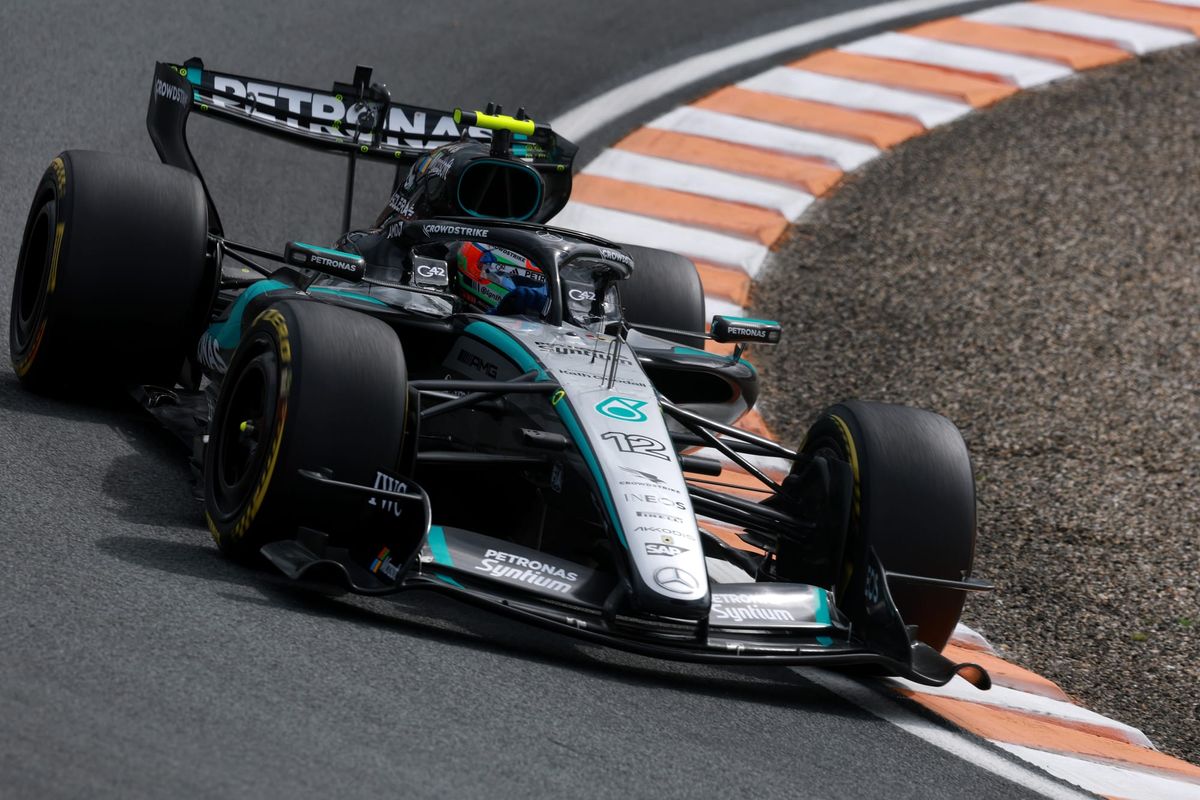
Dutch Grand Prix Practice: Kimi Antonelli Tops F1 Return
Kimi Antonelli opened the second half of the 2026 Formula 1 season by going quickest in Dutch Grand Prix practice, edging Lando Norris. A single session, yes — but one with teeth.

Woody Johnson buys minority stake in Aston Martin F1 team
Woody Johnson’s Aston Martin move stretches his sporting reach into Formula 1’s rarefied paddock. It is a business play, yes, but also a declaration of ambition.
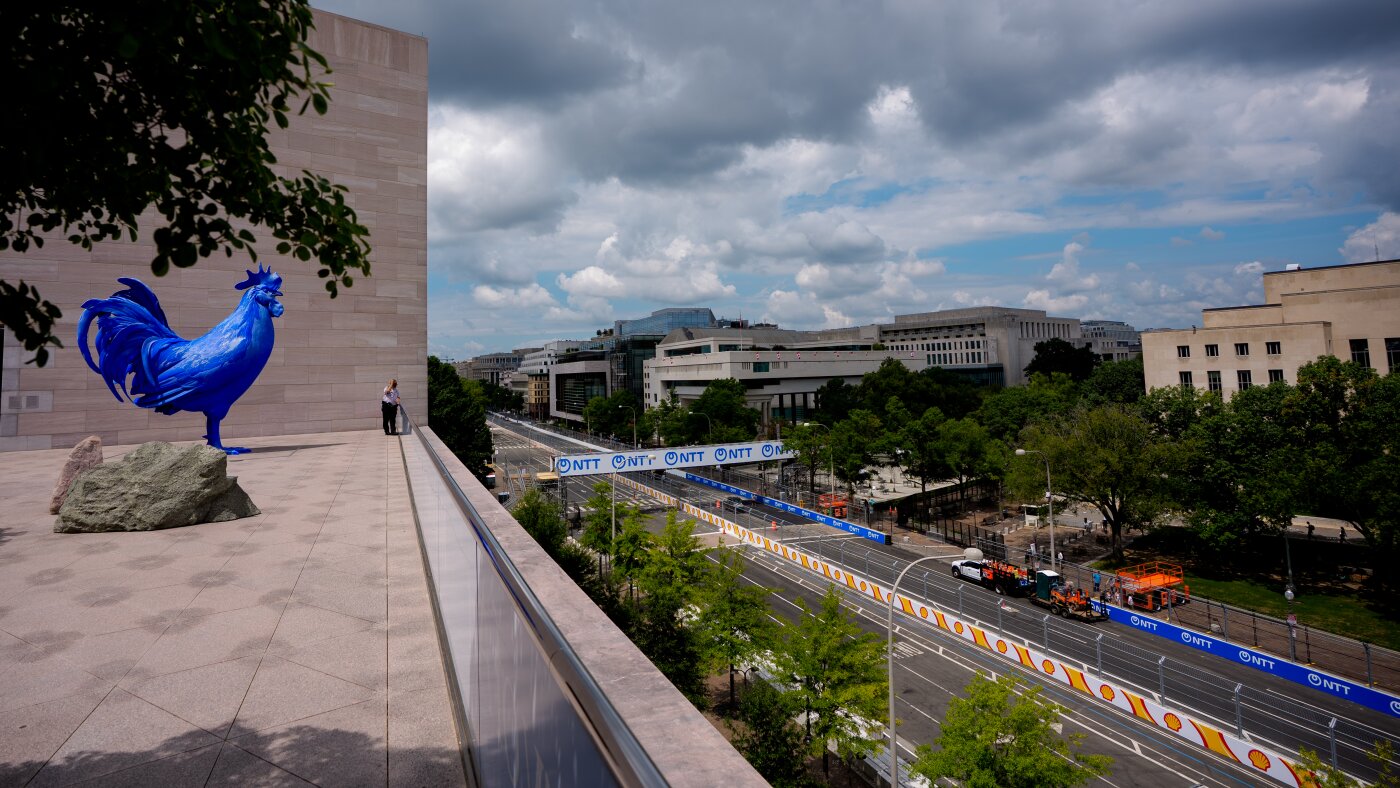
IndyCar D.C. Race: Freedom 250 Rolls Past the Museums
IndyCar’s Washington detour is meant to celebrate the nation, but the route past the National Mall has stirred quiet alarm inside the art world. The question is not only what the cars might shake loos