
Inter Miami Riquelme Fillipi Transfer: What Palmeiras Deal Means
Messi’s club keeps shopping for the next rung on the ladder.
 Leo Lupo4 min read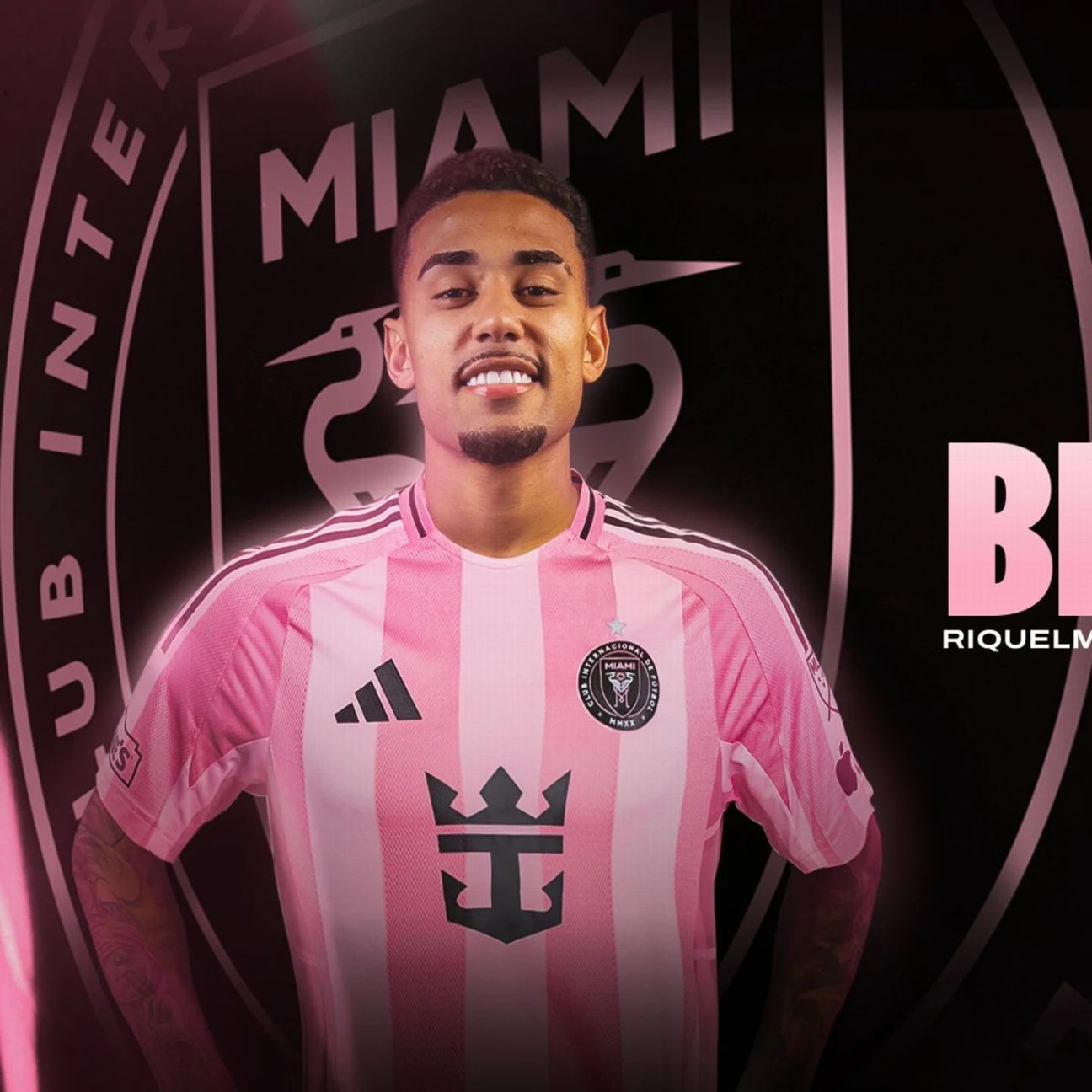
Inter Miami keeps buying time with upside
Inter Miami didn’t just sign a name. They signed a timeline. Riquelme Fillipi is in from Palmeiras through the end of the 2029-30 MLS season, with an option hanging over the 2030-31 campaign, which tells you the club isn’t thinking about a quick splash here. This is a patient football move, even in a place that usually gets treated like a neon billboard.
The club has made a habit of collecting talent with a long fuse. Some of it is obvious, some of it is speculative, and some of it is a salesman’s dream wrapped in a pink shirt. But this one fits a pattern: keep adding players who can grow around the big names instead of only chasing the next headline. That’s how you build past the honeymoon stage.
Why this signing matters beyond the jersey sales
Riquelme Fillipi, by the club’s own setup, is expected to occupy an under-age roster slot. That matters. MLS roster rules are never simple, and anybody who says otherwise is either lying or works in a front office. An under-age signing gives Inter Miami a chance to stash upside without burning the sort of cap space that can handcuff the rest of the roster.
That’s the smart part. The risky part is obvious too. Young talent from South America can arrive with polish, promise, and a very long list of people telling you what he might become. Might. Football is littered with clubs that fell in love with the projection and forgot to check the present tense. So the test here isn’t whether the kid has tools. It’s whether Inter Miami can turn tools into a player who actually survives the grind of travel, physical play, and the weird rhythm of MLS.
In this league, the flashy signing gets the billboard. The smart signing gets you through August.
Palmeiras pedigree always comes with a price tag attached
There’s a reason teams circle Palmeiras when they’re hunting talent. The club doesn’t hand out prospects like free newspapers. If they let one go, there’s usually a reason, and there’s usually a market behind it. Palmeiras has become one of the cleaner talent pipelines in South America, and that reputation cuts both ways. You get a player with a stamp of approval, but you also pay for the expectation that he can step into a real fight, not some academy showcase.
That’s what makes this move worth watching. Inter Miami are no longer behaving like a team that only wants stars at the top of the food chain. They’re layering the roster. They’re trying to thread the needle between spectacle and structure. That’s a trick many clubs say they want. Most never finish it. They get lost between marketing and mechanics.
Leo Lupo: this is how serious teams behave
I’ve watched enough clubs over the years to know the difference between a vanity project and a football operation. The vanity project buys the obvious name and prays the rest sorts itself out. The football operation keeps its eyes on the next two seasons, not just the next press conference. This looks more like the second thing, which is a small mercy in a league where too many outfits still build like they’re shopping for a parade float.
Inter Miami have already learned what everybody learns once the confetti settles: stars pull crowds, but depth wins the ugly weeks. The league schedule grinds. Injuries happen. International call-ups happen. Legs go heavy in the summer heat. If Fillipi turns into a useful rotation piece, or even a legitimate starter down the line, this becomes the kind of signing that doesn’t make the loudest noise but ends up mattering the most.
I’ve seen enough South American imports to know the first year tells you less than the third touch in traffic. Some kids need time. Some need a different role. Some need the hard slap of MLS defending before they figure out what kind of player they really are. The best clubs don’t panic when the learning curve shows its teeth. They keep the player, coach him, and let the investment breathe. That’s the job here.
What comes next for Miami’s roster puzzle
The next question is simple enough: does this move point to more of the same, or is Miami finally building a broader spine around the glamour names? That answer will tell us plenty about the club’s long-term nerve. If they keep stacking younger pieces with real upside, they’re thinking like a franchise trying to stay relevant after the superstar glow fades. If they keep treating the roster like a rotating cast of bets, they’ll remain entertaining and occasionally dangerous, which is not the same thing as being built to last.
For now, the move is sensible. Not flashy in the dumb way. Sensible. Which, around here, counts as a minor miracle.
Inter Miami just added another card to the deck, and the hand is getting more interesting by the month. If Fillipi hits, the club looks sharper, younger, and harder to pin down. If he doesn’t, well, that’s football. No one gets a receipt for promise.
More from Straight From The Bench
Comments
Join the conversation — sign in to leave a comment.
Sign in to commentRelated Stories

Folarin Balogun Everton Move Collapses on Deadline Day
Everton’s late push for Folarin Balogun fell apart, leaving Chelsea, Monaco and the Toffees staring at a deadline-day mess. The bigger story is how fragile transfer diplomacy has become.

Premier League transfer window ratings: Who won the summer?
The Premier League just burned through €4.01 billion. The deadline noise is gone, and now the grades tell you who actually built something.

Folarin Balogun Everton Transfer: Deadline Day Deal Falls Through
Balogun’s trip to Merseyside ended with no deal, and the ripple effects reached Chelsea’s own plans. Deadline Day, once again, left everyone paying for someone else’s hesitation.