
Joey Porter Jr. Trade to Cowboys: the fit, the risk, the shrug
A cornerback gamble that says as much about Dallas as it does about the player.
 Beatrice Kensington6 min read
The Dallas Cowboys keep returning to the same shrine, laying fresh flowers at the altar of possibility. A cornerback with pedigree. A defense with ambition. A front office convinced that the next acquisition might be the one that straightens a crooked season. Joey Porter Jr. in Dallas would fit neatly into that long-running story, and maybe that is precisely why it feels both intriguing and a touch familiar.
Porter is not a mystery box. He is a long, physical corner with enough name recognition to light up a television crawl and enough snap-to-snap volatility to keep evaluators from getting too comfortable. He arrives, or is discussed in that context, with the old football currency attached to him: length, aggression, and a father’s shadow stretching across the field. The Cowboys, for their part, have spent too many autumns searching for a corner who can hold up on the outside without turning the rest of the defense into a house of cards.
Dallas keeps shopping in the same aisle
The Dallas Cowboys have lived for years with the same uneasy truth: a pass rush can do only so much if the back end leaks at the wrong moment. Fans remember the splash plays. Coaches remember the third-and-eight losses that vanish through a missed jam or a late turn of the hips. Cornerback, more than almost any other position, exposes the difference between theory and reality.
If the Steelers are truly willing to move Joey Porter Jr. — and that is the sort of rumor that always starts with some mix of roster logic and executive impatience — Dallas would be stepping into a trade market where the price of upside is usually steep. Porter has the kind of frame that coaches adore and the kind of competitive edge that can make a receiver miserable. He can press. He can linger in a route’s pocket. He can make the sideline look smaller than it is.
But the Cowboys are not shopping for a highlight reel. They are shopping for reliability. That is a different and far more expensive item.
What Porter would change, and what he would not
This is where the football gets honest. A trade for Porter would not magically turn Dallas into a machine that erases elite passing games. It would not solve every issue with communication, safety depth, or the occasional structural wobble that has followed this franchise through its modern postseason disappointments. A cornerback, even a talented one, is not a cathedral pillar. He is one stone in the arch.
Still, Porter would alter the arithmetic. A defense that can trust one boundary spot gains freedom elsewhere. The coordinator can blitz with a little less panic. The safety can cheat a little less often. The nickel can live closer to the line, where the game gets meaner and more crowded. Against the league’s more polished offenses, those inches are everything.
The risk is obvious enough to have its own pulse. Porter’s value depends on whether Dallas sees a corner entering his prime or a player still sanding off the rough edges that come with being highly regarded and heavily watched. The Cowboys have not exactly earned the benefit of the doubt in recent years when it comes to translating roster moves into October certainty.
The appeal of a trade like this is not that it guarantees calm. It is that it sells the illusion that calm is one player away.
The human math behind the move
A deal of this sort is never only about coverage schemes and target share. It is about appetite. It is about a franchise that has been chasing validation for nearly three decades and a fan base that has learned to interpret every aggressive front-office act as either courage or camouflage. Dallas fans know the emotional geometry by now. A shiny addition can feel like progress, until the season asks for something sturdier than shine.
This is where Porter’s profile matters most. He carries a recognizable football lineage, the sort of family name that gives broadcasters something to say and teams something to project onto. Players like that are never discussed only as players. They are discussed as inheritances, as symbols, as evidence that some organizations can draft or develop from strength rather than desperation. But the league is littered with inherited reputations that never quite hardened into dependable production.
I have long believed the Cowboys’ deepest problem is not talent. It is timing, and the recurring habit of arriving at the right idea one season too late. They are often correct about the need. They are just not always correct about the moment. A move for Porter would be a textbook Dallas move in that sense: smart in the abstract, combustible in the practical, and impossible to judge fully until the pressure rises in the final weeks when the field gets thin and the air turns mean.
There is a parallel here worth noticing. Teams that win with their secondary tend to be built on patience and sequencing. They do not merely collect corners. They build trust. They draft a little ahead of need, they coach with consistency, and they accept that coverage is a cumulative craft rather than a deadline purchase. Dallas has too often behaved like a club trying to buy the finished product on a Tuesday.
What to watch if the deal moves forward
If this develops, keep your eye on three things. First, the cost. A cornerback trade only looks clever if the draft capital does not kneecap tomorrow. Second, role clarity. Porter would need a defined job, not a foggy promise of being “featured.” Third, the locker-room temperature. Veterans notice when a team adds talent at a position where competition is already brittle.
The other layer is less visible and more revealing: whether Dallas believes this defense is close enough to justify urgency. That answer matters because urgency is a currency too, and front offices spend it as often as they spend picks. For a franchise that lives under a spotlight brighter than most, every move becomes a referendum on self-awareness.
A trade for Porter would also ripple beyond Dallas. It would tell the rest of the league that the Cowboys are still trying to solve their defensive identity with volume and force, not patience alone. It would remind everyone that this team still sees itself as a contender, no matter how many times the standings try to argue otherwise.
There is still a long road between rumor and reality, and in the NFL that road is usually paved with hard bargaining and harder second thoughts. But if Joey Porter Jr. truly becomes part of the Cowboys’ conversation, it will say something simple and old-fashioned about the franchise: they are not done chasing the feeling that one more piece can make the whole picture hold.
We have seen this movie before. The ending is still negotiable.
More from Straight From The Bench
Comments
Join the conversation — sign in to leave a comment.
Sign in to commentRelated Stories
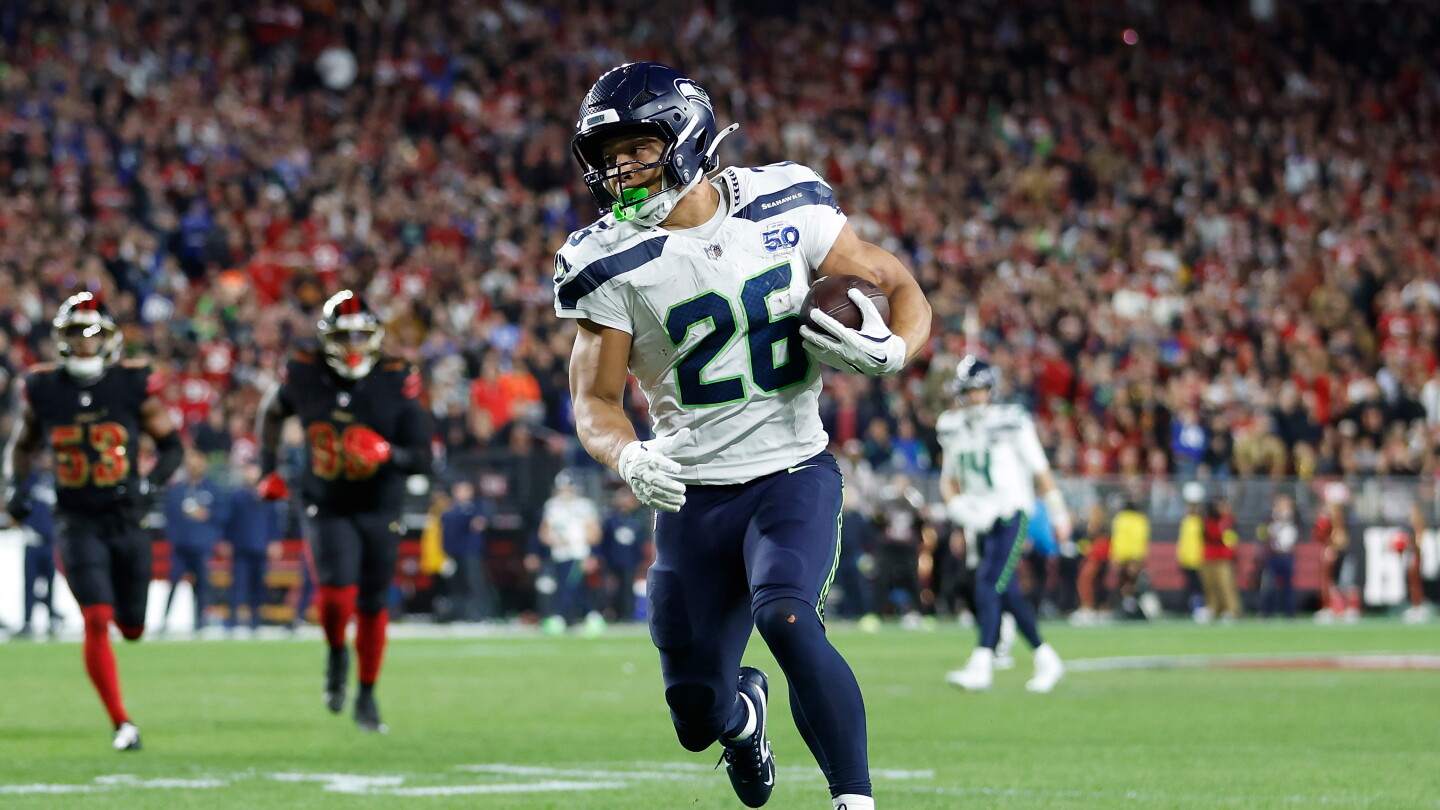
Zach Charbonnet Return to Practice: Seahawks get a jolt
Zach Charbonnet is back on the practice field, and that changes the shape of Seattle’s offense. The question now is how fast the Seahawks can put him back to work.
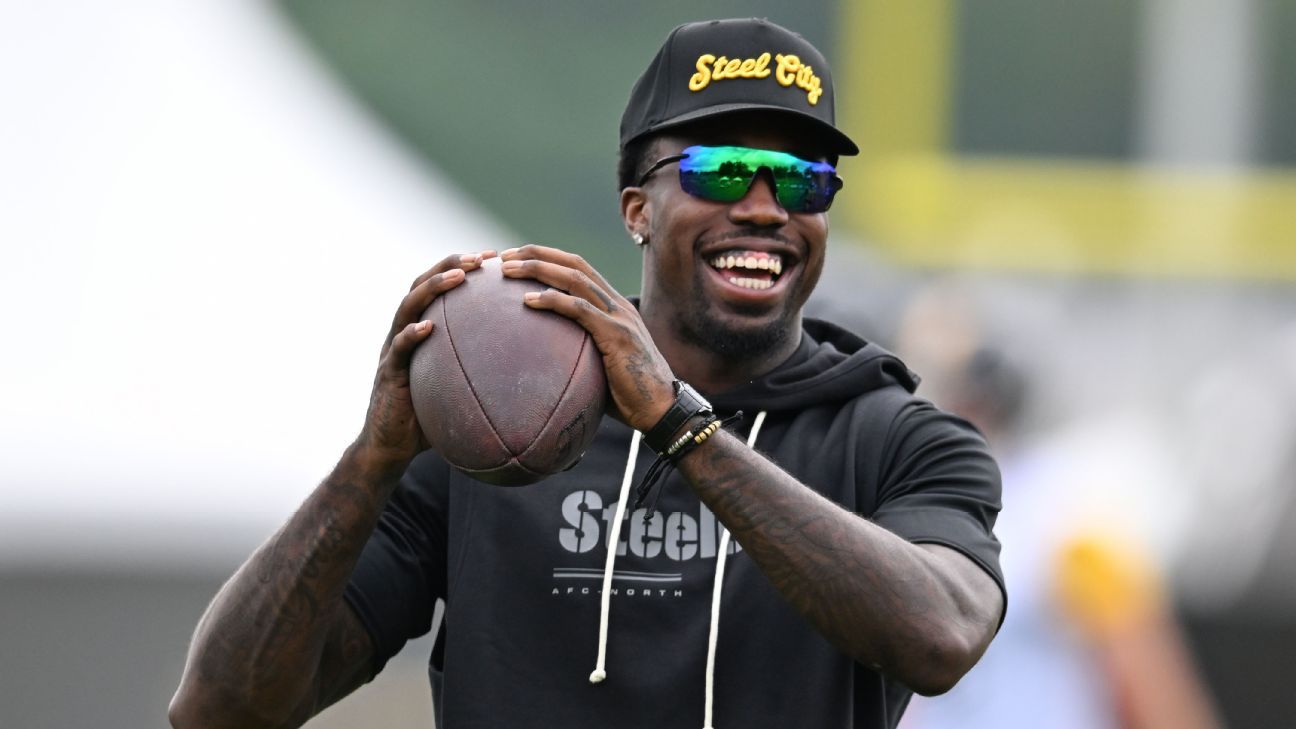
Joey Porter Jr. Trade to Cowboys: Steelers’ cornerback shake-up
The [Joey Porter Jr.](https://en.wikipedia.org/wiki/Joey_Porter_Jr.) trade changes the texture of two defenses, and the stakes reach far beyond one cornerback. Dallas wants a tone-setter; Pittsburgh i

Packers Kevin Zeitler Start Week 4: old guard, new job
Kevin Zeitler walked in, got to work, and immediately started looking like the answer at right guard. That’s how a veteran survives in the NFL.