
June Jones Death: Run-and-Shoot Pioneer Leaves Football Behind
The old playbook had his fingerprints on it, and the game won’t be forgetting that anytime soon.
 Leo Lupo5 min read
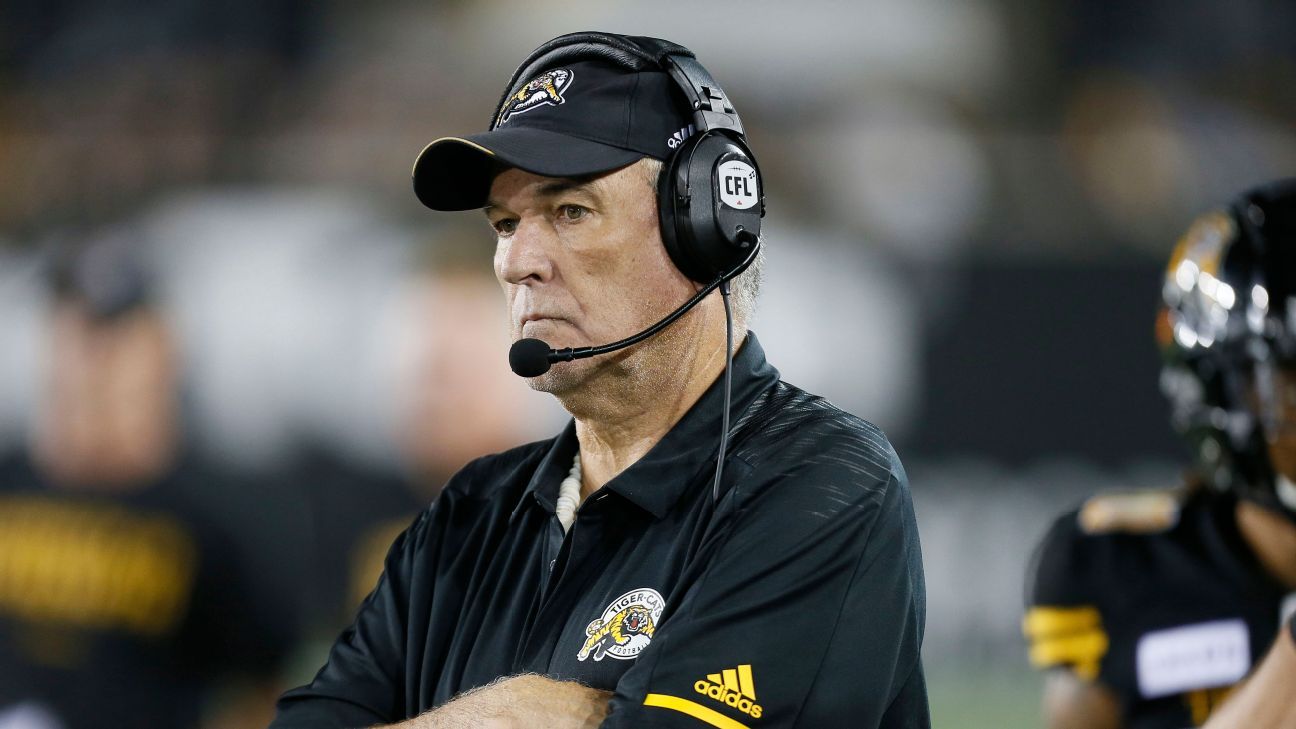
June Jones leaves behind more than a coaching tree
June Jones is gone at 73, and if you’ve been around football long enough, that name should ring with a certain crackle. Not because he chased the spotlight. He rarely did. Jones made his mark the old-fashioned way: by finding a smarter way to move the ball and daring everybody else to catch up.
The University of Hawai'i confirmed his death, and with it comes the usual round of condolences and highlight reels. Fine. Necessary, even. But Jones deserves more than a polite wave from the porch. He was one of the coaches who helped drag the sport out of the stone age and into an era where space, timing, and stress on a defense mattered as much as brute force. The run-and-shoot offense was never just a scheme. In Jones’ hands, it was a statement.
What the run-and-shoot really changed
Football people love to pretend the game evolves in neat little steps. It doesn’t. It lurches. It resists. Then somebody with nerve gets it moving.
Jones was one of those guys. He wasn’t the first to work with the run-and-shoot, but he was one of the men who made it impossible to dismiss as some trick offense for teams short on muscle and long on imagination. The system leaned on wide splits, quick reads, and a quarterback who had to think fast or get embarrassed. It asked defenses ugly questions they didn’t always want to answer.
That matters because the sport eventually built a lot of its modern passing ideas around the same instincts. Not the exact playbook, mind you. The DNA. Spread the field. Put defenders in conflict. Make coverage cover more grass than it wants to cover. The league and the colleges spent decades pretending the old guard had all the answers, and guys like Jones kept proving there were other ways to skin the cat.
You can draw a line from that thinking to a lot of what people now call “modern offense,” though the jargon changes every few years and the ego behind it never does. Jones understood something simple: if your quarterback can make quick, clean decisions and your receivers know where to be, you can make a defense feel slow without needing a line full of giants.
Hawai'i, the Pacific, and a coach who fit the place
Jones’ University of Hawai'i years mattered because they were not some tidy detour. They were part of the story. He took a place that lived at the edge of the mainland football map and made it feel central for long stretches. That’s no small feat. Coaches talk a lot about culture. Jones actually built one.
He also understood fit, which is a fancy word for knowing your personnel and not trying to jam round pegs into square holes. Too many coaches spend their lives forcing players into systems they can’t run. Jones had the sense, or maybe the humility, to let the scheme breathe around what he had. That’s coaching. Not the shouting. Not the headset theatrics. The part where you make the game make sense to the guys actually playing it.
And let’s not kid ourselves: Hawai'i football has always had to sell itself harder than the big boys in the power centers. Recruiting, travel, visibility, all of it stacked against them. Jones gave the program a style that stood out. People watched because it was different and because, on good nights, it was ruthless.
Why his death lands harder than a routine obituary
Jones wasn’t just a college coach with a colorful footprint. He spent time in the NFL, too, and that matters because the pro game is where ideas either survive or get laughed out of the building. He had enough credibility to cross that divide, and that’s not nothing.
Jones didn’t just coach offenses. He made stubborn football people explain themselves.
That line hits because it’s true. The best innovators don’t always win the most trophies. Sometimes they force the whole sport to work harder. Jones did that. He made defensive coordinators rework rules of thumb. He made owners, athletic directors, and old coaches squint at what they thought they knew.
I’ve spent long enough around this racket to know the praise usually comes late, after the schemes have been watered down and renamed by younger men with better press relations. That’s the usual scam. A coach changes the weather, then some committee gets credit for the umbrella. Jones belonged to the weather-makers.
The big picture, and what football keeps borrowing
I’ll tell you what Jones’ career says to me. Football has always been at its best when it borrows from the restless and the overlooked. The game doesn’t move forward because the loudest traditionalists grant permission. It moves when somebody on the fringe proves the center can be wrong.
I remember this same fight in different clothing over the years: the spread game getting sneered at, tempo called gimmicky, motion dismissed as cowardice or shortcut football. Then wins pile up, and the scoffers start acting like they invented the clipboard. Jones saw that cycle coming and spent his career leaning into the discomfort. Good. The sport needs that kind of aggravation.
His death also reminds people that coaching legacies don’t always show up in one banner hanging from a rafters. Sometimes they show up in the way a generation thinks about space, rhythm, and quarterback play. Sometimes they show up in the assistants who leave for better jobs because they learned under a coach who wasn’t afraid to be different. That is a real inheritance.
If you want a cleaner look at how football people remember the craft side of the business, there’s a lesson buried in the way fans celebrated the Brewers World Series parade and the way city pride hangs on to a winner long after the confetti falls. Different sport, same truth: people remember the ones who changed the mood in the building.
Jones did that with an offense. No bad feat.
The game will keep moving, because it always does. But every now and then it pauses long enough to salute the men who bent it a little. June Jones was one of them.
More from Straight From The Bench
Comments
Join the conversation — sign in to leave a comment.
Sign in to commentRelated Stories
Chicago Bears Stadium Deal: Illinois Keeps the Team Home
The Bears are inching toward an Illinois stadium deal, and the long dance with Indiana looks like what it was: leverage. Now comes the hard part.
Jeffery Simmons trade update: Titans never planned to deal him
Tennessee says it never intended to move Jeffery Simmons, but the Bears’ call proves how fast the league can turn a cornerstone into a conversation. The real story is what that says about the Titans’
NFL Week 8 Picks: Panthers at Packers, Ravens at Bills and More
Week 8 arrives with the league’s first real sorting hat in place. Green Bay, Buffalo and Baltimore carry the kind of gravity that exposes the thin places in a season.