
Kirby Yates Retirement: Veteran closer ends a winding MLB career
A late-blooming arm walked off the field in Detroit with the kind of dignity he earned.
 Beatrice Kensington6 min read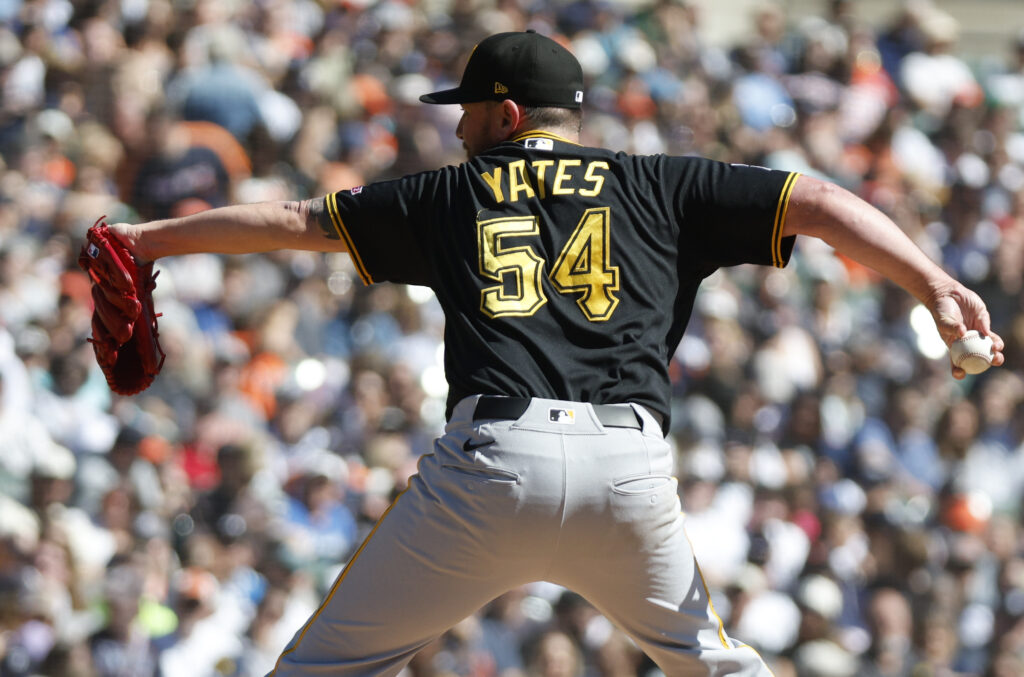
Kirby Yates did not leave the game with a parade of confetti or a farewell speech staged for television. He left after 1 2/3 scoreless innings in Detroit, after the Pirates’ 4-3 walk-off loss to the Tigers, and there is something fitting in that modest, almost quiet exit. No brass band. No ceremonial lap. Just a veteran right-hander doing what he had done for years—slipping hard contact, missing bats, and making the game look a little narrower than it is.
Retirement is often treated like a curtain drop, a single dramatic beat. For a pitcher like Yates, it is closer to a long fade. Arms wear down. Velocity comes and goes. The calendar becomes a more ruthless opponent than any lineup card. Yet the late innings of a career can still matter, and Yates’ did, because they were built on perseverance rather than glamour. He was never the most marketed arm in the room. He became the kind that managers trust when the night turns tense.
A career that refused to follow the script
Yates’ name belongs in the category of baseball stories that should be cherished because they are not handed out very often. He was not a first-round darling who announced himself at 22 and coasted into October riches. He was a reliever who had to claw for every rung, then reinvent himself enough times to keep climbing. That sort of career can be invisible if you only chase saves and headlines.
It should not be invisible.
The modern MLB bullpen is a brutal marketplace. One bad month can erase two good ones. One lost tick of fastball life can turn a reliable veteran into a roster question. Yates endured that reality and still found lanes to matter. His final outing, scoreless and composed, was a small closing argument on behalf of all the pitchers who survive not by being indestructible, but by adapting before the league can bury them.
That is the part worth remembering as the stat line turns into a footnote.
Detroit, Pittsburgh and the strange dignity of the last appearance
There is always a little theater in a player’s final game, even if nobody knows it at the time. The ballpark looks the same. The dugout sounds the same. Then, afterward, the news arrives and the moment hardens into history. Yates’ retirement came after a night in which the Pirates lost late, the sort of ending that can make a team feel as if the season itself is leaning forward under its own weight.
For Pittsburgh Pirates fans, this is another reminder that veteran bullpen pieces often arrive as short-term bridges, not permanent architecture. The club has spent years trying to build something sturdier, and the exit of a seasoned reliever only sharpens the constant search for innings that can be trusted in the seventh, eighth and ninth. The Pirates did not lose a franchise pillar here. They lost a professional—one of the useful ones, the rare sort who can settle a game just by warming up.
For the Detroit Tigers, the night also carried the odd, overlapping emotion that baseball specializes in: a win on the scoreboard, and a kind of farewell in the same breath. Those moments are easy to miss in the churn of a long season. They should not be.
The best bullpen careers do not always end with the biggest saves; sometimes they end with one more quiet shutdown inning and a league that finally runs out of ways to ask for more.
What Yates represents in an era that chews up relievers
I have always had a soft spot for relievers who build careers out of uncertainty. They live at the edge of every game, then are expected to carry the emotional weight of the final three outs as if that burden were routine. It is not routine. It is a strange, punishing job, and it gets stranger every year as clubs chase power, spin, and matchup edges with an almost algorithmic hunger.
Yates’ career offers a clean little lesson in how little certainty baseball really offers, and how much respect should be granted to the players who find it anyway. There is a tendency, especially in the age of the overstaffed bullpen, to treat relievers as interchangeable parts. They are not. Some can survive on feel. Some on deception. Some by learning how to steal just enough from hitters who have seen everything. Yates made a living in that thin space.
And if you want the broader historical frame, think of all the pitchers whose names are remembered less because they amassed statuesque counting stats and more because they held the middle together long enough for the rest of the roster to breathe. Baseball has always needed those men. It is a game built on the premise that one person can be ordinary for three hours and then exquisite for two pitches. Yates understood the assignment.
The last pitch is never just one pitch
There will be the usual temptation to flatten this into a neat retirement note, the kind that says a player was “a good pro” and leaves it there. But the better reading is more human than that. Yates’ career carried the bruises of the profession and the grace that can survive them. He lasted because he adjusted. He lasted because he kept enough faith in his own stuff to keep showing up. That is rarer than people admit.
There is also something poignant in the timing. Justin Verlander’s final career start was part of the same night’s texture, a reminder that baseball’s elder statesmen are being ushered out one by one, each in his own way, each carrying a different version of the same burden: the body’s refusal to keep pace with the mind’s memory of who it used to be. If you want to understand why fans cling so fiercely to players like this, it is because they are living witnesses to the sport’s fleetingness.
I would argue that Yates’ retirement belongs in the same emotional register as the best career endings in baseball—not because it was grand, but because it was earned. The game took plenty from him and gave him enough back to matter. That is a fair trade. Not a glamorous one. A fair one.
He is gone from the mound now, but the shape of his career remains useful: proof that there is still room in baseball for resilience without spectacle. Those players matter most when the lights are harsh and the inning is late.
The box score will move on. The bullpen phone already has.
Yates’ career is now part of the game’s long memory, and that memory should be generous.
More from Straight From The Bench
Comments
Join the conversation — sign in to leave a comment.
Sign in to commentRelated Stories
Phillies Wild Card Race: Diamondbacks Keep the Door Open
Another blank night for the Phillies has tightened the National League Wild Card picture. The Diamondbacks are still alive, and they know exactly what a cracked door looks like.
.jpg?w=1120&h=630)
MLB Playoff Picture 2026: Final Bracket Predictions and Wild Card Chaos
The regular season is almost done, and the postseason field is sharpening fast. The Dodgers are still the center of gravity, but the Wild Card mess is where the real volatility lives.
Brewers 100 Wins, Cubs Clinch: Milwaukee’s Ceiling Just Changed
Milwaukee just hit a franchise first, and it changes the temperature around October. The Cubs also punched their ticket, while the White Sox’s strikeout machine keeps rewriting the wrong kind of histo