
Lakers ownership dispute: Jeanie Buss contests family sale
The purple-and-gold dynasty now has a boardroom bruise.
 Beatrice Kensington6 min read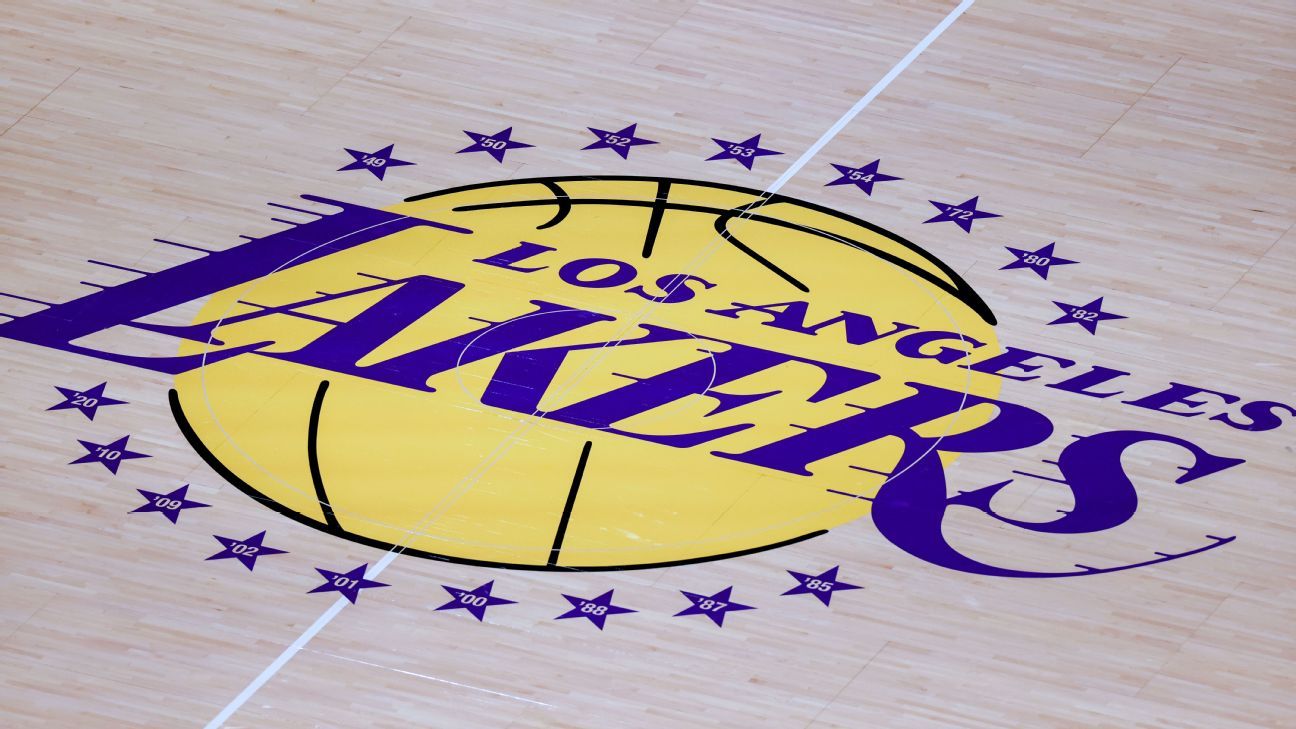
The Lakers have always belonged to more than a balance sheet. They are part theater, part civic religion, part family heirloom polished under the harsh lights of Crypto.com Arena. So when word surfaces that Jeanie Buss is contesting her siblings’ vote to sell the family’s remaining 17.8 percent stake, the story stops being a tidy ownership note and turns into something older, messier, and more revealing: a battle over who gets to decide what the Lakers are, and who gets to cash out of that mythology.
The reported suitors — Josh Kushner and Bob Iger — are not the point by themselves. What matters is the fracture inside the Buss family, a clan that has sat atop the Los Angeles Lakers for generations and helped turn a franchise into a multigenerational luxury brand with a scoreboard attached. If this sale goes through, the Lakers do not cease being the Lakers. But they do take another step away from the old sports archetype of family stewardship and into the modern age of atomized ownership, where legacy is often discussed in the same breath as liquidity.
A family empire meets modern NBA reality
There was a time when the richest owners in sports behaved like custodians first and executives second, whether out of pride, ego, or the simple fact that the game’s economics had not yet exploded into today’s stratosphere. The Buss era fit that model better than most. Jerry Buss built an empire around the Lakers, then passed down not just a team but a throne, complete with the burdens that come with it. His children inherited something that was never merely financial. They inherited expectation.
That is why Jeanie Buss contesting the reported family vote lands with such force. This is not just an asset sale. It is a referendum on family authority, on whether a single branch can decide the fate of a franchise whose identity has long been tangled up with the Buss name. In the NBA, ownership changes are rarely just about who signs the checks. They shape the temperature of the franchise, the appetite for risk, the patience with losing, the willingness to spend. The person who owns the team does not just finance it. They define the emotional weather.
For the league, a move like this also reflects a broad truth: the NBA has become one of the most valuable clubhouses in global sports, and the old, sentimental language of family ownership increasingly collides with the logic of modern valuation. Stakes get carved up. Partners come in. Minority shares become bargaining chips. A team that once felt like an inheritance now behaves like a private equity conference call with better uniforms.
Why Jeanie Buss’s objection matters beyond the boardroom
Jeanie Buss has spent years as the public face of the family’s Lakers chapter, and that role carries a particular burden. In sports, women who inherit power are often forced to prove they belong in ways their male counterparts are not. Every decision is read twice: once as business, once as biography. So her objection is more than procedural. It is a declaration that the remaining family stake is not simply available for liquidation because a majority of siblings say so.
There is a real human ache beneath that position. Families do not usually fall apart over spreadsheets alone. They fall apart over competing memories: who built what, who sacrificed what, who deserves a seat at the table, who thinks they were shut out, who believes the old arrangement has become unfair. A franchise can magnify all of that until the family dispute looks like a national headline and the national headline looks like a probate matter.
And there is a basketball consequence too. The Lakers have spent the last several seasons trying to balance their glamorous past with the demands of an unforgiving present. Ownership stability matters in that environment. So does clarity. A team chasing contention cannot afford to feel as if its future is being negotiated in the margin notes of a family argument. Players notice. Executives notice. Rival front offices, always listening through the wall, notice most of all.
In the NBA, ownership drama is never just upstairs. Eventually it leaks onto the court.
If you want a reminder of how much front-office uncertainty can ripple through a franchise, look at the kind of turbulence that has accompanied other familiar names around the league, from the Mavericks and Stars legal settlement in Dallas to the constant churn that comes with ownership and institutional identity. Different sport, different city, same lesson: when the people at the top are fighting over the house, everybody inside it hears the noise.
The Lakers as inheritance, symbol, and asset
I keep coming back to this: the Lakers are one of the rare American sports brands that can carry contradiction without snapping. They are a business, yes. They are also a cultural object, a television spectacle, an export, a gold-laced memory machine. That makes ownership questions feel unusually loaded. Sell a mid-market franchise stake and the market shrugs. Sell a piece of the Lakers and people ask what else is being sold with it — the family name, the institutional memory, the final traces of Jerry Buss’s original bargain with the city.
Beatrice Kensington, I do not think this sort of fight is an accident of affluence. It is the inevitable outcome of dynastic ownership in an era when sports values rise faster than family consensus can keep pace. The price of entry into elite ownership has climbed so high that even people already inside the gates begin to behave like outsiders with a claim. One sibling sees prudence. Another sees betrayal. Another sees a chance to turn paper wealth into something more tangible. That tension is not unique to the Buss family; it is the story of American wealth in miniature.
And yet the Lakers are not just any family business. They are one of the league’s enduring symbols of continuity, a team that once seemed to change eras without changing essence. This is what makes the current dispute feel so vivid. The franchise’s public face has always been glamour. The private reality, as in most dynasties, has been compromise, grievance, and the slow grind of succession.
What to watch next for Lakers fans
The immediate question is whether Jeanie Buss’s objection gains enough force to alter the reported sale process or simply delays it. Either outcome would be meaningful. A delay keeps the family dispute alive and preserves uncertainty around the team’s ownership map. A completed sale, by contrast, would signal that the family’s internal alignment has already shifted beyond repair.
For Lakers fans, the more important question is what kind of ownership identity emerges if this stake changes hands. New money can be patient money. It can also be restless money. And in the NBA, where the line between long-term planning and short-term reaction is always under pressure, the personality of ownership matters almost as much as the payroll.
There is a certain irony here. The Lakers spend so much of their existence trying to project inevitability. Titles, stars, banners, legacy. Yet the most consequential changes often happen in private, around tables the public never sees. That is where dynasties are really tested. Not under the spotlights. In the signatures.
The next chapter will not be written at center court. It will be drafted in rooms where family memory, legal leverage, and franchise valuation all sit at the same table. That is where this story lives now. Not in the rafters. In the fine print.
More from Straight From The Bench
Comments
Join the conversation — sign in to leave a comment.
Sign in to commentRelated Stories
Russell Westbrook Wizards Rumors: Contract Offer Before Retirement
The Wizards were reportedly in the mix for Russell Westbrook before his retirement. That detail says plenty about where Washington was headed — and what Westbrook still represented.
Caitlin Clark and Angel Reese Viral Video: Fever Smile After Misses
Caitlin Clark’s grin after Atlanta’s late-game misses said plenty. In a league where every possession feels loaded, even a laugh can become a headline.
Ketel Marte Restricted List Update: Diamondbacks Face A Quiet Crisis
Ketel Marte’s move to the restricted list leaves the Diamondbacks managing more than a roster spot. It leaves them managing a silence.