
Lakers Sale: Josh Kushner and Bob Iger Buy Team for $12.5B
The purple-and-gold brand just crossed into a new financial universe.
 Beatrice Kensington5 min read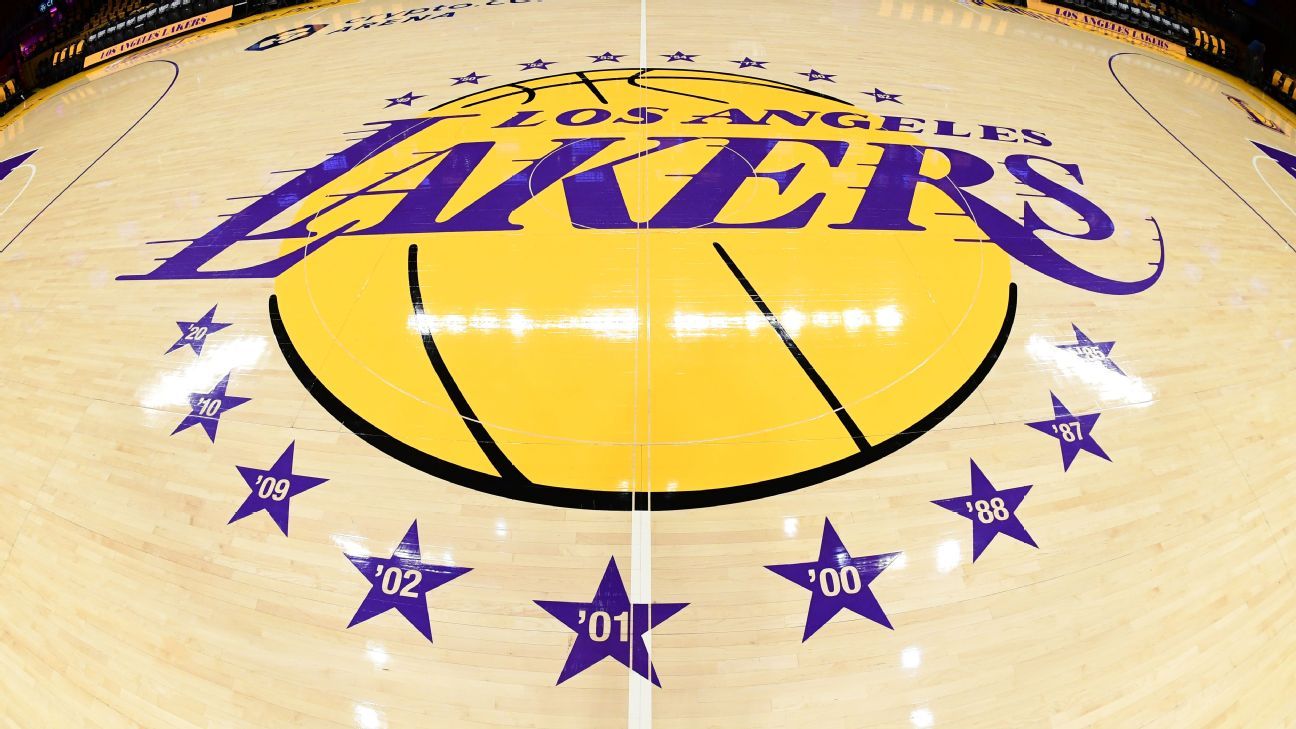
The Los Angeles Lakers have always been larger than basketball, a franchise that behaves like a city-state and carries itself like a dynasty with a lighting budget. Now they are changing hands for $12.5 billion, a number so vast it does not merely reset the market — it redraws the skyline. American businessmen Josh Kushner and Bob Iger are stepping into the center of one of sport’s most glittering institutions, and with them comes the oldest question in modern team ownership: what, exactly, is being purchased when you buy a basketball team this famous?
A price that turns the sport into a different language
The figure is so large it resists ordinary comparison. Billion-dollar valuations used to belong to the rarefied air around the biggest clubs, the kind of transaction that made even wealthy owners look like they were reaching for oxygen. Twelve and a half billion dollars is different. It is not just record-setting; it is a statement that elite sports ownership has become a blend of entertainment, media, real estate, branding and cultural leverage so potent that the box score is only the smallest part of the asset.
The Lakers, unlike many teams, do not simply draw fans. They export identity. They are a global shorthand for glamour, winning and the specific California fantasy that one can be both rich and consequential. That makes them more akin to a luxury dynasty than a conventional franchise, and it explains why the marketplace has gone so feral around them. The NBA has become a league where scarcity is manufactured by prestige, and prestige is where the money lives.
Why this sale matters beyond the court
There is always a civic ache buried inside these deals, especially in a city like Los Angeles where the Lakers are woven into the cultural fabric as tightly as the freeway system and the late-night glow over the hills. Ownership changes are sold to fans as continuity, but they are really negotiations over power. Who gets to define the team’s appetite? Who gets to decide whether the franchise remains a family heirloom, a corporate machine, or some uneasy hybrid of both?
This is where the business side presses against the emotional one. Lakers fans have lived through eras shaped by Jerry Buss’s showmanship, by the Kobe Bryant standard of ruthless excellence, by the league’s accelerating march toward private-equity logic and global monetization. They know what it means when a team becomes both a sports object and a financial instrument. The danger is never just that the new owners will spend too much or too little. The deeper risk is that the franchise begins to feel engineered rather than inherited.
That unease is not unique to Los Angeles. It has become the signature mood of American sports ownership in the billionaire era, where tradition is protected by people who often buy tradition because it is profitable. The Lakers are only the loudest example.
A team can be priceless to a city and still be treated like an appreciating asset by the market.
Josh Kushner, Bob Iger and the shape of modern ownership
Kushner and Iger bring a particular kind of symbolism to the table. One comes from venture capital and the machinery of private investment; the other from the old, polished architecture of media power. Together they suggest an ownership model built not just for basketball operations but for the broader spectacle around them: content, branding, premium access, perhaps even the sort of cross-platform influence that now shadows every major franchise.
That should make people both curious and wary. In the contemporary sports economy, the best owners are not necessarily the richest in the narrowest sense; they are the ones who understand how a team functions as a content engine, a civic emblem and a global luxury brand all at once. That is the game now. It is less about buying players than about buying time, attention and relevance.
The Lakers, of course, have long been comfortable with attention. But they are also bound to a standard more unforgiving than most franchises can imagine. There is no quiet rebuild in purple and gold. Every misstep is amplified. Every loss sounds louder. Every weak season feels like a betrayal of a logo that has spent decades making winning look effortless, even when it was anything but.
What this means for the people who actually live with the losses
For supporters, these sales always arrive with a strange split-screen feeling. On one side is the thrill of watching a beloved team become the most valuable thing of its kind. On the other is the recognition that the people who can now afford to own it live in a different atmospheric layer than the fans who fill the building, buy the jerseys and build family memory around televised nights. The distance between those groups has never been wider.
I have always thought the modern ownership market reveals more about American inequality than it does about sports. We call these transactions “franchise sales” as if they are only about competition and balance sheets, but they are also about who gets admitted into the room where culture is priced. The Lakers are not just an NBA team; they are one of the last true civic myths in American professional sports. When a myth changes hands for $12.5 billion, the sale is never merely financial. It is philosophical.
And yet the on-court truth remains stubbornly simple. No ownership group can purchase chemistry. No prestige can paper over a roster that does not fit, a front office that misses, or the demands of a conference that punishes softness. The people taking over the Lakers will inherit the glamour, yes, but also the obligation that comes with wearing a brand that has never been allowed to be ordinary.
The next chapter will be judged in public
The first test for Kushner and Iger will not be a press release or a corporate photograph. It will be whether the Lakers look like a team with a plan, and whether that plan matches the scale of the brand they have just bought. In Los Angeles, money buys access. Winning buys mercy.
The city will wait only so long before asking the only question that matters: what do you intend to do with this much history?
More from Straight From The Bench
Comments
Join the conversation — sign in to leave a comment.
Sign in to commentRelated Stories
Cooper Flagg rookie card found in Rhode Island stirs card world
A 1-of-1 Cooper Flagg rookie card surfaced in Rhode Island, and the hobby did what it always does: it started buzzing like a bad light fixture.
Don Nelson Death: NBA Mourns Coaching Icon and Innovator
Don Nelson’s death closes the book on one of basketball’s most influential minds. The NBA isn’t just remembering wins — it’s remembering the way he rewired the game.

J.J. McCarthy QB Update: What Kyler Murray Means for Minnesota
Kyler Murray’s arrival changes the texture of Minnesota’s quarterback plan and leaves J.J. McCarthy in a more complicated, more human spot. The future is still his — just not on the schedule he imagin