
Don Nelson Death: NBA Mourns Coaching Icon and Innovator
The old master was never conventional — and the league is better because of it.
 Zane Miller5 min read
Don Nelson was never just a coach. He was a disruption with a whistle. The NBA lost one of its true architectural minds with Nelson’s death at 86, and the reaction tells you everything about his place in the sport: this wasn’t nostalgia for a nice career, it was respect for a man who bent the league toward the future.
Nelson finished with 1,335 career wins, second only to Gregg Popovich on the all-time list, and that number only tells part of the story. He won five titles as a player with the Boston Celtics, but his real imprint came from the sidelines, where he spent decades turning convention into a suggestion. Small-ball before it was a slogan. Positionless stress before front offices had a name for it. Chaos as a strategic choice.
Nellieball was the point, not the punchline
People still talk about Nelson’s style like it was some quirky side project. It wasn’t. It was the blueprint for a lot of what the modern NBA prizes now — speed, spacing, mismatches, and the courage to let skill override size. He didn’t ask teams to fit a rigid shape. He asked them to create problems.
That’s why his legacy goes way beyond the win total. Coaches get remembered for rings, sure. But Nelson changed how teams thought about roster construction. The league’s current obsession with versatile defenders, stretch bigs, and lineups that can switch across multiple spots didn’t appear out of thin air. You can draw a line from his Golden State Warriors years to the league’s present-day preference for speed and five-out spacing, even if today’s version is cleaner, faster, and more lethal.
And the funny part? He did it while looking like he was permanently a step away from shrugging at the whole thing.
The reaction says as much as the résumé
When a coach dies, the league usually responds with the standard honors: praise, clips, plaques, a wave of polished quotes. Nelson’s reaction has had a different feel. There’s genuine reverence in it. That’s because executives, coaches, and former players know he was more than successful — he was early.
Early on analytics-friendly concepts, early on exploiting matchups, early on refusing to let the old guard dictate what “proper” basketball looked like. That matters in a league where every trend gets copied, packaged, then rebranded as innovation by the next wave. Nelson was the original article.
His place on the all-time wins list also matters in another way: it’s proof that this wasn’t just a mad scientist career. He could win in different eras, with different rosters, in different pressure points. That’s the part some of the loudest tactical debates miss. The ideas only stick if the room follows. Nelson kept getting rooms to follow.
Don Nelson didn’t just adapt to the NBA’s evolution. He forced the league to catch up.
What his influence means for today’s front offices
This is where the modern NBA keeps circling back to him, even if some younger fans know the name mostly from highlights, old clips, or late-night references to “Nellieball.” Front offices now live in a world he would have recognized immediately: optimize the math, attack the margins, find the matchup edge before the opponent can react.
That’s Nelson’s fingerprint. He made it acceptable — smart, even — to break from tradition if the underlying logic held. A lot of current decision-makers think in exactly that way now, whether they’re building a contender around movement and shooting or hunting for players who can survive across multiple roles. It’s the same DNA, just with better data and more refined personnel.
I’ve always thought Nelson’s real genius was that he understood discomfort could be an advantage. He wanted the other team to feel weird. He wanted coaches overthinking rotations, centers chasing on the perimeter, and wings deciding whether they were supposed to guard a scorer or become one. That’s not just strategy. That’s pressure.
There’s a straight line from Nelson’s philosophy to the league’s current obsession with forcing decisions in space. The difference is that back then, he was often accused of being unconventional. Now, whole organizations are paid to be unconventional — as long as it grades out on a spreadsheet.
A legacy bigger than nostalgia
This isn’t a “remember when” story. It’s a reminder that the NBA’s history is built on people who saw the game before everyone else did. Nelson was one of them. The NBA has spent years marketing innovation as if it arrived fully formed in the current era. It didn’t. A lot of what fans now call modern was once radical, and Nelson helped make it normal.
He also leaves behind a coach’s legacy that’s harder to quantify than trophies. Ask around the league and the same themes come back: creativity, fearlessness, adaptability. Those traits age well. They travel. They outlive the era that produced them.
That’s the part that sticks with me most. Don Nelson wasn’t chasing approval from the basketball establishment. He spent his career making the establishment adjust to him. Very few people can say that.
The league will keep moving, as it always does. The film will keep getting cut, the lineups will keep getting smaller, and coaches will keep trying to steal an edge from the same playbook Nelson helped write. His fingerprints are everywhere. The NBA just has to keep reading them.
More from Straight From The Bench
Comments
Join the conversation — sign in to leave a comment.
Sign in to commentRelated Stories

NFL Replay Challenges: Coaches Can Now Delegate the Trigger
The league is handing coaches a little less chaos and a little more help. It might save a timeout, or it might just save a grown man from looking like he forgot his own job.
Ben Simmons Australia national team minicamp: zero restrictions return
Ben Simmons is set for a full, unrestricted run with Australia’s player-led minicamp in Melbourne. It’s a small step, but a meaningful one for his basketball future.
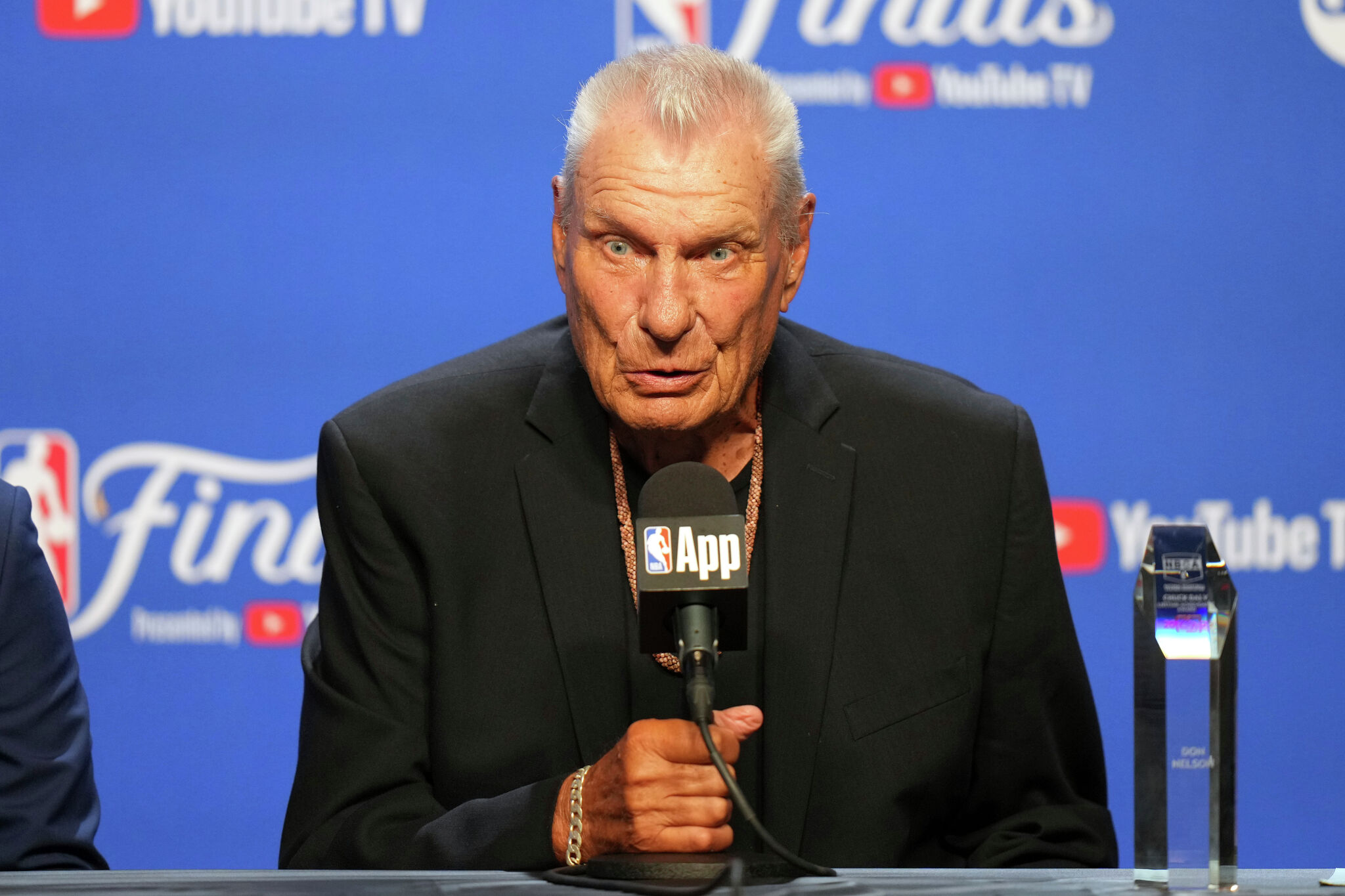
Don Nelson obituary: NBA coaching icon and Mavericks pioneer dies at 86
Don Nelson turned coaching into a dare and drafting into a bet on the future. His Mavericks footprint remains one of the league’s sharpest acts of imagination.