
Tim Anderson Retirement: Former MLB All-Star Hangs Up Spikes
A once-electric bat calls it a career, and the game feels a little quieter tonight.
 Zane Miller5 min read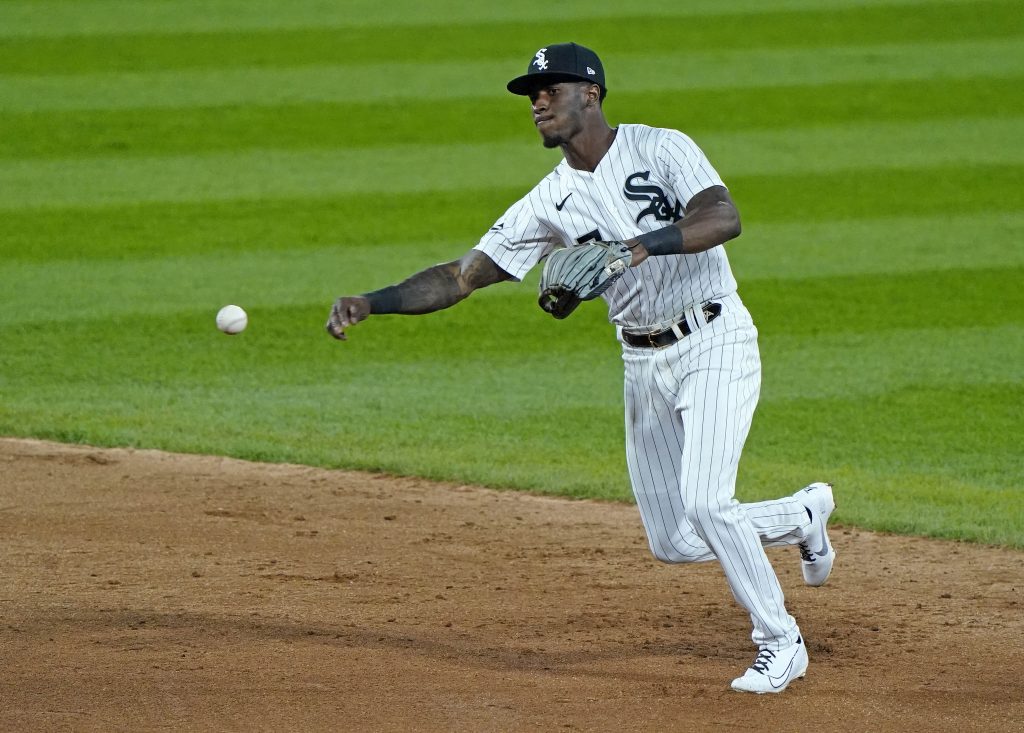
Tim Anderson is done. The former Chicago White Sox shortstop and one-time batting champion said during a Zoom call tied to the fifth anniversary of the Field of Dreams Game that he is retiring, and that lands with real weight if you watched his rise from the first row of the rebuild to the middle of the sport’s conversation.
Anderson was never just another name on a roster card. For a stretch, he was the face of the White Sox’s attempt to matter again. Then he became the kind of player executives had to game-plan for, fans argued over, and pitchers hated seeing because the barrel could show up early and often. The finish is quieter than the peak, which is how these things usually go. But this one still hits.
The bat was the headline, the whole time
Anderson won a batting title in 2019 and made an All-Star team in 2021. That matters because it tells you exactly what kind of player he was at his best: contact-first, aggressive, streaky in a way that made him dangerous rather than merely loud.
There are plenty of shortstops who can flash leather and survive at the bottom of the order. Anderson was aiming higher. He gave Chicago something it had been starving for — a real offensive spark in the middle of the diamond. When he was locked in, the swing looked easy. Quick hands, fast decision-making, no wasted motion. That’s the part teams chase. That’s the part that gets expensive if it shows up early enough in a player’s career.
Anderson’s path also reminds you how unforgiving modern baseball is for hitters whose value leans heavily on timing and feel. Once the bat slows a fraction, once the legs don’t create the same margin, once pitchers stop giving you the edges you used to own, the runway disappears fast. The league does not wait around for your next adjustment.
Why this retirement lands harder than a normal farewell
This isn’t a late-career utility guy wrapping it up after a long tour. Anderson was a premier name in a market that believed it had found its cornerstone. He was part of the White Sox’s identity in the late 2010s and early 2020s, which means his retirement closes a chapter that never quite delivered the payoff Chicago imagined.
That makes the ending feel bigger than the box score version of his career. He was central to a reset, central to the brand, central to the idea that the Sox could build something loud and modern around a young core. Instead, the rise stalled out, the roster aged in awkward places, and the franchise kept reassembling itself around missing pieces.
If you want a sharper lens, look at how quickly baseball reputations can change. A player can go from must-watch to “where are they now?” in a blink. Anderson’s name still carries the echo of a prime that felt fresher than it actually was. That’s the trap with peak moments: they can make a career look longer and louder than it ended up being.
The best version of Tim Anderson was appointment viewing. The last version was a reminder that baseball never hands out permanent status.
What teams saw, and what they stopped seeing
Front offices loved the offensive upside because it gave them a shortstop who could change a game without needing 30 homers to do it. Anderson’s value wasn’t built like the modern launch-angle monster. It was built on contact, rhythm, and confidence. That profile can still play — but only if the player keeps winning the strike-zone battle and staying healthy enough to make the skill matter.
Once that slipped, the margin got thin. And in today’s market, thin margins get exposed quickly. Clubs will always take a chance on a former star with a clean swing and a track record, but they’re not sentimental. If the defense slips, if the production dips, if the body doesn’t cooperate, the phone stops ringing.
That’s the part fans sometimes miss. Retirement announcements from former stars don’t just close a career. They also expose how ruthless roster economics are in baseball. A player can mean a lot to a clubhouse, a market, even a generation of fans — and still get squeezed out by the next wave of 24-year-olds with options and cheaper control.
The White Sox era he leaves behind
Anderson’s name will always be tied to a White Sox stretch that promised more than it delivered. That’s not a knock. It’s the truth. He was one of the faces of the rebuild, and those faces matter because teams sell hope through them. When the hope fades, the faces absorb the frustration.
I’ve always thought Anderson was one of those players whose career arc said as much about the organization around him as it did about the player himself. The talent was real. The swagger was real. The timing of the franchise around him? Not nearly as clean. You can only waste so many prime years in baseball before the story starts turning on everyone involved.
Anderson’s retirement also leaves a familiar question hanging over the White Sox: who’s next to become that kind of player for them? Not just productive, but recognizable. Not just good, but part of the team’s identity. Those names matter more than executives want to admit because they connect a roster to a fan base in a way spreadsheets can’t.
As MLB keeps grinding through another long season, Anderson’s exit is a clean reminder that star turns are brief, even when they feel bigger in the moment. The league keeps moving. The names change. The memory of a barrel through the zone, though, sticks around longer than people think.
Anderson’s next chapter starts off the field. The game he leaves behind will keep searching for the next shortstop who can make a city lean in the way he once did.
More from Straight From The Bench
Comments
Join the conversation — sign in to leave a comment.
Sign in to commentRelated Stories
Scott Spiezio addiction recovery: World Series hero faces the truth
Scott Spiezio survived the kind of fall that swallows a lot of ballplayers whole. His story is a warning, not a fairy tale.
Rainiers vs. Aviators: 8-5 Final Score Breakdown
Seattle’s affiliate found its offense at the right time and turned a tight night into an 8-5 finish. The box score tells part of it; the pressure moments tell the rest.
Padres vs Astros: Home Run Barrage Powers Series Win
Jackson Merrill, Fernando Tatis Jr., Gavin Sheets and Austin Hays all went deep as the Padres rolled past the Astros. San Diego kept pace in the standings and sent a message with some real muscle.