
Scott Spiezio addiction recovery: World Series hero faces the truth
A ring on the finger doesn’t save a man from the bottle. It just doesn’t.
 Leo Lupo6 min read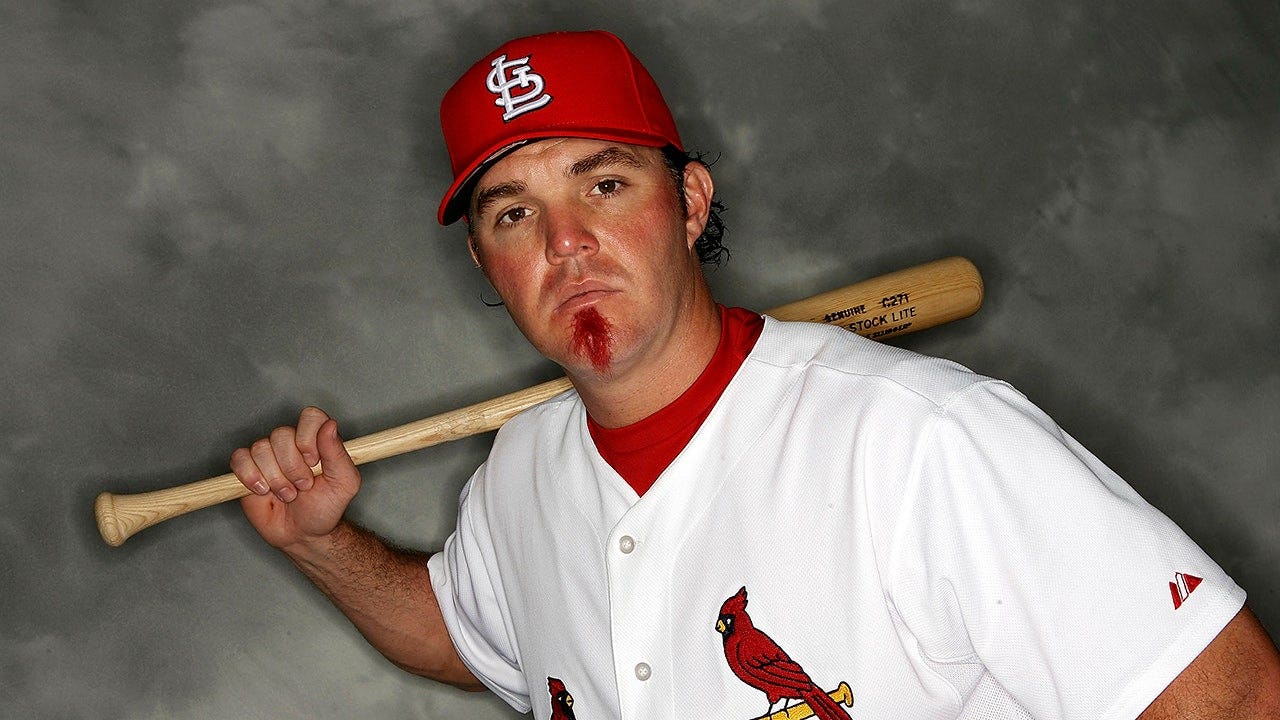
Scott Spiezio’s story has the hard edges this sport likes to pretend don’t exist. A World Series ring, a big-league resume, the kind of October title that gets a man remembered forever — and still, behind all that brass and confetti, the bottom fell out. His liver was failing. Doctors were telling him the odds were ugly. He was staring down the ugly business of getting sober or getting buried.
That’s the part of baseball’s glossy scrapbook nobody wants to keep on the coffee table. The hero shots are easy. The parade clips, the champagne, the hero on the podium with a grin that looks bulletproof. But a lot of these careers end the same way they begin: with a body taking the punishment and a mind trying to outrun it. Spiezio didn’t just have a bad stretch. He had a long, grinding fight with alcohol that nearly cost him his life.
The MRI that turned into a warning light
According to the reporting around his ordeal, Spiezio went in for an MRI in 2018 because of back pain. Normal enough. Routine enough. The sort of medical detour a thousand former athletes take when the playing days are done and the joints start filing complaints. Then he walked out jaundiced. Yellow. A human stop sign.
That’s where this story stops being about aches and starts being about survival. A failing liver does not politely tap you on the shoulder. It comes for the whole machine. In Spiezio’s case, doctors told him he had only a 20% chance to live. That number ought to hit like a punch in the sternum, because it strips away all the old ballplayer mythology. No clubhouse pep talk can muscle through cirrhosis. No title ring bargains with biology.
What makes Spiezio’s case sting is how ordinary the first step looked. Back pain. MRI. Then the body tells on the man.
Why the baseball world keeps producing stories like this
Baseball has always had a soft voice about hard problems. The sport loves to talk about “character” and “grit,” usually when a guy is hitting .310 in June. It gets a lot quieter when the issue is dependency, depression, or the wreckage that can follow a player long after the last crowd has gone home.
Spiezio is part of a long line of former athletes whose public success hid private damage. Some handled fame badly. Some handled pain badly. Plenty handled both badly. The game gives you structure for a while, then takes it away, and not every man adjusts to that silence. A dugout has rules. A road trip has rules. Retirement? Not so much. That’s where the wheels come off for a lot of people.
If you want the broader context, take a look at how other sports keep bumping into the same wall. We’ve seen enough stories about the pressure cooker to know this isn’t just one guy’s mess. The fallout around athletes and their inner circles can spiral fast, whether it’s in the public glare or behind closed doors. The recent noise around DiJonai Carrington and Sophie Cunningham media reaction fallout had its own flavor, but the common thread is plain: sports culture still struggles when human problems stop being neat and photogenic.
A ring doesn’t cancel the wreckage. It just makes the wreckage harder for the crowd to see.
The part nobody claps for: getting sober when you’re already half-broken
Here’s the brutal truth. Quitting drinking is hard for anybody. Quitting when your body is already taking on water is a different animal. Spiezio wasn’t trying to improve a golf swing or extend a fantasy-football career. He was trying to live long enough to see another year.
That changes the math. It changes the dignity of the struggle, too. People love a comeback when it involves a bat, a glove, or a tidy press conference. They get squeamish when it’s about rehab, relapse, and the daily grind of staying clean. But this is the comeback that matters. This is the one that doesn’t show up on highlight reels.
And let’s be honest: the sports world can be downright clumsy talking about addiction. We still wrap too many of these stories in a feel-good bow, like recovery is a neat little three-act play. It isn’t. It’s messier than that. It’s setbacks and fear and shame and the stubborn decision to wake up and do the same hard thing again. Over and over. The old-school guys understood pain. Fewer understood how to talk about what pain does to a man when the stadium lights are off.
What Spiezio’s story really means for baseball
Spiezio is not a cautionary tale in the cheap, preachy sense. He’s a reminder that being a champion and being okay are two very different things. Baseball has always had a sentimental streak about its ex-heroes, especially the ones who came through in October. But sentiment doesn’t pay for treatment. It doesn’t make a family whole. It doesn’t restore a liver.
What it should do is force the sport to keep its eyes open. Not every former player needs a tribute video. Some need a phone call. Some need actual follow-up. Some need the kind of support that doesn’t disappear once the last autograph is signed. The league likes to talk wellness these days, and fine, good. Talk is cheap, but it’s a start. The real test is whether somebody gets help before they turn yellow.
I’ve spent enough years around ballparks to know the truth: the game does not always save the men who give it their best years. Sometimes it helps. Sometimes it delays the fall. And sometimes it just watches while a guy burns down slow. Spiezio’s story lands hard because it’s not rare. It’s just usually hidden.
The long shadow of October glory
There’s a reason this one sticks. October can make a man immortal in a city and invisible in his own house. One swing, one series, one parade, and people think they know you. They don’t. They know the clip.
Spiezio’s fight says more than the old card stats ever could. It says the body remembers every abuse. It says fame is flimsy. It says addiction doesn’t care what you did in the ninth inning of a title game. And it says survival, plain and simple, is a hell of a lot harder than celebration.
That’s the part worth keeping. Not the myth. The truth.
Spiezio lived long enough to get another shot, and that alone is no small thing. The rest of us ought to pay attention while he’s telling us what it cost him.
More from Straight From The Bench
Comments
Join the conversation — sign in to leave a comment.
Sign in to commentRelated Stories
Rainiers vs. Aviators: 8-5 Final Score Breakdown
Seattle’s affiliate found its offense at the right time and turned a tight night into an 8-5 finish. The box score tells part of it; the pressure moments tell the rest.
Padres vs Astros: Home Run Barrage Powers Series Win
Jackson Merrill, Fernando Tatis Jr., Gavin Sheets and Austin Hays all went deep as the Padres rolled past the Astros. San Diego kept pace in the standings and sent a message with some real muscle.

White Sox vs Guardians: Water, walks, and a small victory
The White Sox took a 5-3 win over Cleveland in a game built on patience, leaks, and just enough survival. For a club searching for any sturdy ground, that mattered.