
DiJonai Carrington and Sophie Cunningham: media reaction fallout
The foul was ugly. The coverage around it was uglier.
 Zane Miller6 min read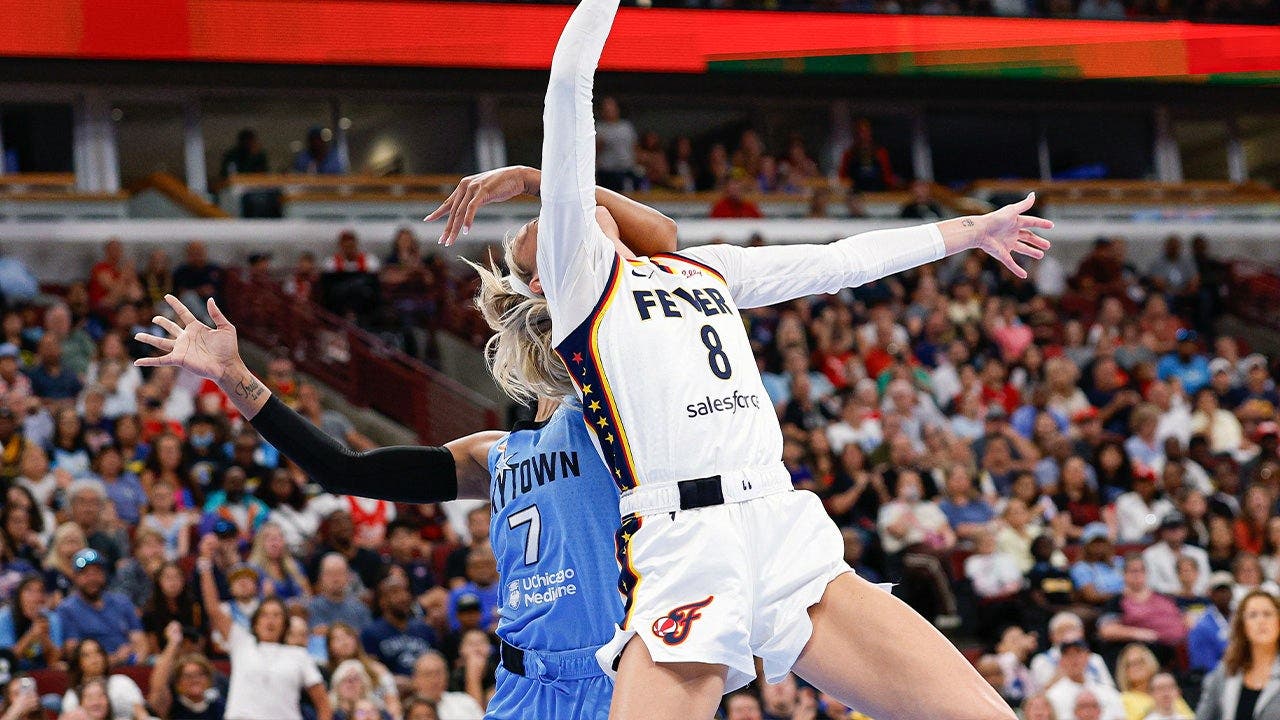
DiJonai Carrington’s flagrant foul on Sophie Cunningham was the kind of moment the league can’t just wish away. It was physical, it was heated, and once the ejection hit, the possession stopped being about one play and became about everything around it. That’s the modern sports-media loop in a nutshell: one bad sequence, instant ideology, and a thousand people pretending they’re surprised by the discourse.
The on-court part is simple enough. DiJonai Carrington got tossed after a violent-looking play on Sophie Cunningham, and the clip did what clips do now. It flew everywhere. The postgame reaction, though, is where this got messy. Carrington’s locker-room “white privilege” post didn’t just pour gasoline on the moment — it changed the frame. From there, the conversation stopped being about whether the foul crossed the line and started spiraling into who gets protected, who gets labeled, and who gets the benefit of the doubt when the noise starts.
The foul was the spark. The framing is the fire
There’s no real debate that the play deserved attention. In a league built on pace, spacing, and increasingly polished shot-making, a clothesline-type hit stands out immediately because it looks personal. It feels personal. That’s why it traveled.
But the media reaction has now become the main event, and that’s the uncomfortable truth here. A lot of coverage now works like a slot machine: outrage in, outrage out. The moment hits social media, and suddenly everyone is speaking in the language of moral certainty. Some of that is legitimate. Some of it is performative. And some of it is people rushing to pick a side before they’ve even sat with what actually happened.
That’s not new. What’s new is the speed and the certainty. The league has always had edge, rivalry, and retaliation. What it didn’t used to have was every angle being clipped, captioned, and turned into a thesis before the officials even make it back to the scorer’s table.
Why this landed harder than a normal flagrant
Carrington is not just another player in a vacuum. She’s an emotional, aggressive defender who plays on the edge by design. Cunningham has her own reputation as the kind of player who will absolutely sell the moment and make you deal with the fallout. Put those profiles together, and you already have a combustible situation before race even enters the chat.
Then race entered the chat.
That’s where the story expanded beyond basketball. Once “white privilege” got posted from the locker room, people were never going to talk about this like a routine discipline issue. Every fanbase, every pundit class, every social-media lane brought its own script. And sports media — the polished, polished-by-algorithm version of it — did what it does best now: overcorrect, pick a lane, and call the result nuance.
If you want the blunt read, the coverage around this is exposing how thin a lot of sports commentary has become. Too many people are better at performing a take than explaining a context. They know how to summon heat. They don’t always know how to hold it.
The foul was one play. The reaction told you a lot more about the ecosystem.
Why the league should care even if the debate keeps drifting
The WNBA has spent years fighting for broader attention, and attention is finally here. Of course this is the version of attention it gets: loud, reactive, and distorted by people who only show up when there’s a fight to narrate.
That matters because the league is still building its national identity in real time. Every viral moment becomes part of the public record, fair or unfair. If the conversation keeps getting reduced to imported outrage and lazy tribalism, the actual basketball loses. And the players lose too, because the labels stick longer than the clips.
This is where the league office, broadcasters, and even team PR departments have to be smarter than the average feed. Not softer. Smarter. Discipline matters. So does context. So does being precise about what happened instead of letting the internet write the first draft every single time.
If you want a broader sports parallel, look at how international issues can get flattened when everyone starts shouting before they’re listening. We’ve seen it across soccer, too — including the way power, politics, and optics get mashed together until the actual competition barely survives the discourse. I wrote recently about the politics and heat around global tournament expansion in FIFA World Cup plans, and the same basic media failure shows up here: people love the argument more than the explanation.
My read: this is about credibility, not just conduct
Here’s where I land. Carrington’s foul was reckless enough to deserve the backlash. Full stop. But the oxygen around this story got consumed by people who didn’t want a basketball conversation — they wanted a culture war with a box score attached.
That’s why this feels so toxic. Not because the league has too much passion. Because the commentary class has too little restraint. The second a player makes a charged gesture or says something inflammatory, everybody is suddenly an expert in motive, history, and sociology. The second somebody pushes back, the same crowd pretends it was all about preserving civil discourse.
I’ve covered enough of these flashpoint moments to know the pattern. The player gets punished, the timeline gets fed, and the broader issue gets diluted into content. Then everybody moves on until the next clip. What lingers is the distrust: fans don’t believe the media, players don’t believe the coverage, and the loudest voices mistake reach for authority.
And yes, there’s a gendered layer to this, too. Women’s sports still get treated like they’re always on trial for basic legitimacy, which makes every ugly moment easier to weaponize. That’s the part people keep skipping. This isn’t just a foul and a bad post. It’s a snapshot of how quickly women’s basketball gets dragged into conversations it didn’t start but is always forced to carry.
What to watch next
The next move is not complicated. The league needs to handle the discipline cleanly, then let the basketball breathe. Carrington’s next few games will be watched like a referendum. Cunningham’s response, if any, will be watched even harder. And the media machine will keep doing what it does — amplifying the loudest version of every argument.
If this story teaches anything, it’s that the sport itself is often the smallest part of the story once the internet gets involved. The real test now is whether anybody in the ecosystem has the discipline to talk about the play without turning it into a costume for their own agenda.
That next whistle is coming fast. The only question is whether anyone learned anything before it does.
More from Straight From The Bench
Comments
Join the conversation — sign in to leave a comment.
Sign in to commentRelated Stories
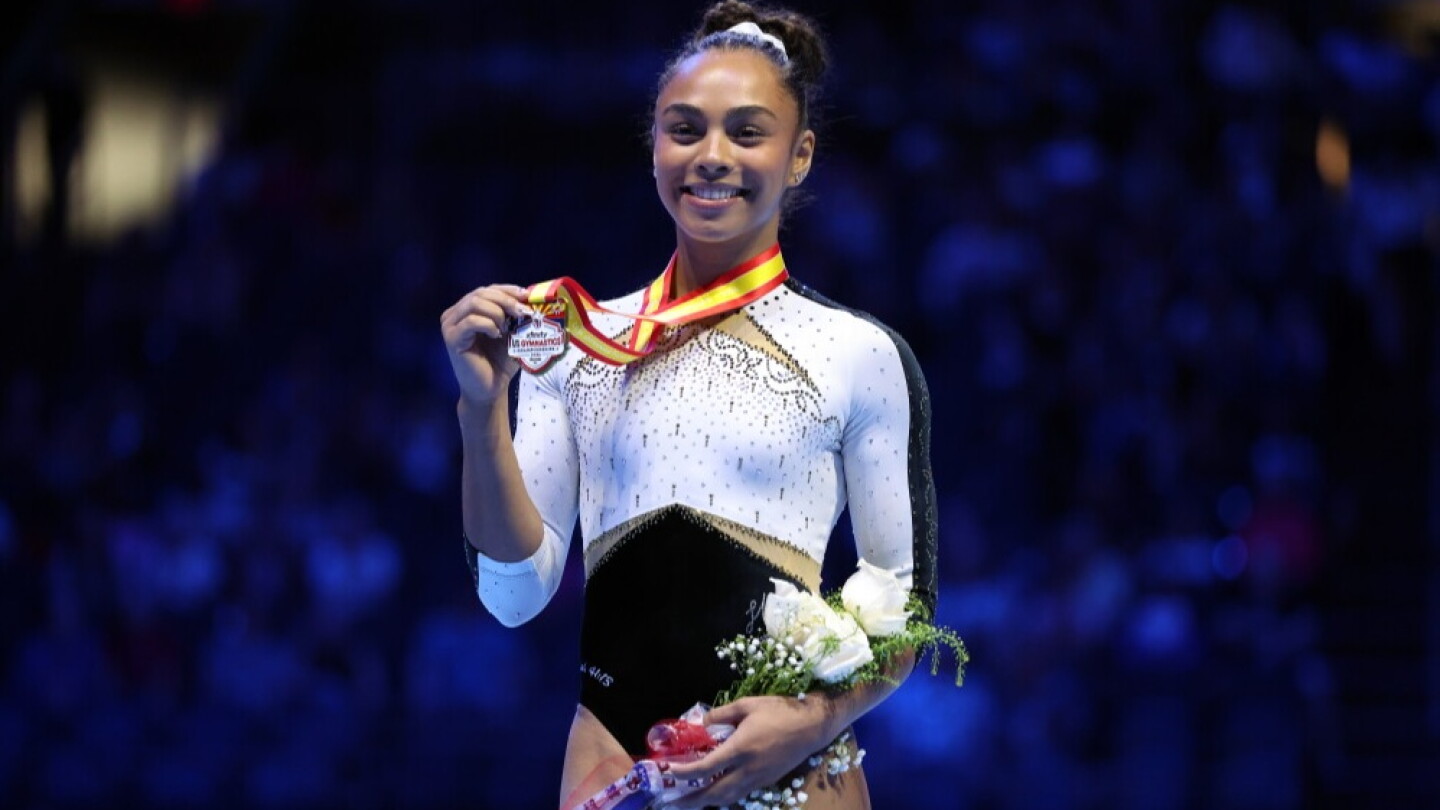
Hezly Rivera all-around gymnastics champion: historic comeback
Hezly Rivera’s repeat national title is more than a score line. It is a signal that the teenager who once stood in the shadow of louder names is becoming the beam in America’s next Olympic rebuild.
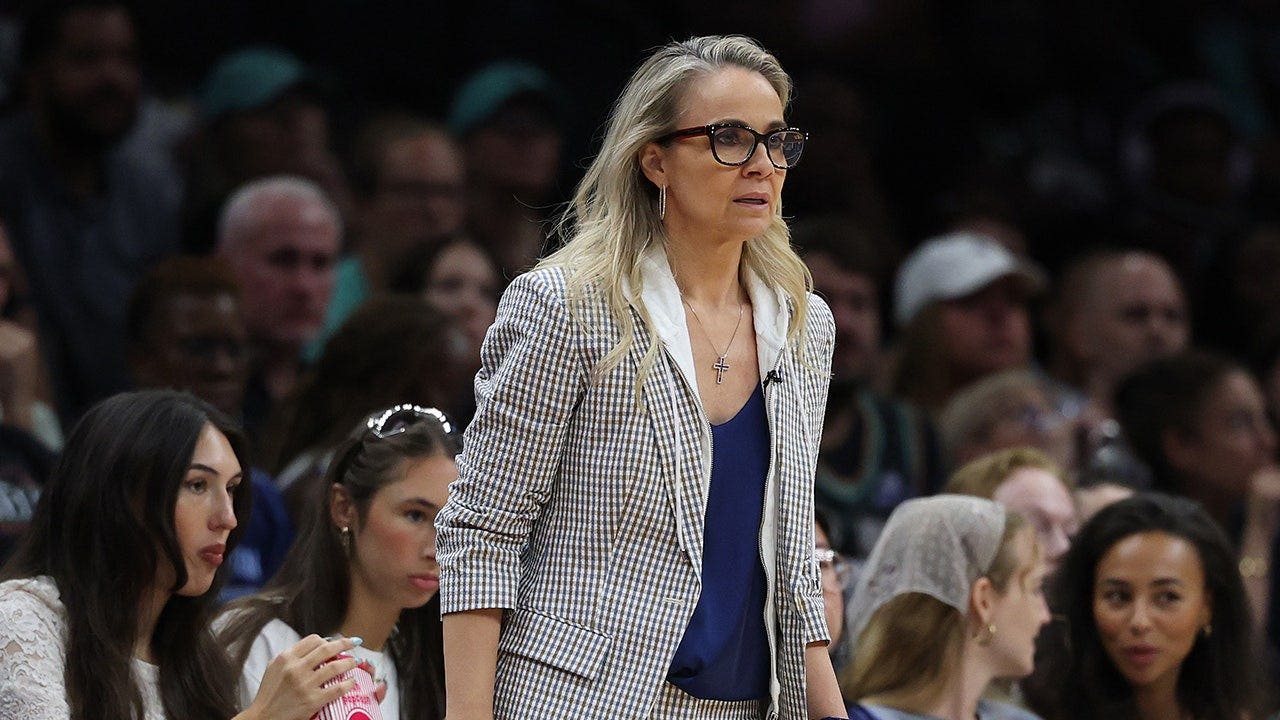
Aces Coach Becky Hammon Benches Starters in Liberty Game
Becky Hammon sat three starters, including A'ja Wilson, in a national TV game against the Liberty. The message was loud: the schedule is asking too much.
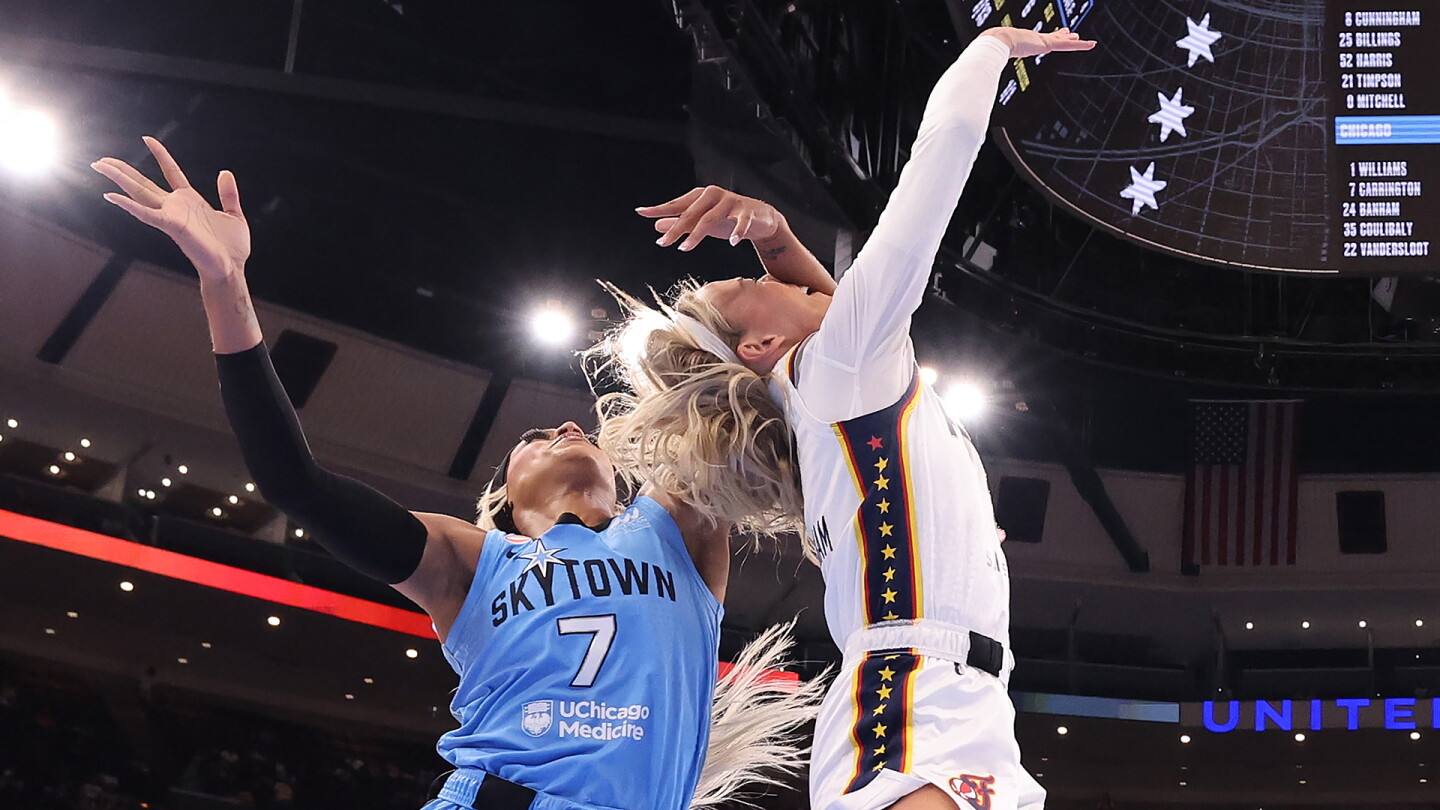
WNBA narratives: Sue Bird and Cheryl Miller on Sophie Cunningham
Sue Bird and Cheryl Miller didn’t just react to one foul. They cut straight into the WNBA’s wider narrative machine — and who gets protected by it.