
WNBA narratives: Sue Bird and Cheryl Miller on Sophie Cunningham
The call got loud. The bigger conversation got louder.
 Zane Miller5 min read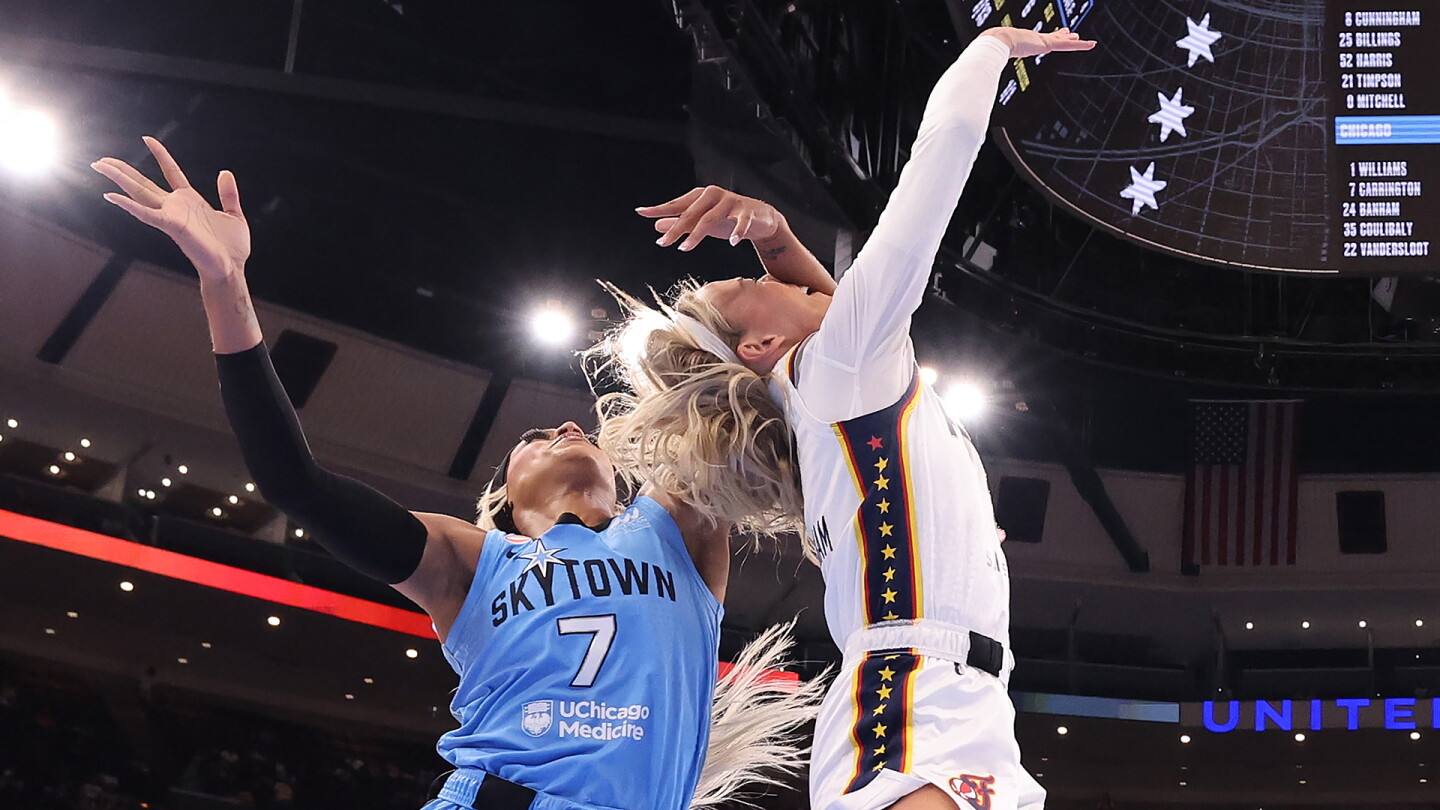
Saturday night’s Chicago Sky–Indiana Fever game handed the league another one of those clipped, combustible moments that instantly outgrows the box score. DiJonai Carrington was ejected after a Flagrant 2 on Sophie Cunningham, and the call did what these things always do now: it detonated online, pulled in the usual armies, and turned one play into a referendum on tone, intent, and who gets the benefit of the doubt.
What made this one matter wasn’t just the foul. It was who stepped into the conversation afterward. Sue Bird and Cheryl Miller — two Hall of Famers, two women who’ve lived through every version of “the league is too physical,” “the league is too soft,” and “the league is about to break through” — weighed in on the narratives building around the incident. That’s the part worth paying attention to. Not the outrage cycle. The framing.
The foul was real. The pile-on was louder.
A Flagrant 2 is not a gray-area whistle. It’s the league saying the action crossed a line. Full stop. Once that call hits, everybody else starts freelancing. Fans clip, post, re-post, and suddenly the actual basketball is buried under motives assigned by people who didn’t have to make the play at full speed.
Carrington’s ejection became a lightning rod because Cunningham is already one of those players who pulls more emotion than her stat line usually does. She plays with an edge, talks with one, too, and that changes the way opponents, teammates, and viewers process contact around her. That doesn’t mean every hit on her is theater. It means every hit on her gets filtered through a louder lens.
This is where the league’s new visibility cuts both ways. Bigger audience. Bigger heat. Bigger desire to turn every physical sequence into identity politics with a box score attached.
Bird and Miller know this movie
Bird and Miller are not casual observers here. Bird spent a career in the modern media era, where every possession can become a debate show. Miller has seen women’s basketball from the days when the argument was whether people would even watch to a moment where the argument is how much of the sport gets swallowed by off-court noise.
That’s why their insight matters. They’re not reacting like content creators chasing the next viral angle. They understand the rhythm of a league that has always had to defend its legitimacy while also defending its physicality.
The WNBA is growing fast, and growth always brings two things: more money and more misunderstanding. More money means more attention from people who only show up when there’s a flashpoint. More misunderstanding means the loudest takes often come from people who don’t know the difference between hard defense and dirty play.
The foul was one moment. The reaction exposed the league’s bigger problem: everybody wants the WNBA to be fierce, but not too fierce.
That line sits at the center of this whole thing. Fans want edge. Networks want storylines. Social feeds want villains and victims. But players live in the middle of it, and they pay the price when the discourse strips away context.
If you want a parallel, look at how physicality gets treated in every league once the audience scales up. The game doesn’t suddenly become softer. The camera just gets closer. And once that happens, every collision becomes a test case.
Sophie Cunningham, the Fever lens, and the narrative economy
Cunningham is the perfect example of how one player can become a narrative anchor. The Fever are still one of the most watched teams in the league because of the Caitlin Clark effect, and that means every teammate, every opponent, every hard screen and every stare gets magnified.
That’s not a conspiracy. It’s the market.
If you’re the league office, you love the attention until the attention starts defining the product in ways you can’t control. If you’re a coach, you’re trying to keep your players from playing into the noise. If you’re an opponent, you know one hard foul can turn you into the villain of the week even if you’ve played 30 hard but legal minutes.
And if you’re the Fever, you live in a fishbowl where every physical sequence around Clark or Cunningham gets treated like it has postseason implications. That’s just reality now. Some of it is earned. Some of it is pure internet fuel.
That’s why the Carrington-Cunningham sequence landed so loudly. It touched the league’s hottest storyline ecosystem: the Fever, the chatter around physical play, and the constant debate over whether the WNBA gets judged by the same standards as everyone else.
What this says about the league right now
I’ve said this for a while: the WNBA’s next stage of growth won’t just be about ratings or arenas or sponsorships. It’ll be about narrative control. Who gets to define the moment. Who gets to frame the clip. Who gets flattened into a meme and who gets treated like a person playing a brutal, highly skilled game.
That’s the real tension here. Not whether people should care. They should. Not whether the league should have standards. It should. The issue is that once a play becomes viral, the basketball usually loses.
Bird and Miller are useful in these moments because they can pull the conversation back toward the actual sport. They’ve lived the long arc. They know what gets said about women’s basketball when it’s gaining ground and what gets said when people are looking for a shortcut to controversy. That perspective is valuable because the current media climate rewards the opposite: instant certainty, no context, maximum heat.
If the league wants to keep this moment of growth, it has to survive these viral storms without letting every one of them become the identity of the product.
The next whistle will tell us plenty
This story doesn’t end with one ejection or one broadcast segment. The next physical game will tell you a lot about whether players are adjusting, whether officials are tightening up, and whether the discourse has learned anything at all.
My guess? It hasn’t. Not yet.
The smart money says the WNBA keeps getting bigger, louder, and more scrutinized. The less smart money says the loudest people are speaking for the whole league. They aren’t. The basketball is still the basketball. The noise just finally has a bigger stage.
More from Straight From The Bench
Comments
Join the conversation — sign in to leave a comment.
Sign in to commentRelated Stories
Hezly Rivera all-around gymnastics champion: historic comeback
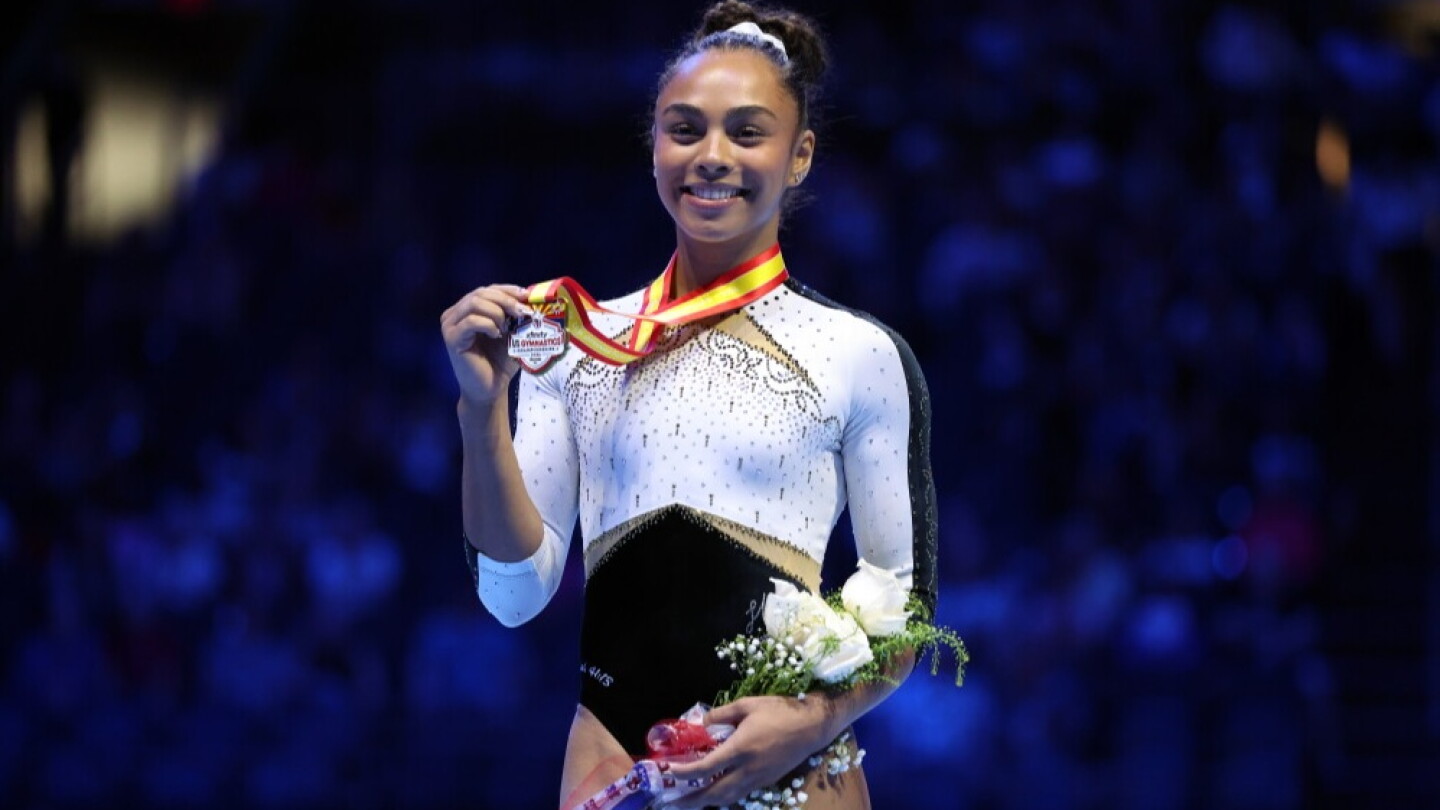
Hezly Rivera’s repeat national title is more than a score line. It is a signal that the teenager who once stood in the shadow of louder names is becoming the beam in America’s next Olympic rebuild.
Aces Coach Becky Hammon Benches Starters in Liberty Game
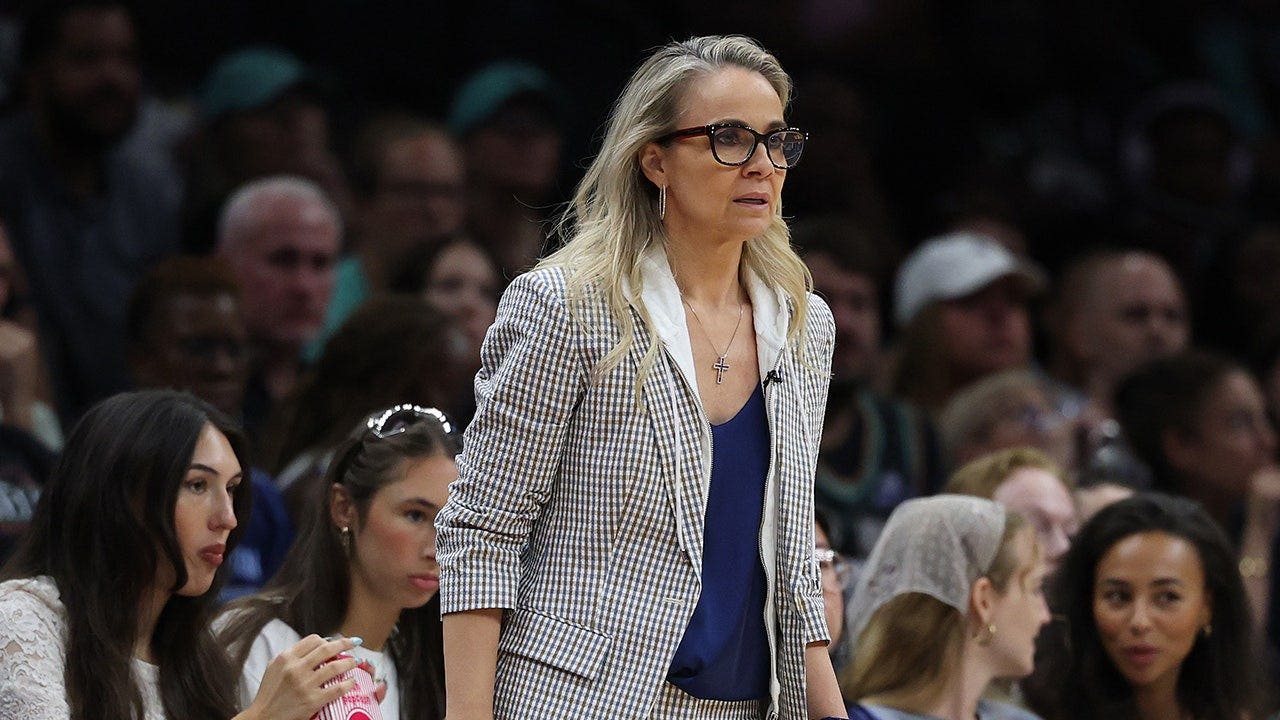
Becky Hammon sat three starters, including A'ja Wilson, in a national TV game against the Liberty. The message was loud: the schedule is asking too much.
Trump Patriot Games: Athletic Pageant Turns into MAGA Theater
A showcase meant to celebrate young athletes has curdled into political theater. The real story is not the spectacle, but the people asked to perform inside it.