
NFL Replay Challenges: Coaches Can Now Delegate the Trigger
A small rule tweak, a big sideline exhale.
 Leo Lupo6 min read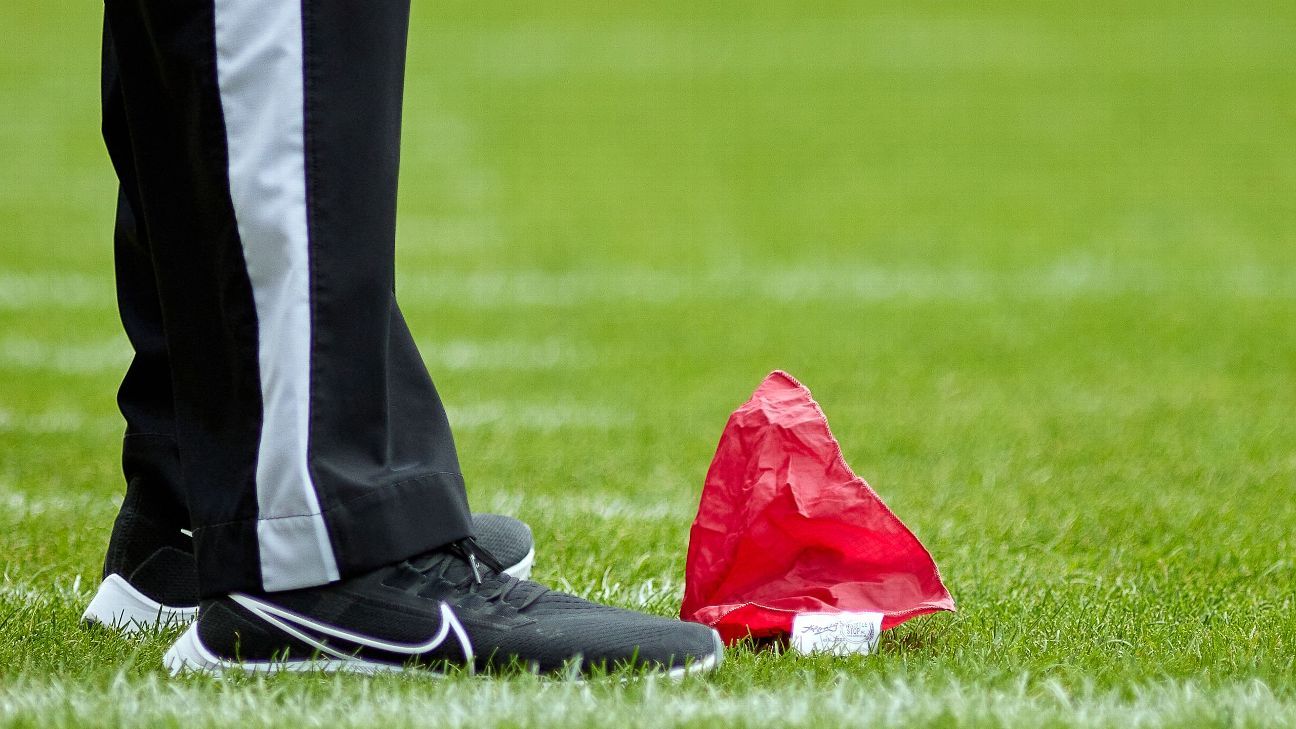
The NFL has spent decades pretending the sideline is a model of calm. It isn’t. It’s a furnace with headsets. So when the league decides to let a head coach name somebody else to trigger replay challenges, that’s not just a bureaucratic footnote. That’s the NFL admitting the obvious: one pair of eyes, one pair of hands, and one pair of lungs is not always enough when the game is moving like a drunk pickup in November.
This is a small rule change on paper. On grass, it could save a team a timeout, prevent a missed challenge, and cut down on the kind of sideline panic that has always made coaches look like they’re trying to shoo a hornet off a picnic table. The head coach still owns the decision. That part doesn’t move. But now he can hand the trigger to a trusted staffer and keep his focus where it belongs — on the next snap, the next call, the next mistake waiting around the corner.
A sideline fix for a problem everybody already knew
The NFL has long treated replay like some sacred little machine, when half the time it runs on guesswork and gut feel. A coach has to spot the moment, process the angle, trust the booth chatter, and decide whether to throw the flag before the whole thing slips away. Easy work if you’re sitting at home with three screens and a pizza. Not so easy when you’re trying to manage 70 men, a headset full of noise, and a game clock that never forgives.
Giving a designated staffer the ability to initiate the challenge is not some radical modernization. It’s common sense finally wearing a tie. The league has been inching toward this kind of cleanup for years, the same way it slowly corrected other bits of game administration that made football look clunkier than it had to be. If you want the sport to feel fast on television and fair on the field, you can’t keep loading all the decision-making onto one man already buried under a hundred other fires.
Why this matters for coaches, not just rules nerds
The immediate winner here is the head coach who trusts his staff. That means the sharp assistants — the guys with the charting, the angles, the headset discipline — can do something useful besides standing there like expensive furniture. It also means a coach doesn’t have to be the only person on the sideline responsible for catching a heel on the sideline, a toe tap, a loose ball, or whatever microscopic bit of evidence decides a game in the fourth quarter.
This also changes the texture of the sideline. The best teams already operate like small businesses with a chain of command. The sloppier ones, and there are always a few, will probably find a way to turn this into another source of confusion. That’s the catch. A delegation rule only helps if the coach knows exactly who his eyes and ears are. If he hands the job to some random assistant because he didn’t want to make the hard choice, then he’s just outsourcing the mess.
You can hear the argument from the old guard already. "If the coach wants it bad enough, he should see it himself." Sure. And if linemen could all move like ballet dancers, nobody would need guards. Football has always been about assigning the right man to the right job. This is just that idea, with a replay monitor attached.
The NFL keeps sanding down the rough edges
The league’s been trying for years to make the game cleaner without making it feel like it was assembled in a lab. Sometimes it succeeds. Sometimes it produces another mess and a few grudging pats on the back. But this move sits in the practical column. It doesn’t rewrite strategy. It doesn’t hand out new powers. It just recognizes that in a sport obsessed with precision, the process for getting to a replay decision should probably not depend on one exhausted coach squinting at a bench tablet while three assistants yell over one another.
If you want the bigger picture, it’s this: the NFL is still trying to balance speed, fairness, and television without making the sport look like it’s run by accountants. Replay has always been a compromise. Fans want the right call. Coaches want to protect their timeouts. Players want the next snap to come already, and officials want to survive the afternoon. Letting a designated staffer hit the challenge trigger is the kind of adjustment that says the league finally noticed how games are actually being managed.
Football runs better when the people closest to the evidence are allowed to act fast — not when the head coach has to be the only adult in the room.
Leo Lupo’s take: this is smarter than it sounds
I’ve watched enough games from cold press boxes and damp sidelines to know this much: the people making these rules often discover the truth about football about ten years after everybody else does. This one feels late, but not too late. The best coaches already build systems around delegation. The bad ones cling to control like it’s a personality trait. That’s where this rule gets interesting.
My read? The smart staffs are about to get a little sharper, and the scattershot ones are about to expose themselves even more. If a coach has a disciplined replay assistant — someone who knows the situation, the clock, the tendencies, and the difference between a maybe and a must-have — he’ll steal a few valuable moments over the course of a season. That’s not glamorous. It’s not a parade down Broad Street. But one saved timeout in the fourth quarter can be the difference between a first down and a sorry explanation on Monday.
It also says something about where the NFL is now. This league loves to sell itself as precision football, but the machinery has always been a little more hand-me-down than the branding suggests. So every now and then, they patch a leak with a sensible rule instead of a flourish. Good. Football doesn’t need more theater in its process. It needs fewer stupid little delays and fewer coaches standing there looking like the game got away from them while they were still arguing with the tablet.
For teams that are already organized, this is a tiny edge. For everyone else, it’s one more excuse gone.
The new setup won’t make replay glamorous. Nothing short of divine intervention could do that. But it should make the process cleaner, and that’s enough for now. The smart clubs will treat it like a tool. The rest will treat it like a crutch. By December, you’ll know which is which.
More from Straight From The Bench
Comments
Join the conversation — sign in to leave a comment.
Sign in to commentRelated Stories

49ers Kyle Shanahan Tesla Crash: Autopilot and Responsibility
Kyle Shanahan says his Tesla was on Autopilot when he reached for a dropped phone and crashed. The damage is physical, but the larger warning is cultural.
Don Nelson Death: NBA Mourns Coaching Icon and Innovator
Don Nelson’s death closes the book on one of basketball’s most influential minds. The NBA isn’t just remembering wins — it’s remembering the way he rewired the game.

Lions Cade Mays Injury Update: Detroit Loses Key Center
Detroit brought Cade Mays in to steady the middle of its offensive line. Now the Lions must patch a fragile spot and hope the injury news does not linger into the grind ahead.