
Don Nelson obituary: NBA coaching icon and Mavericks pioneer dies at 86
He bent the league toward invention, and Dallas still lives in the shape of his daring.
 Beatrice Kensington5 min read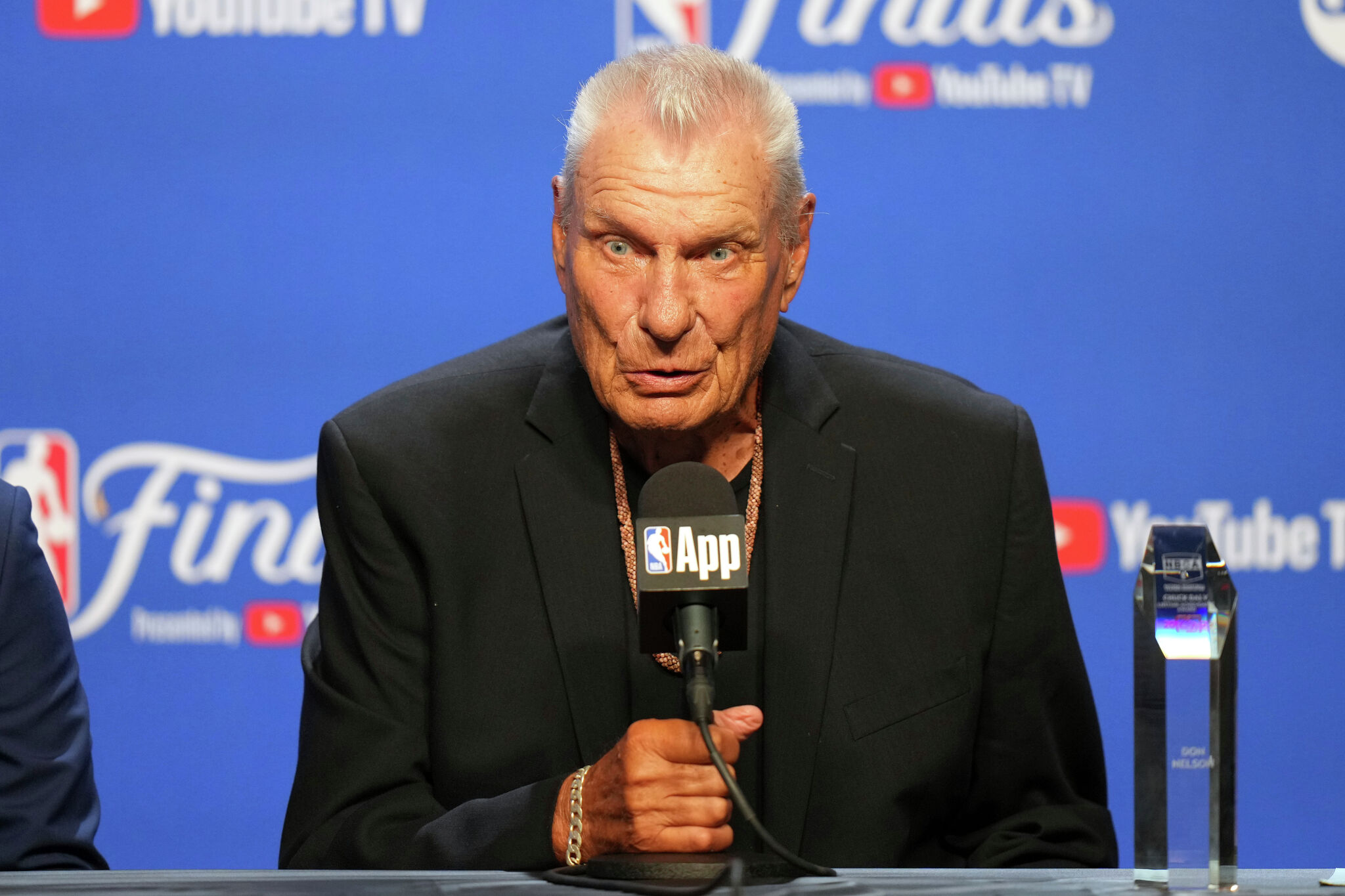
Don Nelson’s death at 86 closes the book on one of the NBA’s most unruly and imaginative lives, the kind that left fingerprints on eras rather than just box scores. In Dallas, his name will forever be tied to 339 wins, but numbers alone flatten the story. Nelson was a basketball contrarian with a gambler’s nerve and a craftsman’s eye, the sort of coach who looked at the game’s established order and reached for a wrench.
He did not merely coach the Dallas Mavericks. He helped teach them how to think about the future.
The Mavericks years and the shape of a franchise
Nelson arrived in Dallas in the 1990s and inherited a franchise still trying to figure out its own face in a city that would come to demand urgency, style and results all at once. The Mavericks of that period were not yet the polished, polished-glass version of the team that later chased titles and built a global identity. They were being assembled in real time, sometimes awkwardly, often boldly. Nelson made peace with that messiness. He had no interest in timid roster building.
His coaching record in Dallas matters because it was produced in a room where the walls were still being hung. Those 339 wins were not accidental; they were the product of a man who trusted offensive creativity, positional discomfort and the occasional willingness to let the old guard squirm. Nelson saw basketball as something alive, not sacred. If the league had a rulebook, he was interested in the edges.
That approach made him both revered and, at times, impossible. Great builders often are.
The 1998 draft night that changed everything
If Dallas wants to locate the single most consequential swing of Nelson’s tenure, it is hard to look past 1998, when he helped secure Dirk Nowitzki and Steve Nash. That night now reads like fate with a scouting report attached. Two future Naismith Hall of Famers. Two players who would shape the next generation of offensive basketball. Two bets that required more imagination than certainty.
Those moves were not the product of clairvoyance so much as conviction. Nelson understood something that too many front offices miss: the draft is not a ceremony for confirming what everyone already believes. It is an argument with the future. Nowitzki’s size, skill and perimeter touch made old categories feel suddenly flimsy. Nash’s brain and pace gave the league a glimpse of what a modern creator could be before the language around “spacing” and “tempo” became church doctrine.
Dallas fans remember the titles and the heartbreaks, the long climb and the later triumph. They should also remember the architect’s instinct that made room for both men in the first place.
Don Nelson did not just chase wins; he chased basketball’s next argument.
A coach who made discomfort look like strategy
Nelson’s place in NBA history is inseparable from his refusal to treat orthodoxy as a commandment. He was the sort of coach who could move a player to a new spot, change the shape of a lineup and invite everyone else to catch up. His teams often felt a little ahead of their time and a little unfinished around the edges, which is sometimes the price of innovation. Clean systems are comforting. Explosive ideas are messier.
The league eventually became more like Nelson’s instincts than the other way around. Big men learned to pass and shoot. Guards were asked to improvise with more freedom. Coaches stopped pretending that one template could fit every roster. The NBA’s modern variety—the pace, the five-out spacing, the blurring of roles—did not come from Nelson alone. But he belongs in the same bloodstream.
That is why his legacy is larger than a Dallas roll call or a trophy case. He helped normalize the idea that a coach could be a sculptor, not just a manager. He made experimentation look like competence.
What this loss means for Dallas and for the league
There is a reason tributes to Nelson will sound less like obituary language and more like testimony. Coaches of his kind do not simply rack up victories; they leave behind a way of seeing. In Dallas, that way of seeing eventually became part of the franchise’s self-image: bold when others wanted cautious, willing to take a name on upside, comfortable with a little aesthetic risk.
I have always believed the league remembers its true radicals late, once their ideas have been absorbed into the water supply. Nelson fits that pattern neatly. The NBA celebrates innovation now in the abstract, as if it arrived naturally, but every era has its stubborners, its people willing to look foolish for the possibility of being early. Nelson was one of them. He was not always easy to love from afar, and I suspect he would have found that judgment a little quaint. He was, instead, worth arguing with. That is usually the better measure.
The passage of time has a habit of sanding down the rough edges of coaches into legend. Nelson’s rough edges were part of the point. They made the work honest.
The memory Dallas keeps
There will be ceremonies, of course, and deservedly so. There should also be gratitude for the franchise-building instinct that helped point Dallas toward a more ambitious future. The Mavericks have lived through distinct ages, but Nelson’s shadow still falls over the most important one: the moment the team stopped merely existing and started reaching.
His death also arrives as a reminder that the league’s history is not just made by champions. It is made by the people who widen the possibilities for everyone else. Nelson did that in NBA history, in Dallas, and in the careers of players who came after him and benefited from the roads he helped open.
The league will keep moving, as it always does. But a certain kind of coach, the kind who trusted invention over caution, just lost one of its defining voices. Dallas will feel that absence for a long time.
And somewhere, on some draft board, there is still a little of Don Nelson’s restless hand at work.
More from Straight From The Bench
Comments
Join the conversation — sign in to leave a comment.
Sign in to commentRelated Stories
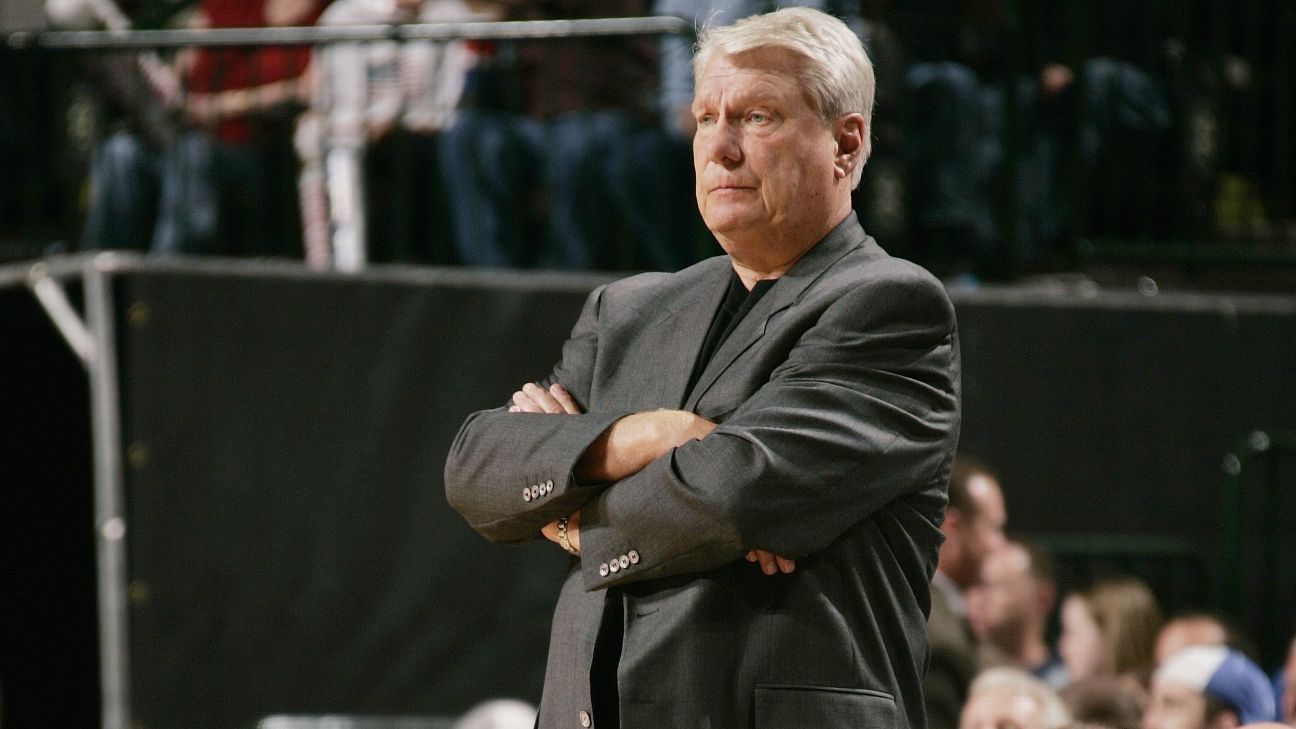
Don Nelson obituary: NBA coaching icon and pioneer dies at 86
Don Nelson was never merely a coach. He was a disruptor, a stylist, and for decades one of basketball’s most restless minds.

Indiana Fever vs Chicago Sky: Kelsey Mitchell Leads 90-86 Win
Indiana snapped back with a four-point rivalry win over Chicago. Kelsey Mitchell and Caitlin Clark drove the pace, and the Fever needed every bit of it.
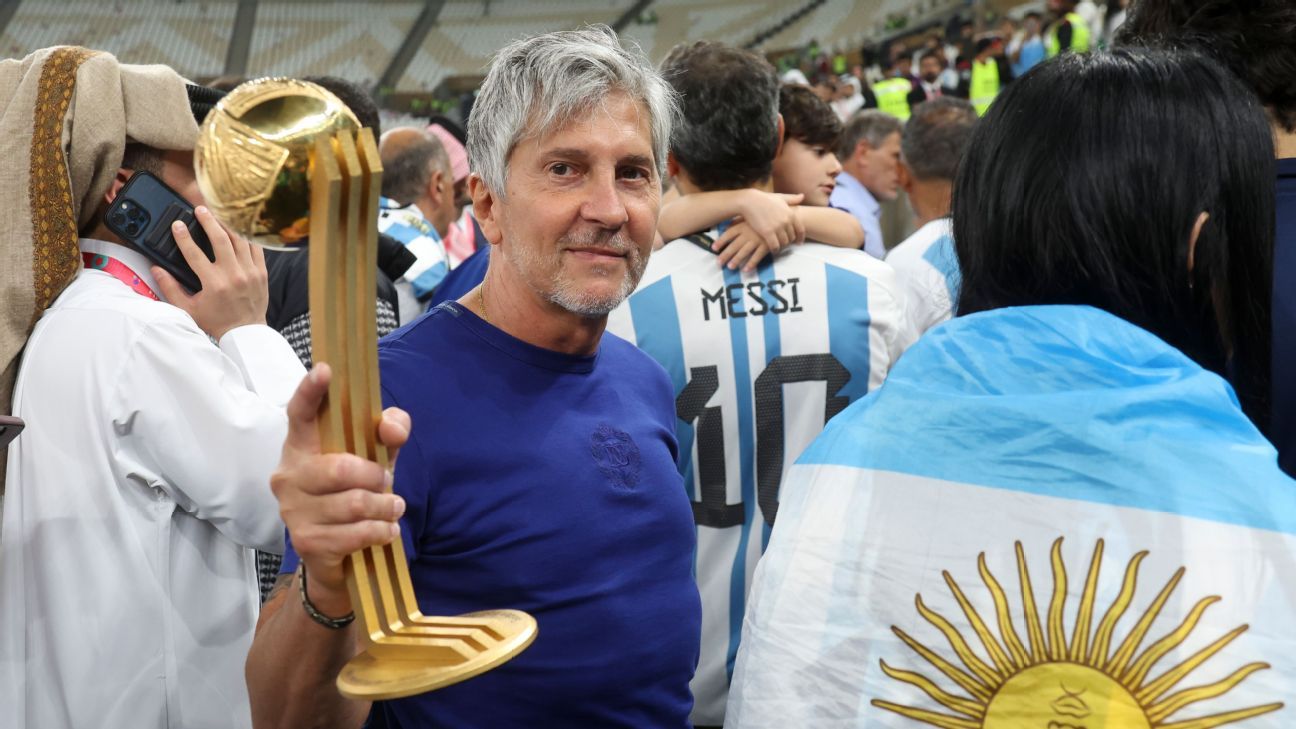
Lionel Messi Father Death: Jorge Messi Dies at 68
Jorge Messi, Lionel Messi’s father, has died at 68 in Rosario. The football world will pause, but the family’s grief comes first.