
Lionel Messi Father Death: Jorge Messi Dies at 68
A private loss lands hard on a global public figure.
 Zane Miller5 min read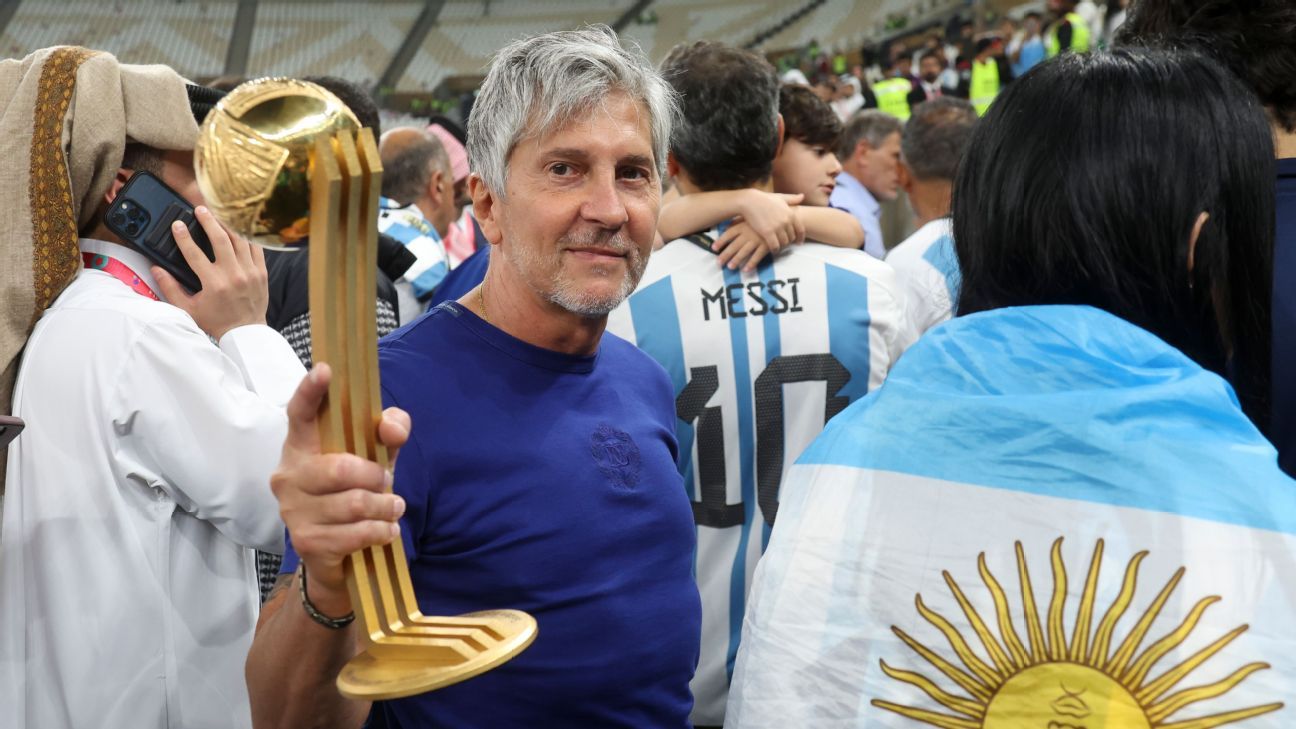
Inter Miami just lost the most important person in Lionel Messi’s orbit, and the timing cuts deep. Jorge Messi, 68, died Saturday in Rosario, the city that shaped the family long before the trophies, the transfer frenzy, and the permanent glare that follows Lionel everywhere he goes.
This is not a football story in the usual sense. It is a family story with football attached to it, and that’s the part people sometimes forget when the biggest star on the planet moves through a season like a headline machine. For Lionel Messi, whose every step in Soccer has been dissected from FC Barcelona to Paris Saint-Germain to Inter Miami CF, Jorge was never just a name in the background. He was one of the builders.
The Messi family has always been the real engine
If you’ve followed Messi’s rise long enough, you know the family structure was never window dressing. Jorge helped manage the early chaos, the travel, the decisions, the business, the pressure that comes with a child who starts separating himself from everyone else before he’s old enough to drive.
That matters because football families at this level are often treated like footnotes. They’re not. They are the gatekeepers, the buffer, the people absorbing the noise while the player does the work. Jorge Messi lived in that role for decades, and there’s no overstating how much emotional and practical weight that carries when the subject is one of the most scrutinized athletes in sports history.
The reaction now will be immediate and universal. Players, clubs, agents, old teammates, the whole Messi network will move fast with condolences. That’s the easy part. The harder part is recognizing that for Lionel, this is bigger than any matchday, bigger than any standings race, bigger than the next MLS spotlight weekend in South Florida.
What this means for Inter Miami and Argentina
Inter Miami’s front office understands the reality here. This is personal leave territory, not roster politics. There’s no tactical wrinkle to spin from it, no way to dress it up as a competitive edge. The only sensible move is space, support, and silence unless Messi or the family choose otherwise.
For Argentina, the emotional layer hits just as hard. Messi’s international legacy is already sealed, but the national team bond around him has always been unusually human. This group has watched him carry enormous weight, and they know when the football calendar should stop pretending to be the most important thing in the room.
This also lands in a sport where elite players are increasingly expected to remain available, perform publicly, and keep the content train moving no matter what’s happening privately. That’s the modern machine. But even football’s biggest money era still has a hard stop when life does what it does.
The game will keep rolling. For Messi, it shouldn’t be expected to matter for a while.
Why the football business will handle this differently than the fans do
The fans respond with emotion, as they should. The industry responds with protocol. Clubs, sponsors, league offices, and agents all know how to handle a death in the family at the superstar level: keep communication clean, avoid overreaching, don’t manufacture a narrative.
That sounds cold, but it’s actually respect. Messi does not need brand language right now. He needs the same thing anyone else does when a parent dies: room to breathe, room to travel, room to decide what the next few days look like without the whole planet treating it like a schedule item.
I’ve covered enough of these moments to know the public always thinks about return dates too soon. Don’t. The smartest organizations understand that a generational player is still a son. And when the man in the middle of the storm loses his father, the correct move is to stop measuring the emotional timeline against the fixture list.
That’s the part people in the sport business sometimes get wrong. They can calculate cap hits, transfer fees, image-rights value, and revenue spikes in their sleep. But grief is not a spreadsheet.
Messi’s legacy now carries a more personal shadow
There’s a reason Jorge Messi’s death resonates beyond the family circle. Lionel’s career has always felt like it belonged to the public, but the foundations were private. The early sacrifices in Rosario, the relocation, the medical uncertainty, the sacrifices that never make the highlight reel — that was a family operation.
So when people talk about Messi’s place in football history, this moment adds a different layer. Not a trophy layer. A human one. The kid from Rosario who became a global icon still lived inside a family, and that family just lost its anchor.
My read: don’t expect football to become the story here for a bit, and it shouldn’t. Messi has spent two decades being the center of the sport’s gravitational pull. Right now, he gets to be something much simpler and much harder — a son dealing with a loss that no career milestone can soften. The clubs, the league, the national team, the sponsors — all of them can wait.
The next public Messi appearance will matter less for what he does on the ball than for whether he even chooses to step into view. That’s where this sits now. Not in a tactical boardroom. Not on a stat sheet. In Rosario, in a family’s mourning, and in the silence that follows when the sport finally knows to shut up for a minute.
Expect the tributes to keep coming. Expect the schedule to keep moving. And expect the most watched footballer in the world to be given, for once, the one thing the game rarely gives him: time.
More from Straight From The Bench
Comments
Join the conversation — sign in to leave a comment.
Sign in to commentRelated Stories
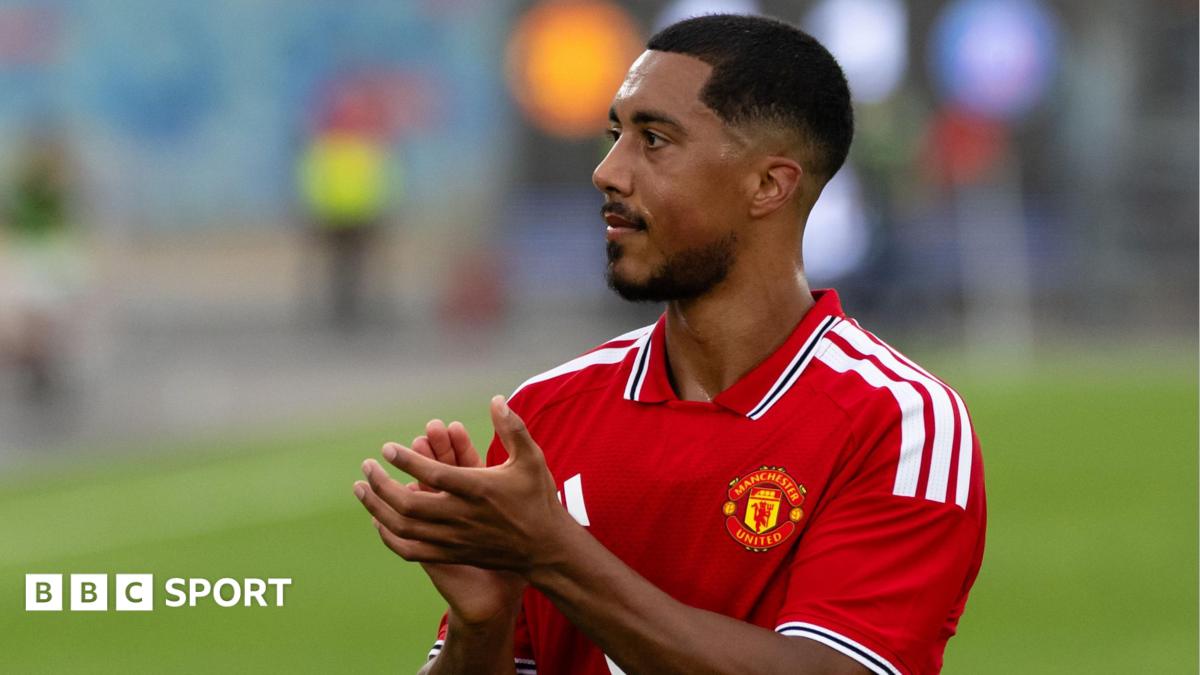
Youri Tielemans Man Utd Debut: Midfield Spark vs PSG
Tielemans looked comfortable right away in United’s 1-1 draw with PSG. For a club still hunting control in midfield, that matters.
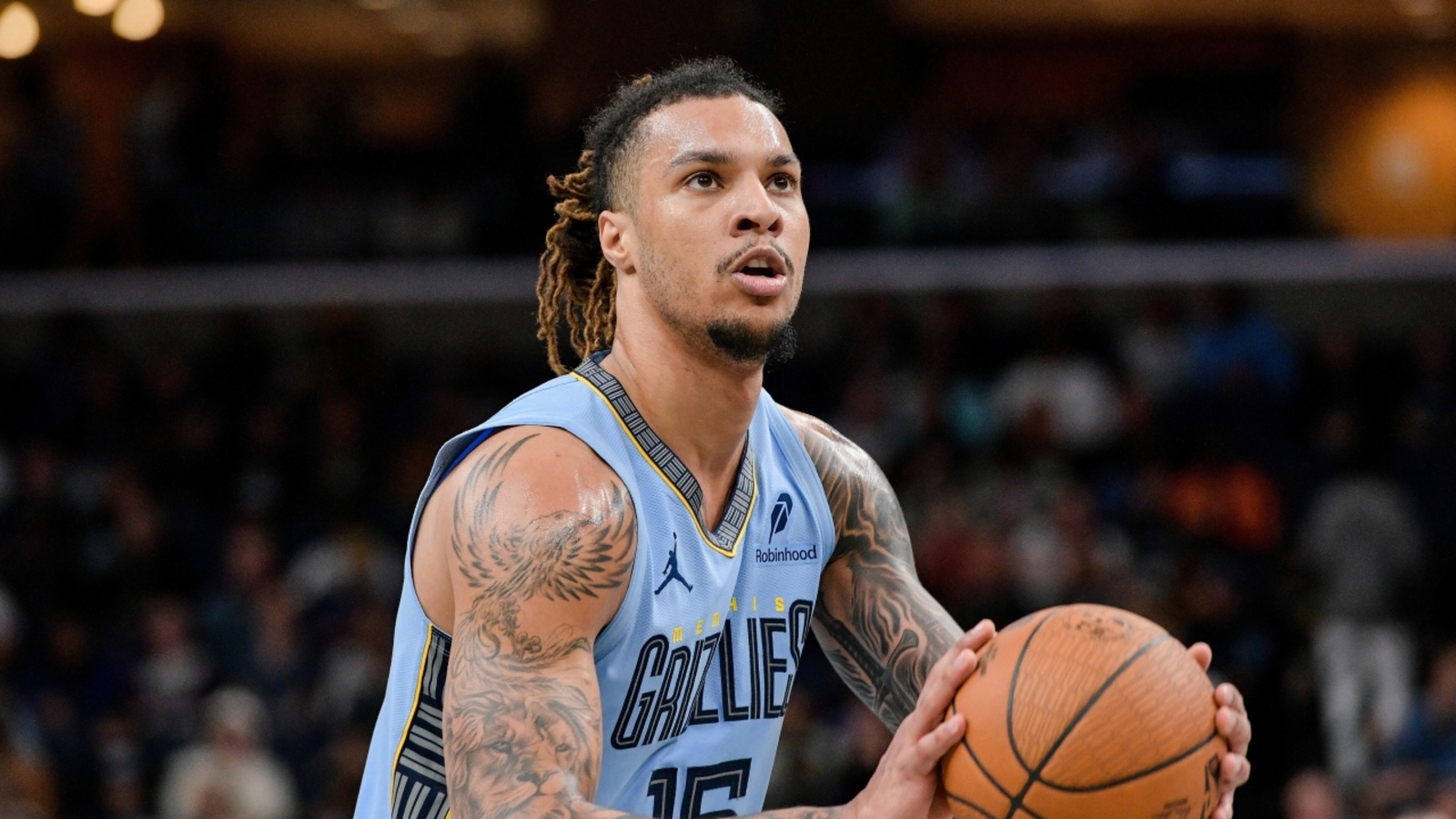
Brandon Clarke death: Grizzlies forward’s cause of death released
Authorities have released the cause of death for Brandon Clarke, a reminder that the hardest truths in sports do not end with the final buzzer. The Grizzlies and the wider NBA are left to reckon with
Brandon Clarke Death: Grizzlies Forward’s Cause Ruled Overdose
The medical examiner’s ruling turns grief into grim clarity. For Memphis, and for basketball, Brandon Clarke’s death lands far beyond the hardwood.