
Brandon Clarke death: Grizzlies forward’s cause of death released
A grim answer lands, but the ache behind it lingers.
 Beatrice Kensington6 min read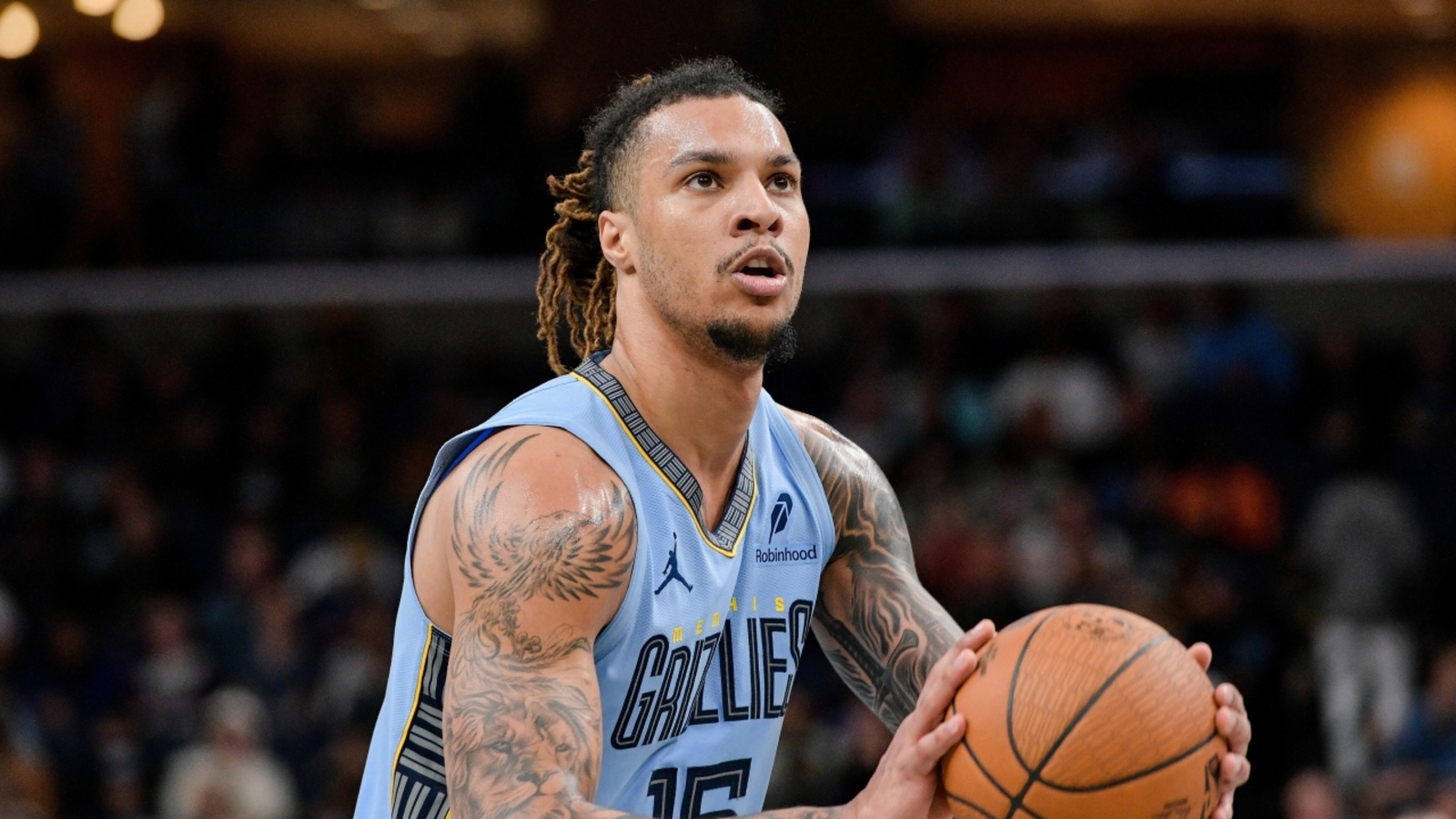
A death that still cuts through the noise
Brandon Clarke’s name belongs in the ledger of Memphis basketball for reasons far larger than the cold language of an official report. He was a Memphis Grizzlies forward, a spring-loaded defender, a player whose game was built on lift and timing and the kind of quick hands that turn one possession into another. Now, after the release of his cause of death, the story around him has taken on the unbearable weight that follows sudden loss: the facts are known, but they do not make the grief any easier to carry.
Authorities said Clarke died from the effects of heroin and cocaine. He was found dead inside a home near Los Angeles on May 11. The words are blunt, almost bureaucratic, and they sit there like a stone in the palm. There is no way to soften what they mean.
This is not simply a sad update about a former pro player. It is the kind of story that forces a league, a city, and a fan base to look beyond the polished architecture of modern basketball and into the messier, more fragile human ground underneath it.
Clarke’s place in Memphis was more than a line on a roster
Clarke was never the loudest figure in the room, never the sort of star whose image crowded every billboard, but he mattered in the way winning teams so often do not advertise. He was one of those players coaches trust because he plays with urgency, because his effort is visible in the spaces between the ball-handler and the rim, because he can alter a game without needing to own it.
Memphis has long valued that kind of player. The Grizzlies culture, forged in toughness and compact ambition, has always made room for the worker, the leaper, the screen-setter, the defender who does not ask for the spotlight. Clarke fit that mold. His presence offered balance in a league that increasingly celebrates volume over craft, flash over glue.
That matters because sports teams are not only collections of talent; they are communities built around repeated trust. When one of those people dies young, the loss echoes outward in ways that statistics cannot touch. Teammates remember the locker-room cadence, the road trips, the small jokes, the ordinary kindnesses that never make a highlight package. Fans remember the energy. The city remembers a body in motion.
For background on the league that shaped his career, the NBA has long been both a stage and a pressure chamber, a place where gifted young men are asked to become symbols almost as soon as they become professionals. Sometimes that weight is visible. Often it is hidden just enough to be missed until tragedy pulls the curtain back.
The larger and uglier context
The hardest part of a story like this is not the headline. It is the silence it leaves behind.
Substance abuse remains one of the least glamorous, most destructive realities lurking around sports and fame, where money and access can disguise vulnerability until the damage is already done. The public often prefers its athletes tidy: disciplined, invulnerable, grateful. Real life is rarely so cooperative. Pressure, pain, isolation, and the strange loneliness of a highly visible career can all become part of the same weather system.
The NBA has spent years improving support structures, but no institution can fully police what happens once a player leaves the gym and disappears into private life. That is the brutal edge of this story. A league can provide resources, teams can offer counseling, and friends can stay in touch; still, there are moments when a person slips beyond the reach of all those nets.
I have covered enough sports tragedies to know the public usually asks the wrong first question. It reaches for blame because blame feels more actionable than sorrow. But the more honest question is what kind of ecosystem can surround a young athlete and still leave him so exposed. We talk often about development in basketball: footwork, reads, shot selection, defensive discipline. We talk far less about the quiet, ongoing development of a life that can withstand success, strain, and the abrupt emptiness that sometimes follows both.
Brandon Clarke’s death also belongs to a long, painful American pattern, one that does not spare men because they are strong or successful or admired from afar. The mythology of sports tells us that elite bodies are somehow safer than the rest of us. They are not. If anything, they are watched more closely and understood less completely.
What Memphis and the league are left holding
For the Grizzlies, this is not a matter of public relations. It is a human absence that will be felt in rooms the public will never see. The franchise has endured its share of turbulence in recent seasons, but this is a different kind of reckoning altogether. Loss narrows the imagination. It changes the temperature in a building.
The NBA has made mental health and player wellness part of its public vocabulary, and those efforts should continue with more seriousness than ceremony. Not as a talking point, not as a social-media ribbon, but as a durable infrastructure of care that follows players through the full arc of their careers and into the uncertain terrain after them. The pro game is very good at celebrating arrival. It has never been quite as good at helping people land.
My own view is that the league and its teams must treat post-career support as a front-office obligation, not a charitable extra. Athletes do not become ordinary citizens the moment their playing days loosen their grip. They remain public figures, often young, often isolated by the very success they were praised for. If basketball institutions know how to measure vertical leap and defensive rating, they ought to learn how to measure risk, connection, and the quiet signs of drift.
I think about how often the sport asks its players to rise, to hang in the air a beat longer than everyone else, to make gravity look optional. Clarke made a living doing exactly that. The cruel truth is that life does not honor that illusion. It pulls down. It always does.
What remains after the facts
There will be more statements, more remembrances, more attempts to place a coherent frame around something that is, in the end, deeply incoherent. None of them will bring Brandon Clarke back. None should pretend otherwise.
What can remain is memory with its edges intact: a player who brought energy, a teammate who mattered, a young man whose death should deepen our resolve to look harder at the hidden costs of professional sports. The numbers in the box score are already closed. The larger account is not.
Memphis will keep playing. The league will move on because leagues always do. But this one will not vanish cleanly, and it should not. Some losses are meant to be remembered as warnings. This is one of them.
More from Straight From The Bench
Comments
Join the conversation — sign in to leave a comment.
Sign in to commentRelated Stories
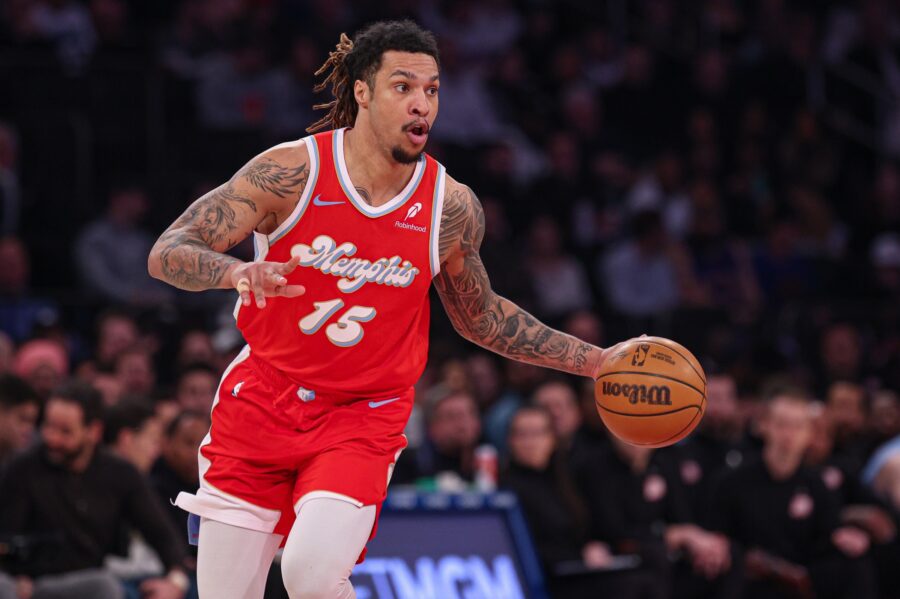
Brandon Clarke Death: Grizzlies Forward’s Cause Ruled Overdose
The medical examiner’s ruling turns grief into grim clarity. For Memphis, and for basketball, Brandon Clarke’s death lands far beyond the hardwood.
WNBA Draft Eligibility: Royce White Sparks New Rule Fight
Royce White’s latest bid aims straight at the WNBA’s eligibility rules, reviving a broader argument about gender, access, and who gets to set the terms of competition.

Kawhi Leonard sponsorship deal: Clippers face fresh scrutiny
Kawhi Leonard and the Clippers are back under the microscope over another alleged no-show sponsorship arrangement. In the NBA, the paperwork can get as important as the box score.