
WNBA Draft Eligibility: Royce White Sparks New Rule Fight
A stunt with sharp edges, and a league that cannot afford sloppy lines.
 Beatrice Kensington6 min read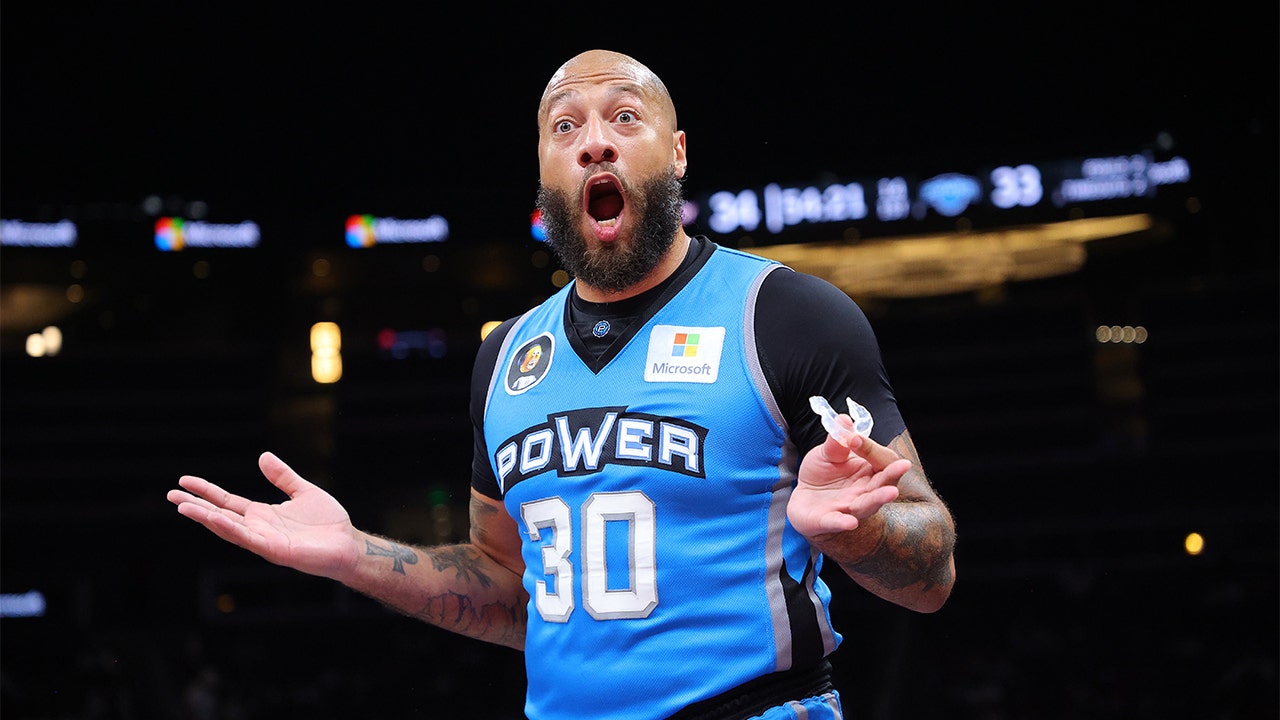
Royce White’s declaration that he intends to enter the 2027 WNBA Draft as a transgender woman is the sort of announcement that lands with a thud, then keeps echoing. It is not a basketball story in the clean, box-score sense. It is a governance story, a culture-war story, and, beneath all the noise, a story about how professional leagues define womanhood, fairness, and the boundaries of their own institutions.
White is not a random provocateur drifting through the margins of sports. He is a former NBA player whose public life has long carried a combative edge, and his latest move arrives alongside Enes Kanter Freedom, another former NBA player who has also aimed at league eligibility rules from a different angle. Together, whether they mean to or not, they are forcing the WNBA into a public argument it has never asked to host. And the league, still young by major pro standards and still fighting for respect, cannot simply shrug this off as theater.
The WNBA is being dragged into a fight it did not start
The central issue is not whether White’s declaration will produce a roster spot. It almost certainly will not. The real question is what happens when a fringe challenge lands in the middle of a league built on female athletic opportunity, negotiated labor, and years of careful institutional framing.
The WNBA has spent its existence balancing two truths that are often in tension: it is a business that needs attention, and it is a protected space for elite women’s basketball. That second part matters. These roster spots are scarce, the talent pool is deep, and for every player who makes the league, there are dozens who never will. Eligibility rules, then, are not clerical details. They are the architecture.
White’s claim is designed to test that architecture. Maybe he understands that. Maybe that is the point.
The league does not need a circus to know where its doors stand; it needs clarity, and it needs the nerve to enforce it.
For a league that has fought for basic legitimacy in a sports culture that has too often treated women’s basketball like a social cause rather than a professional product, ambiguity is a luxury it cannot afford.
Why this matters beyond one headline-grabbing declaration
There is always a temptation to file stories like this under spectacle and move on. That would be a mistake. The deeper issue is the increasing pressure on women’s sports to become the battleground for every unsettled debate about identity, biology, access, and competitive fairness. The players, inevitably, end up standing closest to the blast radius.
That is where the human cost lives. Not in the talking points, but in the uncertainty. In the league office. In the locker room. In the endless demand that women athletes absorb arguments they did not author.
The WNBA has already had to navigate the broader conversation around transgender participation in sports, a debate that has sharpened across colleges, youth leagues, and the professional ranks. But this case is different because it comes not from a career transition within the women’s game, but from a former NBA player stepping into the room with a challenge attached. That distinction matters. It changes the tone. It changes the intent people will assign to it. It changes the stakes.
If White’s plan is serious, the league will need to answer quickly and carefully, because inconsistency is gasoline. And if the answer is no — as the structure of women’s pro sports would strongly suggest — then the league must be prepared for the argument to continue beyond the paperwork.
For context, the women’s professional game has spent decades fighting for better conditions, better pay, and better treatment from a sporting establishment that once treated it as a novelty. That history hangs over moments like this. Every challenge to the perimeter of the game lands with extra force because the perimeter itself was won, inch by inch, against indifference.
A familiar tactic: force the rulebook to speak in public
There is a classic move in modern sports controversy: do not persuade the institution, embarrass it into answering. White’s declaration feels built for that method. It creates a headline, then asks the league to either validate the premise or reject it. Either response keeps the story alive.
The timing is telling, too. The sports world has become accustomed to high-volume challenges to rules that once seemed settled. We see it in labor fights, in NIL battles, in transfer chaos, and in the endless re-litigation of who gets to compete where. But women’s sports occupy a distinct and vulnerable space, because every boundary test is immediately recast as a referendum on the legitimacy of the category itself.
That is why the WNBA cannot afford to be passive. It needs language that is precise, defensible, and public. Silence would invite others to write the league’s policy for it.
My read: this is less about entry than leverage
I have covered enough sports disputes to know when somebody wants a roster spot and when somebody wants a platform. Royce White’s declaration reads, to me, far more like the latter. I do not say that lightly. But the theater is in the framing: a former NBA player, a provocative claim, an eligibility challenge, and a league that will be pressed to respond on terms it did not choose.
I think the WNBA should treat this as a governance test, not a culture skirmish. That means a clean statement of eligibility, rooted in policy rather than reaction. The league has too much at stake to let itself be cornered by performance art masquerading as petition. The players deserve better than to have their professional space treated like a stage prop in somebody else’s argument.
At the same time, the league would be wise not to sneer. Public sneering turns fringe ideas into martyrdom. Better to be firm, brief, and exact. Close the door without slamming it theatrically.
The larger sports world should pay attention here because women’s leagues are increasingly where abstract debates go to look for flesh and consequence. If the WNBA handles this with discipline, it protects not just its own competitive integrity but the principle that women’s sports are not an open mic for whoever wants to weaponize attention.
For those following the broader basketball rumor mill, this moment sits in a different universe than the on-court churn around Hunter Greene elbow surgery or Garrett Crochet shoulder update, but it shares one truth with those stories: institutions are defined by how they respond when the fragile parts of the system are exposed.
The WNBA should answer this one plainly. No drama. No fog.
And then it should get back to basketball.
More from Straight From The Bench
Comments
Join the conversation — sign in to leave a comment.
Sign in to commentRelated Stories

Kawhi Leonard sponsorship deal: Clippers face fresh scrutiny
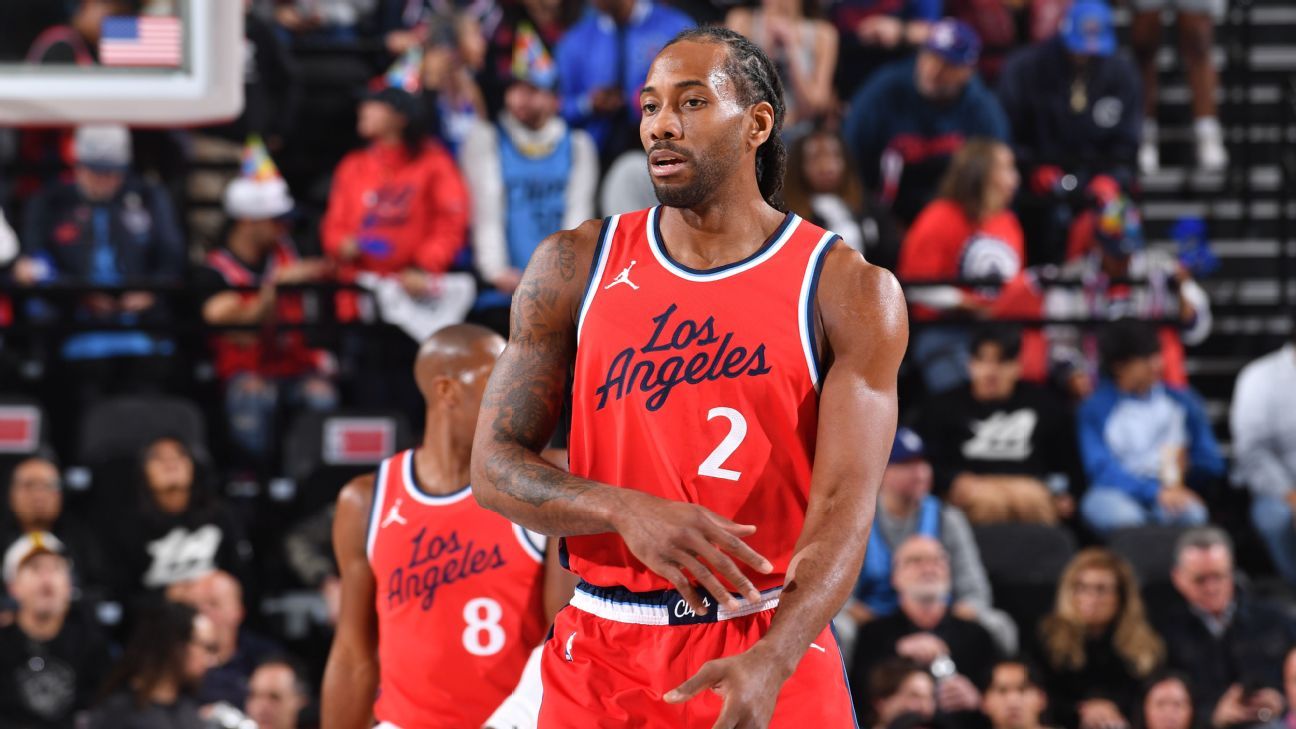
Kawhi Leonard and the Clippers are back under the microscope over another alleged no-show sponsorship arrangement. In the NBA, the paperwork can get as important as the box score.
Kawhi Leonard sponsorship deal: Clippers, Daktronics scrutiny mounts
Kawhi Leonard’s alleged undisclosed deal with Daktronics adds another ugly wrinkle to the Clippers’ optics. In the NBA, the paper trail always outlives the press release.
Fever vs Aces: Jackie Young Security Incident and OT Thriller
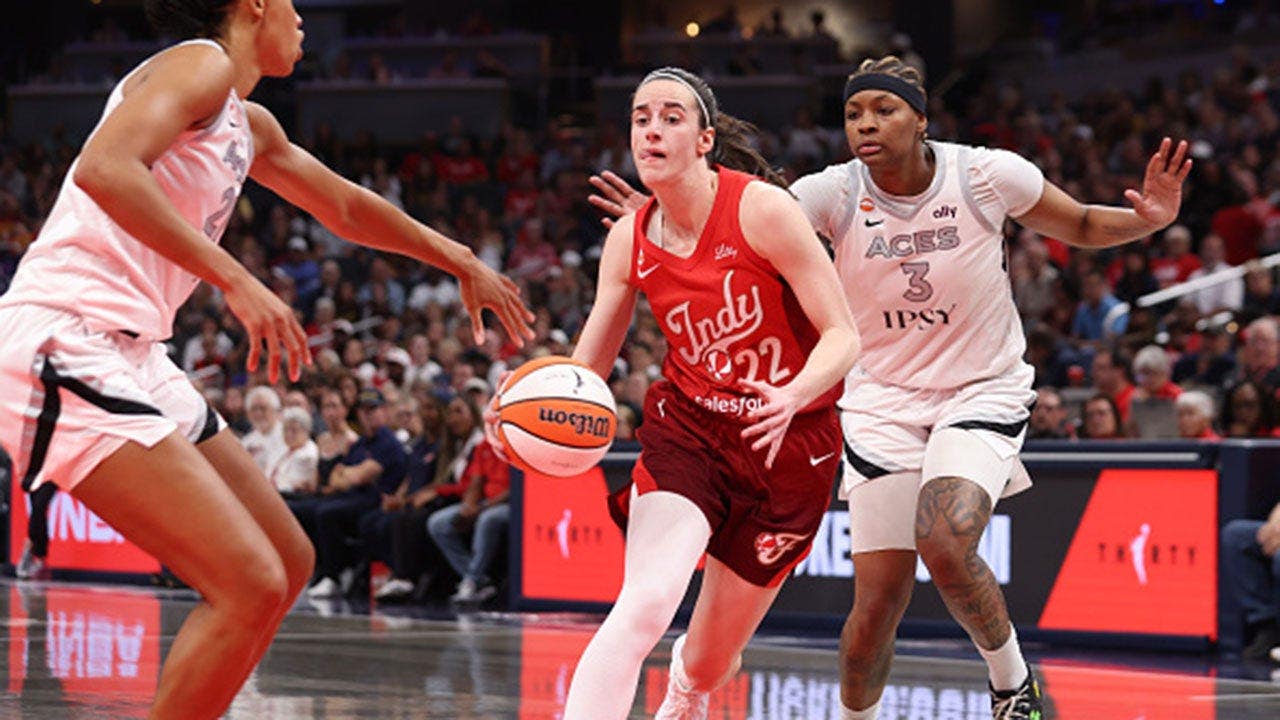
Jackie Young’s courtside complaint and Chelsea Gray’s overtime dagger turned an already charged Fever-Aces night into a larger conversation about control, crowd behavior and the league’s rising stakes