
Demi Vollering Tour de France Femmes Lead: Stage 8 Win
Yellow changed shoulders late, and now the whole race has to answer her.
 Zane Miller5 min read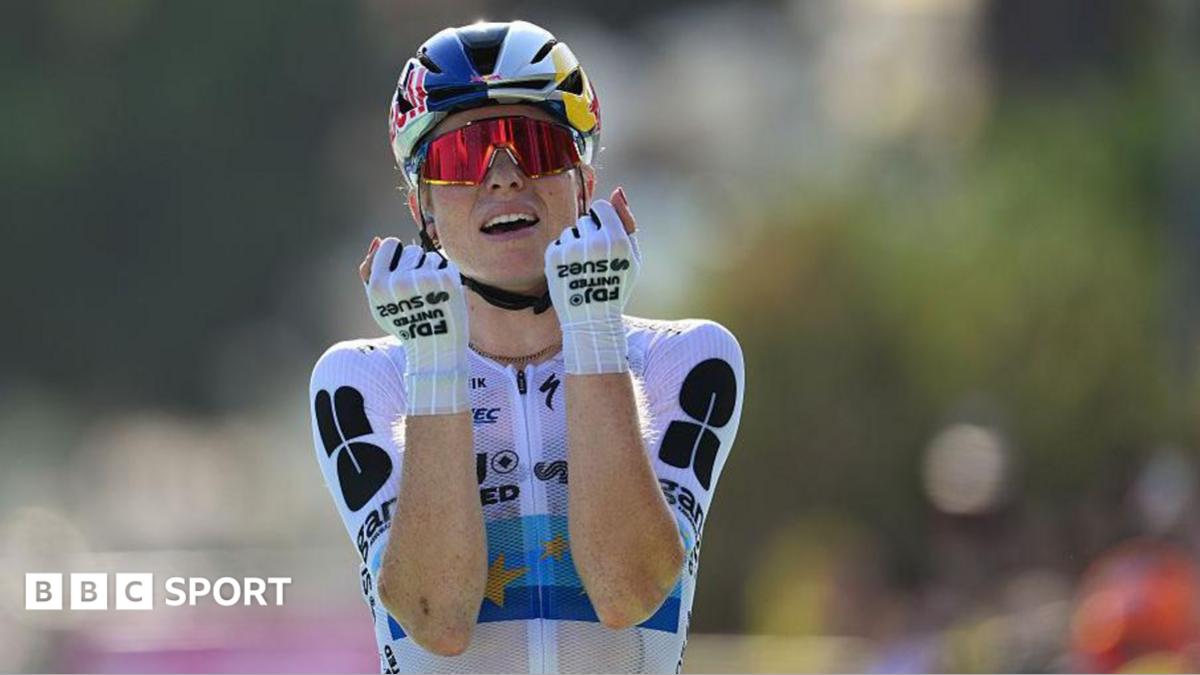
Demi Vollering didn’t just win stage eight. She shifted the entire mood of the Tour de France Femmes. One clean acceleration, one decisive gap, and suddenly the yellow jersey is hanging on her shoulders with a single stage left to ride. That is a brutal place for everybody else to be. It’s also exactly where a rider like Vollering wants the race to live when the road starts to tighten and panic starts creeping into the peloton.
The second straight day with a change at the top tells you this race is still elastic. No one has been able to lock it down, no one has been able to coast, and that matters. Late-stage Grand Tour racing is rarely about just legs. It’s about nerve, positioning, and the quiet little calculations teams make when they know every extra pull at the front costs something they may not get back.
Vollering found the moment, and nobody answered cleanly
Stage eight was the kind of day that rewards timing more than theatrics. Vollering raced clear, and once the split was there, the rest of the field was left reacting instead of dictating. That’s the sharp edge of elite stage racing. The strongest rider in the abstract doesn’t always win the day. The rider who senses the tiny wobble in the race usually does.
That’s the part teams hate. You can prepare for climbs, wind, fatigue, and tactical traps. You can’t really script the exact second a rival decides the elastic is about to snap. Vollering made that call, and she made it look costly for everyone else.
For the women's peloton this is the familiar high-wire act of a Grand Tour: one attack can change the math for every squad still alive. It forces contenders into damage control. It forces domestiques to spend more than they planned. And it forces one rider to live with the weight of yellow overnight, which is never as simple as it sounds.
Yellow jersey pressure is real, and it changes the next race first
The jersey changes more than the standings. It changes behavior. Once Vollering took yellow, every team around her had to decide whether to chase hard enough to crack her or sit back and gamble on the final stage becoming messy enough to reset everything. That’s a nasty dilemma because both choices carry risk.
If you chase too aggressively, you burn the matchbook chasing one rider who already proved she can finish the job. If you sit too deep, you let a confident leader control the tempo and take away your favorite attacking lanes. This is where the race stops being just about watts and starts looking like a negotiation between fear and ambition.
The Tour de France Femmes has made a habit of producing these late-stage turns, and it’s part of what gives the event its bite. There’s a fragility to the lead in women’s stage racing that fans notice immediately: a jersey can flip on one hard effort, and the whole narrative gets rewritten in a few minutes. That’s not chaos. That’s modern racing, and it’s why this event has become appointment viewing.
What the final stage now asks of everyone else
The last day is no longer about chasing a dream finish. It’s about solving Vollering. That means the teams behind her need something specific: a plan that creates pressure without detonating their own legs. Easier said than done. Late in a stage race, every squad is living on stale energy and instinct.
Vollering, meanwhile, has earned the luxury of forcing others to overextend. Yellow on the eve of the finish is a massive psychological edge because it puts the burden on the field. She doesn’t need to win every second. She just needs to avoid the one bad moment that can happen when a race becomes frantic and the road narrows toward the finish line.
Yellow on the penultimate day is not a souvenir. It’s a warning label.
This is where the race starts to look like the great old Grand Tour duels, except in the modern women's calendar the margins feel even thinner because every team is far more willing to gamble. You can see why this matters beyond one stage. These are the kinds of performances that move a rider from contender to reference point. Vollering already lives in that tier, but a late-stage yellow grab only strengthens the case that she knows exactly how to win when the race turns sharp.
Why this matters beyond one jersey change
I’ve watched enough big tours to know when a rider is simply surviving and when she’s controlling the temperature of the race. Vollering’s move feels like the latter. Not because it guarantees anything — it doesn’t — but because it changes what everyone else is allowed to believe. Once a rider takes yellow this late, the others stop racing the course and start racing the name on the jersey.
That’s a real advantage. It’s also why stage-race leaders get so little grace. The whole field can now spend the final day looking at Vollering and asking whether she can be forced into one mistake, one hesitation, one bad rotation. My read? That’s exactly the wrong mindset if you’re chasing her. The best climbers and GC riders don’t crumble because they’re strong. They lose when rivals confuse desperation with strategy. Vollering has put the race in that territory.
The bigger picture is simple: this is what a marquee women’s tour should feel like. Lead changes, pressure, and a final-day showdown with actual stakes. No filler. No parade laps in the narrative. Just a yellow jersey earned the hard way and defended with every team in the race looking for a crack.
The final stage now has a spine. Vollering built it herself. Everyone else gets one last shot to break it.
More from Straight From The Bench
Comments
Join the conversation — sign in to leave a comment.
Sign in to commentRelated Stories
WNBA transgender athletes talks: Engelbert memo sets next test
Cathy Engelbert’s memo signals the WNBA is trying to stay ahead of a charged debate. The next round of talks will test the league’s values, language and leadership.
Sophie Cunningham trans comments: Bill Maher backs women's sports stance
Bill Maher’s defense of Sophie Cunningham turned a messy culture war clip into a bigger debate about locker rooms, women’s sports, and where the line gets drawn.
Women's Professional Baseball League debut: a first pitch with real stakes
Springfield got the first look at a league built to last. The atmosphere was messy, loud, and bigger than one opening night.