
Women's Professional Baseball League debut: a first pitch with real stakes
Four teams, one rainy launch, and a sport trying to write its next chapter
 Zane Miller4 min read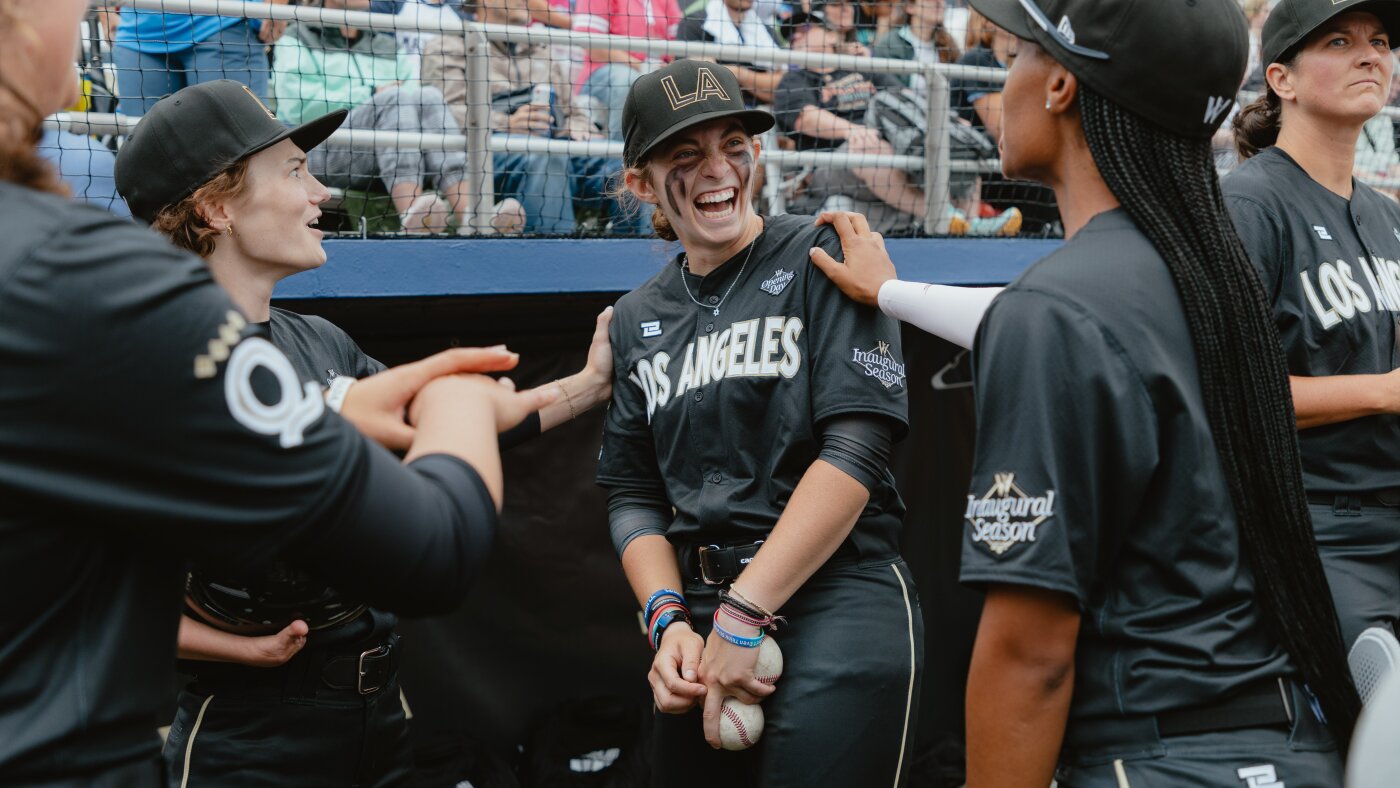
The first pitch for the Women's Professional Baseball League landed in a parking lot full of wet shoes, folding chairs, and people who knew they were watching a line get crossed. Springfield, Ill. was soaked. The crowd still showed up anyway. That tells you plenty about the appetite here before a single box score starts getting passed around.
This is not a novelty tour stop. It’s a four-team launch with actual geography, actual uniforms, and actual business pressure behind it. The Los Angeles Queens, New York Heights, Boston Hunters, and San Francisco Firebells are now on the board, and that matters far beyond one stadium in Illinois.
Springfield was the right kind of messy
Robin Roberts Stadium was surrounded by construction and rain, which is basically the perfect visual for an inaugural league. Nothing about this was polished to the point of sterility. Good. New sports should arrive with some scar tissue showing.
The crowd mix says a lot too. Some locals. Some travelers. Some people who have clearly been waiting for women’s baseball to be treated like a real product instead of a throwback exhibit. That’s the market speaking before the league ever has to.
And make no mistake, this thing has to become a market quickly. Start-up leagues don’t get to live on vibes forever. They need repeatable interest, dependable scheduling, sponsor confidence, and enough player quality to make the baseball itself the reason people keep coming back. The debut checked the first box. Now the grind begins.
Four teams is small, but it’s a foothold
A lot of new leagues try to come out swinging with too much scale. Four teams is almost the opposite. It keeps the footprint manageable. It also keeps the comparison game unavoidable.
Fans know the four clubs can’t hide. Every roster decision matters. Every venue date matters. Every game has to carry more weight because there just aren’t many of them yet. That can work in the league’s favor if the product is tight and the presentation stays sharp.
There’s a reason the old guard of sports business keeps coming back to the same lesson: oversell too early, and you spend the next two years catching up to your own hype. This launch feels more restrained than that. Smarter too. Build the base. Earn the next market.
The real win tonight isn’t the scoreboard. It’s that women’s pro baseball finally looked like it expected to be here.
The talent question is now the only question that matters
Every new league gets the same test, just in different clothes. Can the players make casual fans care fast enough?
That is where this gets interesting. The nameplates on the jerseys are going to matter less than the quality of the baseball. Clean defense. Legitimate pitching plans. Athletes who don’t look like they’re auditioning for a concept. That’s what turns a one-night curiosity into a habit.
And the league has another challenge that people inside the business understand immediately: it has to sell identity, not just inclusion. A movement gets attention. A league gets repeat customers when it develops rivalries, recognizable stars, and a reason to track standings in August instead of just cheering the opening weekend.
If you want a useful comparison, look at how women’s sports leagues that stick usually do it. They don’t ask for infinite patience. They give fans something concrete to follow. The logos matter. The cities matter. The matchups matter. That is how legitimacy compounds.
What executives and agents will be watching next
The next few weeks are about signals, not slogans. Are the players being used in ways that show real baseball sense? Are the venues workable? Does the league keep enough media oxygen after the novelty of opening night fades? That’s the stuff executives watch because it tells them whether the venture can survive beyond launch week.
There’s also a broader ripple here. Women’s baseball has spent years fighting for structure, not just recognition. A league changes the conversation from “should this exist?” to “can this scale?” That’s a major shift. Entirely different business problem. Better problem.
I’ve covered enough new sports launches to know the dangerous phase is always the part after the first headlines. Everybody loves a ribbon-cutting. The real test is whether the league can turn a historic debut into a routine Tuesday in May that still draws a crowd. That’s where the money lives. That’s where credibility lives too.
The old sports economy rewards repetition. If this league can keep giving fans a reason to care about Queens-Heights or Hunters-Firebells without needing a built-in celebration every time, it’s onto something real. If not, the debut becomes a nice story and nothing more. The opening night crowd made clear that people are willing to give it a shot. Now the league has to deserve the repeat business.
The first pitch changes the conversation
This wasn’t just a ceremonial start in a rainstorm. It was proof of concept with dirt on it. That’s the version worth paying attention to.
The next phase is simple and brutal: hold the audience, sharpen the product, and make the standings matter. The first game is history. The hard part starts now.
More from Straight From The Bench
Comments
Join the conversation — sign in to leave a comment.
Sign in to commentRelated Stories
Fever vs Aces: Jackie Young Security Incident and OT Thriller
Jackie Young’s courtside complaint and Chelsea Gray’s overtime dagger turned an already charged Fever-Aces night into a larger conversation about control, crowd behavior and the league’s rising stakes
Caitlin Clark and Paige Bueckers lead Team USA roster
USA Basketball finally leaned into the future, and it looks loud, skilled, and a little dangerous. Clark, Bueckers, Reese and Boston give the roster a new face.

Larry Fitzgerald Hall of Fame: Why He Refuses to Say 'Retired'
Larry Fitzgerald is headed to Canton, but he still won’t slap the “retired” label on himself. That’s pure Fitz — and pure football stubbornness.