
Don Nelson obituary: NBA coaching icon and pioneer dies at 86
The game he bent to his will is still living inside it.
 Beatrice Kensington5 min read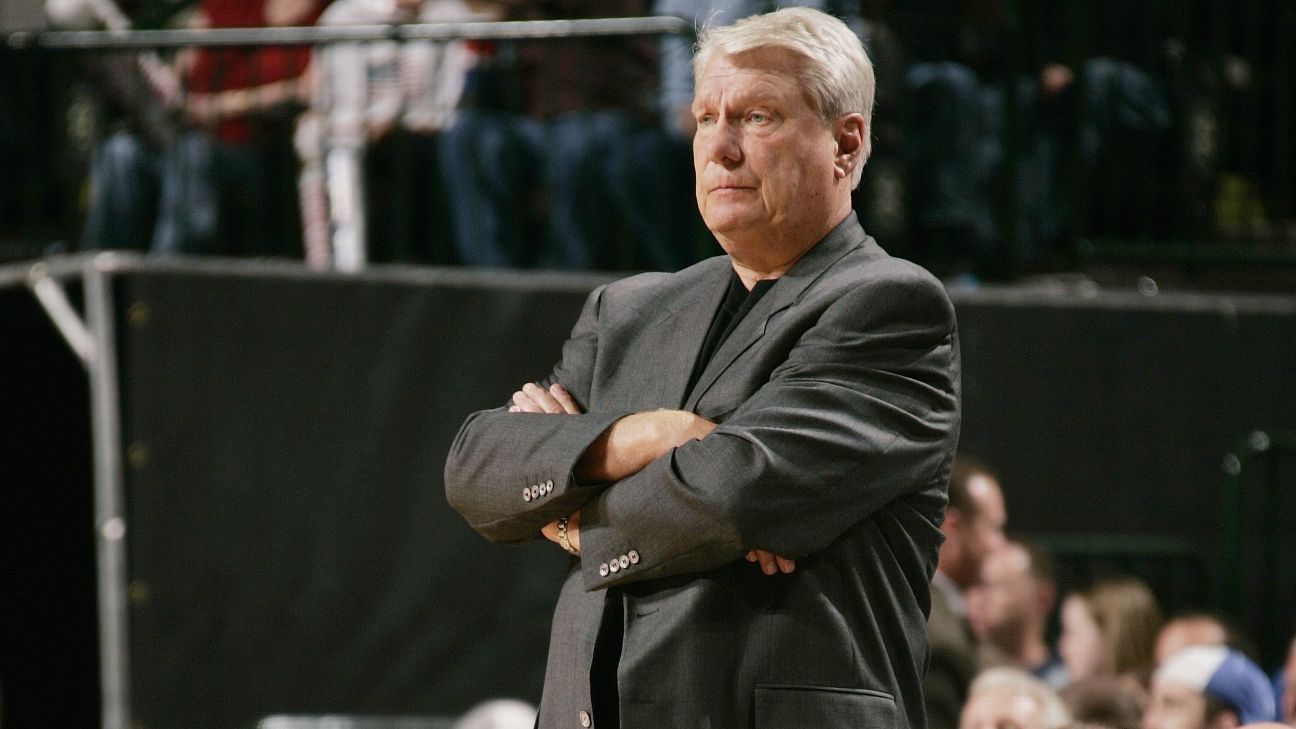
Don Nelson spent a lifetime making the NBA look a little less ordinary. He coached like a man with an argument to settle against convention, and for years the league kept adjusting its stance because he kept finding another seam, another mismatch, another way to make basketball feel less like machinery and more like improvisation. His death at 86 closes the book on one of the most distinctive careers the sport has ever known, a career that stretched from championship player to Hall of Fame coach and left fingerprints all over the modern game.
A champion first, a coach who kept reinventing
Nelson’s résumé could have stopped at the player’s side of the ledger and still merited a place in the game’s memory. He was a five-time NBA champion with the Boston Celtics, a sturdy, cerebral forward in an era when that club’s standards were less a slogan than a law of nature. He learned under Red Auerbach, and you could argue that he spent the rest of his life turning that schooling into his own private laboratory.
As a coach, Nelson did not simply inherit the game; he kept trying to move it forward, sometimes by force. The small-ball lineups, the positionless ideas, the willingness to play bigger men as decoys and smaller men as leverages, all of that now reads like common language in the NBA. But it was not common when Nelson pushed it. It was provocative. It invited ridicule. It also won games.
He finished as the second-winningest coach in league history, a staggering fact that only tells part of the story. Wins are the visible layer. Influence is the deeper sediment.
The Maverick who changed the rhythm of the league
If you want to understand Nelson’s legacy, start with the Dallas Mavericks years, where he turned roster construction into a philosophical weapon. He understood that basketball could be stretched, sped up, and unsettled. He loved spacing before spacing became a catechism. He trusted skill in places where others preferred size, and he treated mismatches as invitations rather than problems.
That approach made him one of the sport’s great contrarians, but contrarian is too cheap a word for what he really was. Nelson was a builder of ecosystems. His teams often looked disorderly to the untrained eye and beautifully alive to anyone paying attention. He made the game less static, more fluid, more vulnerable to the ideas of the coach standing at the sideline.
The NBA now runs through some of the corridors Nelson helped open.
The line between his era and ours is not as wide as people like to pretend. The spread offenses, the emphasis on playmaking from unusual spots, the comfort with lineups that would have once been dismissed as too light or too strange — this is the inheritance. The league did not become modern all at once. Men like Nelson pried it open.
Why his death lands differently now
There is a sorrow that comes with losing a figure who helped turn eccentricity into accepted doctrine. The sport can sometimes flatten its pioneers into digestible nostalgia, but Nelson was never just a sepia-toned memory. He belongs to the present because the present still borrows from him.
That is why this feels bigger than a standard obituary. Nelson’s life traces the NBA’s own evolution from bruising halfcourt orthodoxy to a game that prizes movement, skill, and tactical daring. Every time a coach slides a forward into a playmaking role or uses a spread floor to expose a slower defender, some faint echo of Nelson lives there. Not in a sentimental way. In a structural one.
And there was a human dimension to all of it, too. For players, a Nelson team could feel like a dare and a trust exercise at once. He asked them to think on their feet, to read the floor as if it were a chessboard with sweat on it. Some thrived in that freedom. Some never quite settled into it. That was part of the bargain. Great coaches do not merely organize talent; they reveal what kind of pressure it can withstand.
What he means to coaches now
I have always thought the truest measure of a coach is not how many pages he writes in the playbook, but how many future coaches end up stealing the language of his instincts. Nelson belongs in that company with the sport’s most consequential minds because he understood the league as a place of constant mutation. He did not fear it. He fed it.
There is also a warning in his story for the modern sideline. Basketball worships innovation until innovation becomes habit, and then it forgets who made the first cut in the floorboards. That is how sports age, and how memory cheats. Nelson deserves better than that. He was not merely ahead of his time; he helped make his time less rigid for everyone who came after.
I think that is why his legacy will outlast the nostalgia cycle. Fantasy Baseball SP Roundup 8/8: Jobe's Illusion and the Pitcher List is a reminder, in a different sport and a different register, that every game keeps evolving around the people brave enough to see it first. Nelson was one of those people. He looked at a court full of fixed assumptions and saw possibility instead.
The league is full of coaches who borrow from his toolbox. Fewer understand the courage it took to build it.
The game keeps his fingerprints
There will be tributes, naturally, and old clips, and the inevitable parade of former players telling the same essential truth in different accents: Nelson made them think differently about basketball. That is the highest compliment a coach can earn. Not that he shouted the loudest. Not that he won the prettiest. That he changed the way the game was read.
His death also invites a moment of gratitude for the odd, unclassifiable figures in sports history — the ones who do not fit neatly into the categories we prefer, who resist embalming, who remain a little unruly even in remembrance. Nelson was one of them. He should be remembered that way.
The sport he left behind is faster, smarter, and more willing to break itself open. That is no small legacy. It is the whole point.
More from Straight From The Bench
Comments
Join the conversation — sign in to leave a comment.
Sign in to commentRelated Stories

Indiana Fever vs Chicago Sky: Kelsey Mitchell Leads 90-86 Win
Indiana snapped back with a four-point rivalry win over Chicago. Kelsey Mitchell and Caitlin Clark drove the pace, and the Fever needed every bit of it.
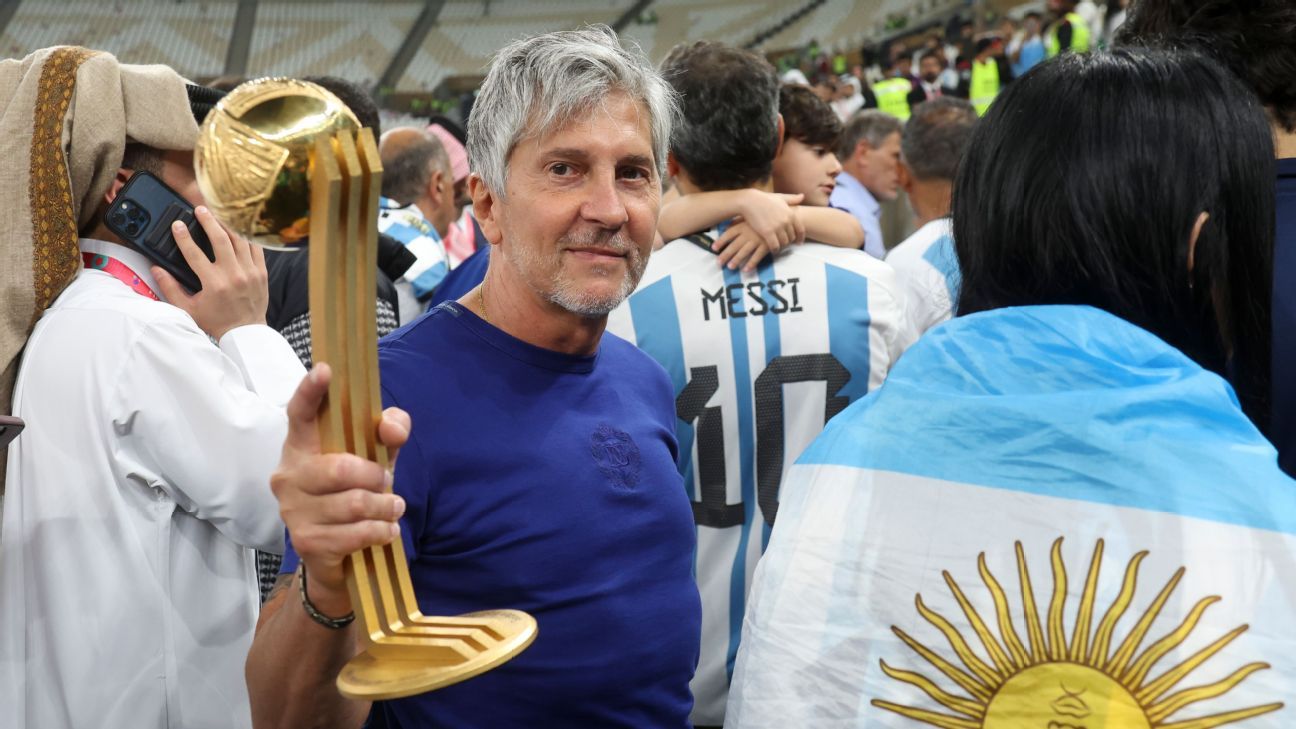
Lionel Messi Father Death: Jorge Messi Dies at 68
Jorge Messi, Lionel Messi’s father, has died at 68 in Rosario. The football world will pause, but the family’s grief comes first.
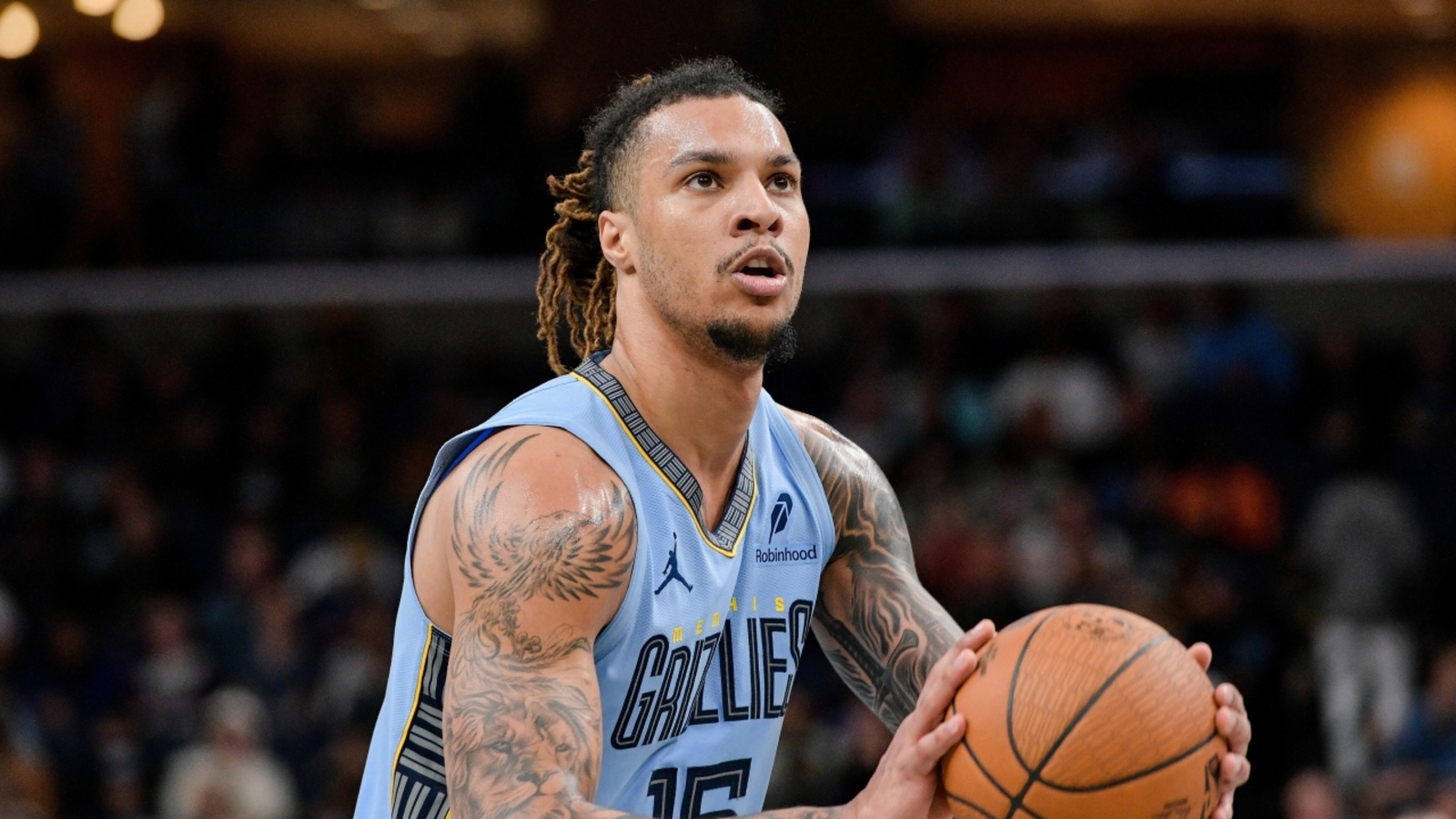
Brandon Clarke death: Grizzlies forward’s cause of death released
Authorities have released the cause of death for Brandon Clarke, a reminder that the hardest truths in sports do not end with the final buzzer. The Grizzlies and the wider NBA are left to reckon with