
Linda Cohn ESPN Layoffs: What the Latest Cuts Really Mean
The network keeps trimming stars, and the message is getting louder by the week.
 Zane Miller5 min read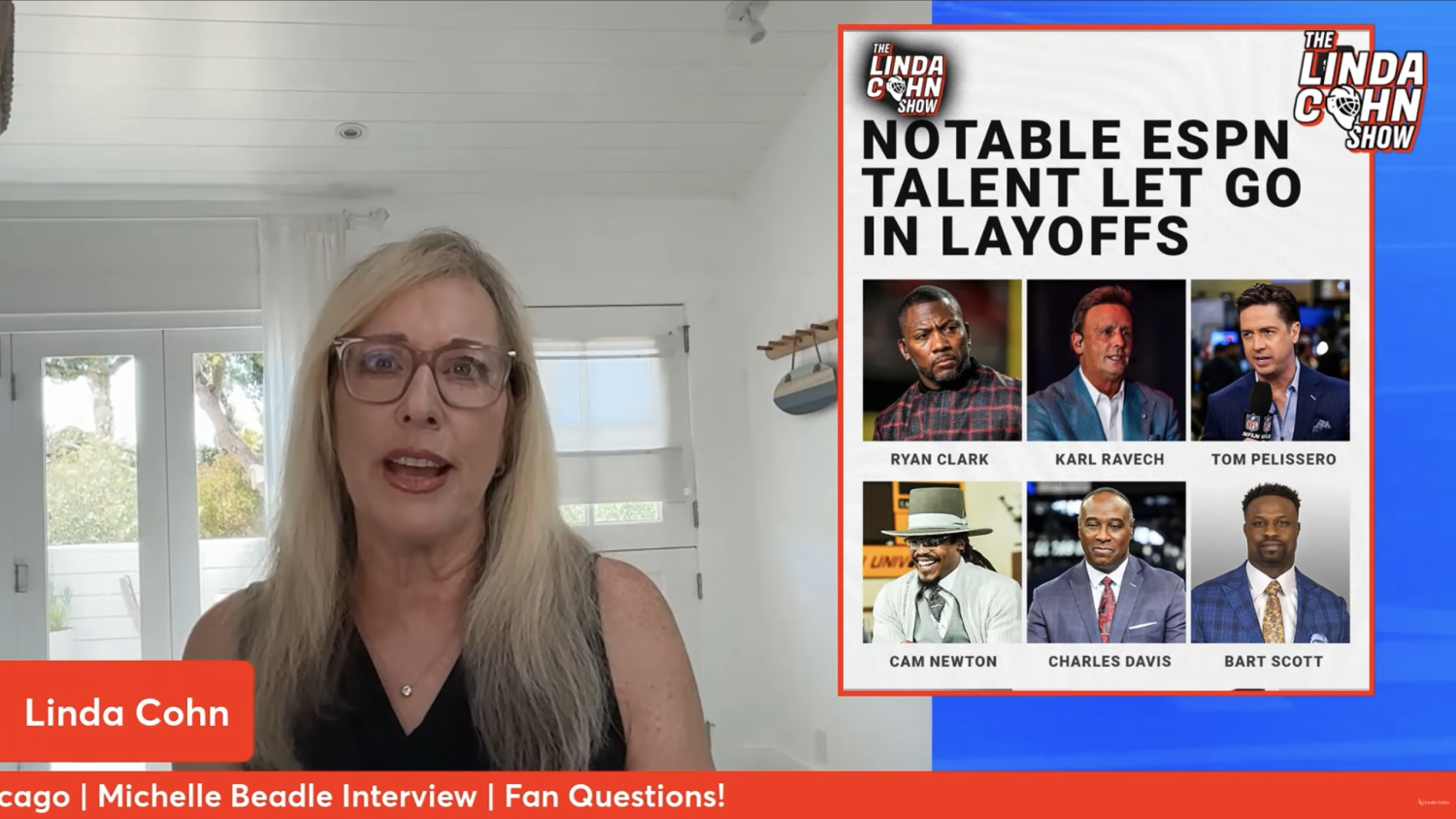
ESPN’s latest round of layoffs didn’t just clear desks. It cleared another layer of institutional memory.
Linda Cohn calling the network’s handling of the cuts “buffoonery” lands because she’s not some random retired voice throwing grenades from the sidelines. She lived through the rise of ESPN as a cultural machine. She saw the place when personalities were the product, not just the packaging. And now, with another wave of prominent on-air names shown the door, the whole operation looks less like a sports network with swagger and more like a giant company trying to shrink its way into a cleaner balance sheet.
The timing matters. So does the pattern.
ESPN is cutting more than payroll
The obvious read is cost control. The deeper read is identity control.
Networks don’t just lay off talent because they’re bored. They do it because the business has changed and the old model of expensive, highly visible personalities doesn’t feel as untouchable as it once did. ESPN still has massive reach, but the media market around it has been eaten alive by streaming, fragmentation, and a younger audience that treats clips, podcasts, and social feeds like the main event.
That’s the part executives never say out loud in public. They want the same cultural authority with a smaller bill.
But there’s a price for that. The more names you remove, the more you flatten the brand. When viewers stop recognizing the faces, they stop building habits around the network. And once that happens, you’re not just trimming fat. You’re sanding down the parts that made ESPN feel like ESPN.
Linda Cohn’s reaction hits a nerve for a reason
Cohn’s departure from ESPN last month already felt symbolic. Now it feels like a line in the sand.
She was part of an era when the network’s talent mattered as much as the event itself. ESPN built trust, for better or worse, by making its on-air people part of the viewing experience. That model produced stars, gatekeepers, and the occasional ego war, sure. But it also created loyalty. People tuned in because they wanted the event, and because they wanted the voices attached to it.
Today’s network strategy feels colder. Cleaner, maybe. More efficient, definitely. But also easier to forget.
ESPN keeps acting like it can prune personality without pruning relevance. That’s a dangerous bet.
There’s a reason Cohn’s comments cut through. She’s speaking for a lot of viewers who still remember when the network felt larger than life. The layoffs might be framed as business necessity, but they also expose a simple truth: the old ESPN was built on talent as a moat. The new one is trying to build a moat out of scale and distribution.
Those are not the same thing.
The bigger media play: efficiency over aura
This is where the industry gets honest.
Every major sports property is chasing the same two things right now: predictable revenue and lower friction. That means fewer legacy salaries, fewer long-term commitments, and more pressure to justify every name on camera. The problem is that sports media is still one of the few TV products where familiarity drives loyalty. Fans don’t just want information. They want voices they trust, argue with, or at least know by instinct.
ESPN knows this. The people making these decisions know it too. They’re not unaware. They’re calculating that the reach of the brand can survive the loss of some individual star power.
Maybe they’re right in the short term. Big companies often are.
But the long term is trickier. Once a network gets known for churn, every on-air personality starts wondering if they’re next. That kind of uncertainty changes how talent behaves, how agents negotiate, and how ambitious younger broadcasters think about staying put. It pushes people to diversify, build personal brands, and keep one foot out the door.
That’s not just a talent issue. That’s a cultural issue.
For a network built on being the destination, that’s a real problem.
What this means for the next wave of talent moves
The fallout won’t stop with this week’s names.
Executives around the business are watching how the audience reacts, and more importantly, how the remaining talent reacts. If viewers shrug and move on, the cuts will get easier. If the reaction is loud enough, the network may have to think harder about which voices are actually worth protecting.
This is where the market gets interesting. There are still places for experienced broadcasters, but the leverage has shifted. The old “we’re ESPN, stay grateful” posture doesn’t work the way it used to. Talent knows there are more ways now to matter outside the linear machine. Podcasts, digital shows, social clips, niche platforms — that ecosystem has changed the negotiation table.
And that’s why the Linda Cohn moment feels bigger than one person or one week of layoffs. It’s a reminder that sports media doesn’t just live on ratings anymore. It lives on credibility, repeatability, and voice.
I’ve seen enough of these cycles to know what comes next: more efficiency talk, more “strategic” language, and more executives pretending every cut is a clean reset. It never is. Networks don’t just lose salaries in these moves. They lose texture. They lose memory. Sometimes they lose the very thing that made the audience care in the first place.
The people making the cuts will call it evolution. Fair enough. But evolution can still leave a bruise.
ESPN still has scale, power, and a giant platform. What it needs now is proof that it can keep its edge without sawing off the branches people actually tune in to watch. That answer is coming fast, and the next round of decisions will say plenty.
More from Straight From The Bench
Comments
Join the conversation — sign in to leave a comment.
Sign in to commentRelated Stories
Azzi Fudd WNBA 3-Point Contest Win: Rookie Makes History
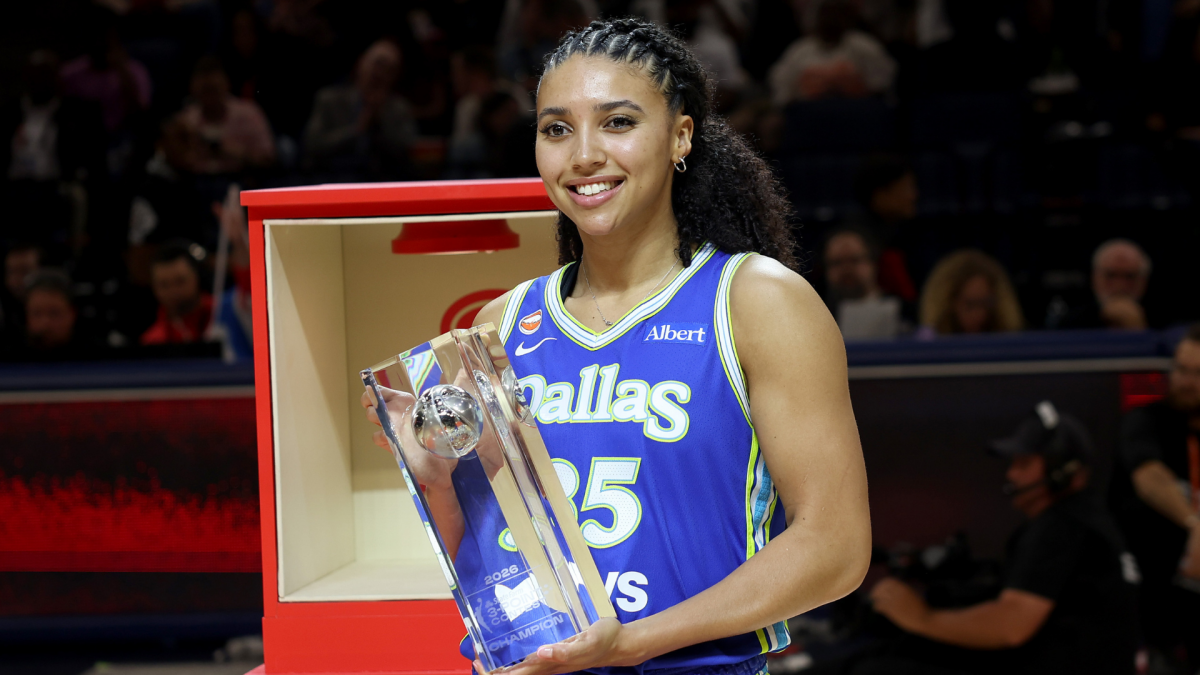
Azzi Fudd didn’t just win the WNBA 3-point contest. She put a stamp on the night, made history, and took a cheeky swing at Steph Curry.

Tony Romo Arrested in Milwaukee: OUI Suspicions Stir Questions
Tony Romo was arrested in Milwaukee on suspicion of operating while under the influence. The headline lands hard because the fall from public grace never travels light.
Nick Bosa X Return: Why His Ryan Clark Post Hit a Nerve
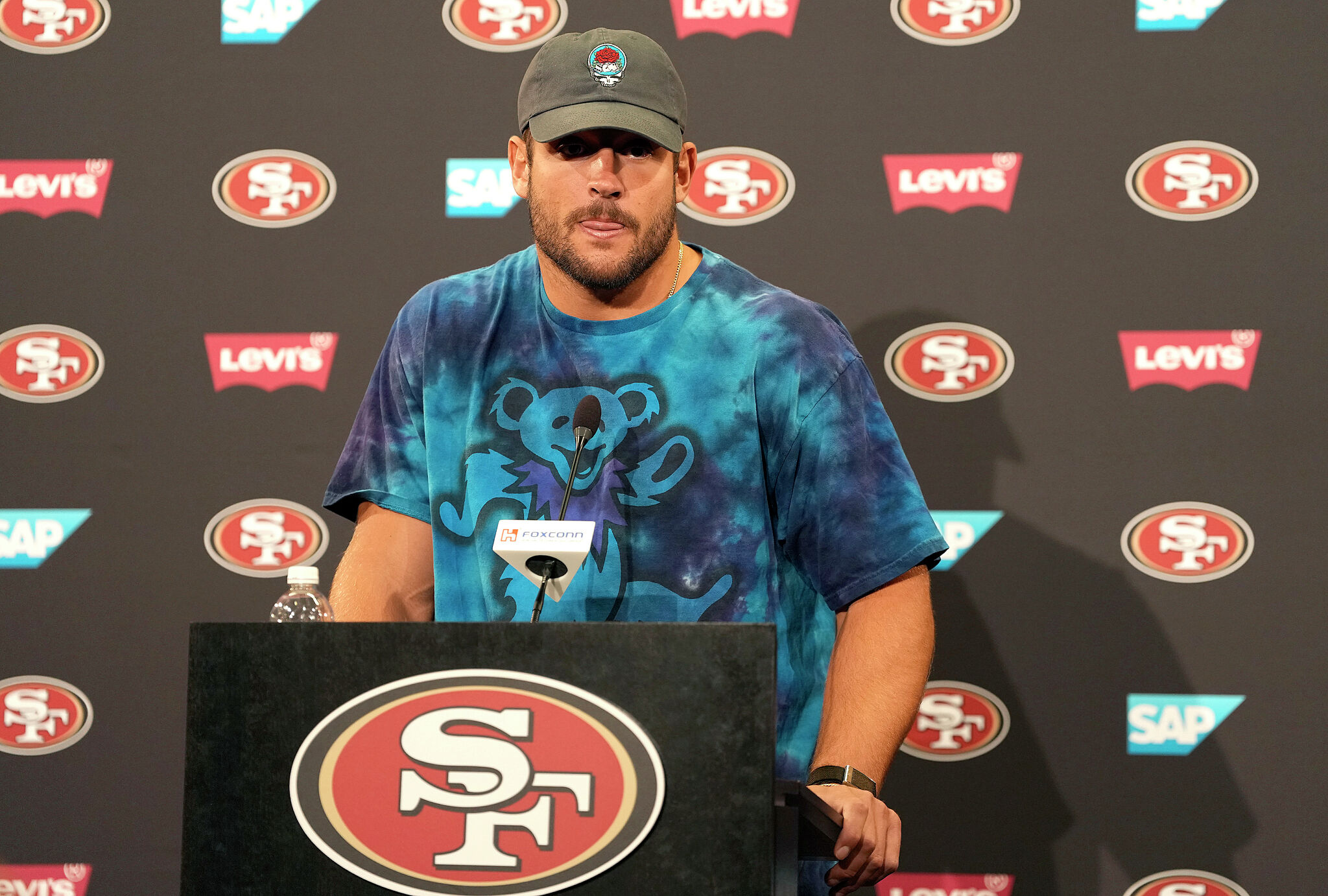
Nick Bosa crawled back onto X for one swipe at Ryan Clark. The bigger story is what that says about image, ego, and the league’s favorite sideshow.