
Hungarian Grand Prix Friday Practice: Hungaroring Clues for F1
The lap times lied a little. The car balance didn’t.
 Zane Miller7 min read
Friday at the Hungaroring never gives you the whole movie. It gives you the opening scene, maybe a clue about the ending, and a lot of noise in between. This year’s Hungarian Grand Prix practice had exactly that feel: slippery track, gusty conditions, a surface that punished every lazy steering input, and enough bumps to make even the sharpest cars look a half-step off their best.
And still, underneath the mess, the useful stuff was there.
The teams that tended to look calm through the corner sequences were the ones with a real platform. The ones bouncing between understeer and oversteer on the same lap? That usually means a setup window that’s too narrow, or a car that’s asking too much of the driver before it even gets to qualifying trim. Hungary has a nasty habit of exposing that. It’s a circuit where rhythm matters more than ego, and where a driver can’t bully the lap into submission.
The Hungaroring’s dirty little secret: it always tells the truth
The track conditions were rough enough to blur the headline times, but they didn’t erase the fundamentals. That’s the key here. On a weekend like this, you’re not just watching who tops a timing sheet. You’re watching who can hold the front axle in place through the medium-speed stuff, who can keep the rear from stepping out on traction, and who can survive the dirty air that this place serves up by the bucket.
That matters because Hungary is one of those old-school circuits that still leans hard on car balance and tire management, even in the era of ground-effect machinery. The Formula 1 field can get obsessed with straight-line speed all it wants. Not here. Not in Budapest. If your car is alive in the slow-to-medium speed range, you have a shot. If it isn’t, the weekend gets long in a hurry.
The biggest takeaway from Friday wasn’t a single lap time. It was the shape of the pecking order. Some teams looked like they had enough front-end bite to attack the apexes without chewing the tires alive. Others looked like they were trimming wing, adding wing, and still chasing the same basic problem. That usually becomes more obvious by qualifying, because Hungary is one of the hardest places to pass on the calendar and everyone knows track position is oxygen.
Why practice pace matters more here than at most stops
In most weekends, you can afford to be a little sloppy on Friday and sort it out later. Hungary is less forgiving. Once the car is out of the narrow operating window, the driver starts overdriving the front tires, then the rear gets loose, then the lap falls apart in a way that looks worse than it maybe should. It’s a chain reaction.
That’s why the analytical eye on Friday is so useful. The teams that made clean progress across the session are telling you something about their floor. Not just their one-lap headline pace, but how well they’re reading the track evolution, how fast they’re reacting to wind shifts, and whether they’ve got enough mechanical grip to manage the bumps without unsettling the platform.
This is where the weekend starts to split. The cars that can generate confidence in sector two — the meat of the lap, where the rhythm sections punish hesitation — are the ones that tend to carry that into Saturday. The others often look fine on a single sector and then bleed time in the final part of the lap when the tires get hot and the driver stops trusting the front end.
Hungary doesn’t reward loud speed. It rewards the car that stays honest when the driver starts asking hard questions.
There’s also the pit-wall side of this. Engineers are always chasing a compromise here: enough downforce to make the middle sector sing, but enough stability on the exits that the rear tires don’t get roasted. That balancing act is why Friday data matters so much. You can see who’s protecting the rear, who’s asking too much of the front, and who still has a setup change or two left in the bag.
The teams watching the numbers closest
Friday practice in Budapest tends to create a very specific kind of optimism and panic. The optimistic camp sees a car that can rotate in the slow corners and doesn’t need a miracle to get heat into the tires. The nervous camp sees a car that’s twitchy over the bumps and too lazy on turn-in. That’s the split that decides whether a team is fighting for a place in the top half or just trying to make the strategy interesting.
If you’ve followed this sport long enough, you know the usual trap. People overreact to practice because a car looks planted for one lap and then they assume the whole weekend has turned. Not so fast. Friday at Hungary is more about relative comfort than raw lap time. The teams with the cleanest balance usually gain the most once the fuel comes out and qualifying starts to matter.
That’s why I’m watching the front-running groups that seemed least bothered by the wind. A gusty, dusty Hungaroring can make a great car look ordinary for a few laps, but it usually can’t hide a bad platform for long. The good teams know it. The great ones don’t panic when the first session gets ugly.
I’ll say this plainly: Hungary is one of the best reality checks on the calendar. It has a way of cutting through the social media bravado and the timing-sheet theatrics. If a team is strong here, there’s a real chance the package is broadly healthy. If it’s struggling here, the engineers have work to do, and not the fun kind.
What Friday says about Sunday strategy
The race shape at the Hungaroring usually starts with qualifying but gets defined by tire behavior. Overtaking is hard, so track position is huge. That makes Friday setup work and long-run comfort even more valuable than usual, because a car that can protect its tires on Saturday can still be dangerous on Sunday.
The other piece is traffic. Hungary has a nasty habit of trapping faster cars behind slower ones if strategy goes sideways, and a messy Friday often foreshadows a messy Sunday. Teams that were already wrestling the balance have less margin for an aggressive one-stop call or a well-timed undercut. If the rear is loose and the fronts are overheating now, that pain doesn’t magically disappear when the lights go out.
There’s also a bigger championship point here, even if nobody wants to say it too loudly on a Friday. Every quiet edge matters in a season where small gains decide whether a team is leading the midfield or stuck in the pack. The difference between a car that’s merely decent and one that’s genuinely competitive can be a few clicks of setup, a better read on the wind, or just the confidence to trust the front end one more lap deeper into a stint.
I’ve covered enough of these weekends to know the pattern. The teams that leave Hungary with clear answers usually have the better Sunday. The ones still hunting for grip after Friday spend the rest of the weekend paying for it.
For more on how momentum can shift quickly in this sport, see our recent take on Patrick Mahomes injury update style uncertainty in high-pressure team planning — different sport, same front-office instinct to read every signal. And if you want a reminder that huge days can start with one sharp session, our breakdown of Azzi Fudd’s WNBA 3-point contest win has that same feel of a breakout moment arriving before everyone fully catches up.
The lap charts will settle soon enough. The real story is already there: who looked composed, who looked twitchy, and who has a setup sheet full of compromises they still need to solve before qualifying.
More from Straight From The Bench
Comments
Join the conversation — sign in to leave a comment.
Sign in to commentRelated Stories
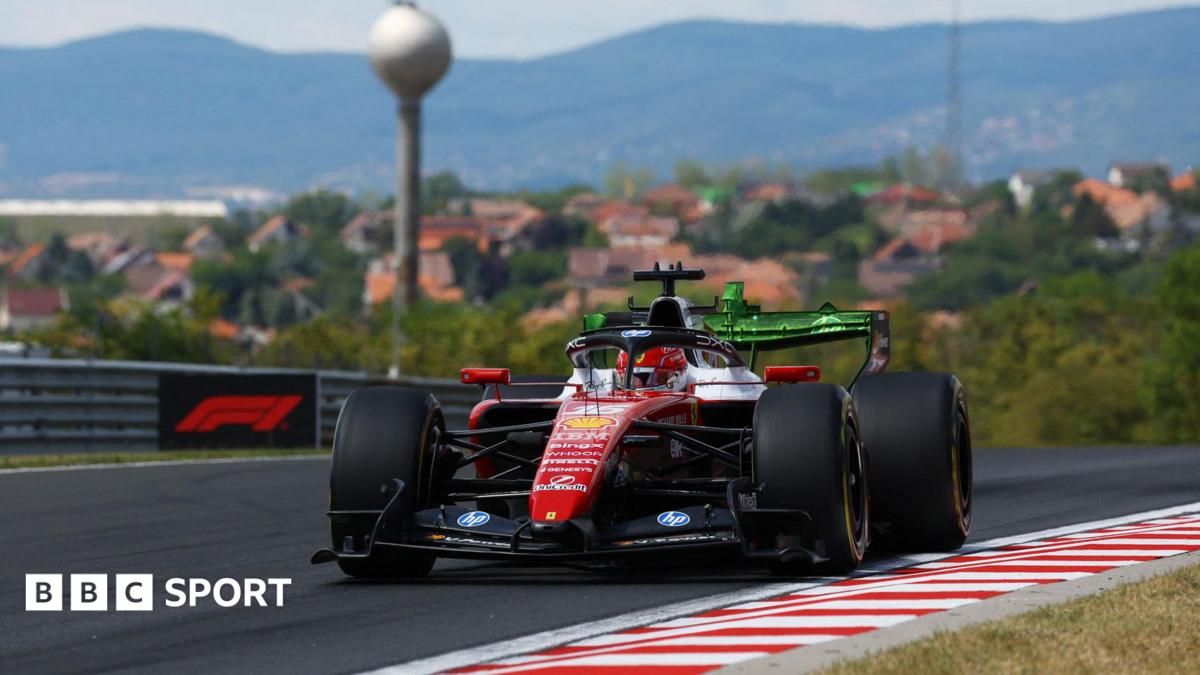
Hungarian Grand Prix Practice: Leclerc Paces Ferrari at Hungaroring
Charles Leclerc topped opening practice as Lance Stroll’s Aston Martin day ended in the barriers. The Hungaroring, as always, punished hesitation.
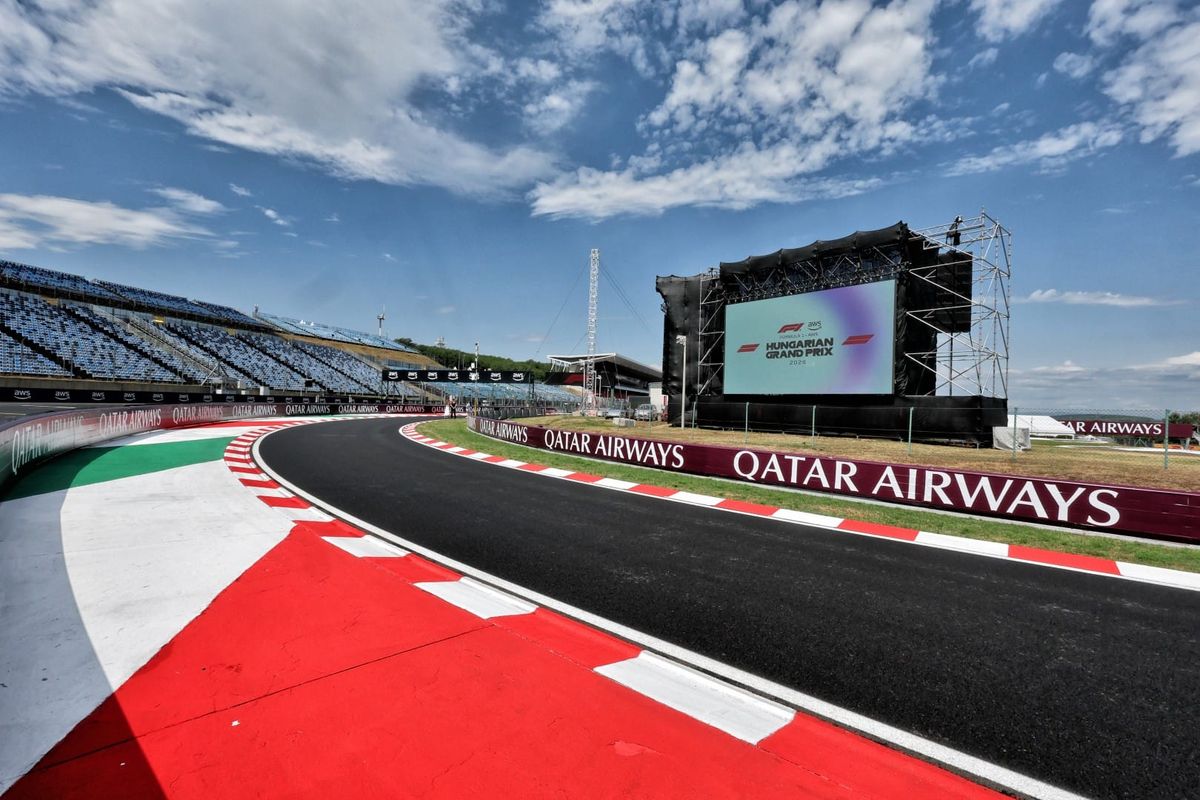
F1 2026 Hungarian GP: Day One lessons from the Hungaroring
Hungary’s media day handed out a clean look at the 2026 F1 pecking order. The new Aston Martin chatter and software tweaks may matter more than the heat.

Azzi Fudd WNBA 3-Point Contest Win: Rookie Makes History
Azzi Fudd turned her All-Star debut into a small, bright landmark, becoming the first rookie to win the WNBA 3-point contest. The shot-making was clean; the symbolism was louder.