
LIV Golf future: what happens without Saudi investment?
The money washed in. Now the bills are due.
 Leo Lupo6 min read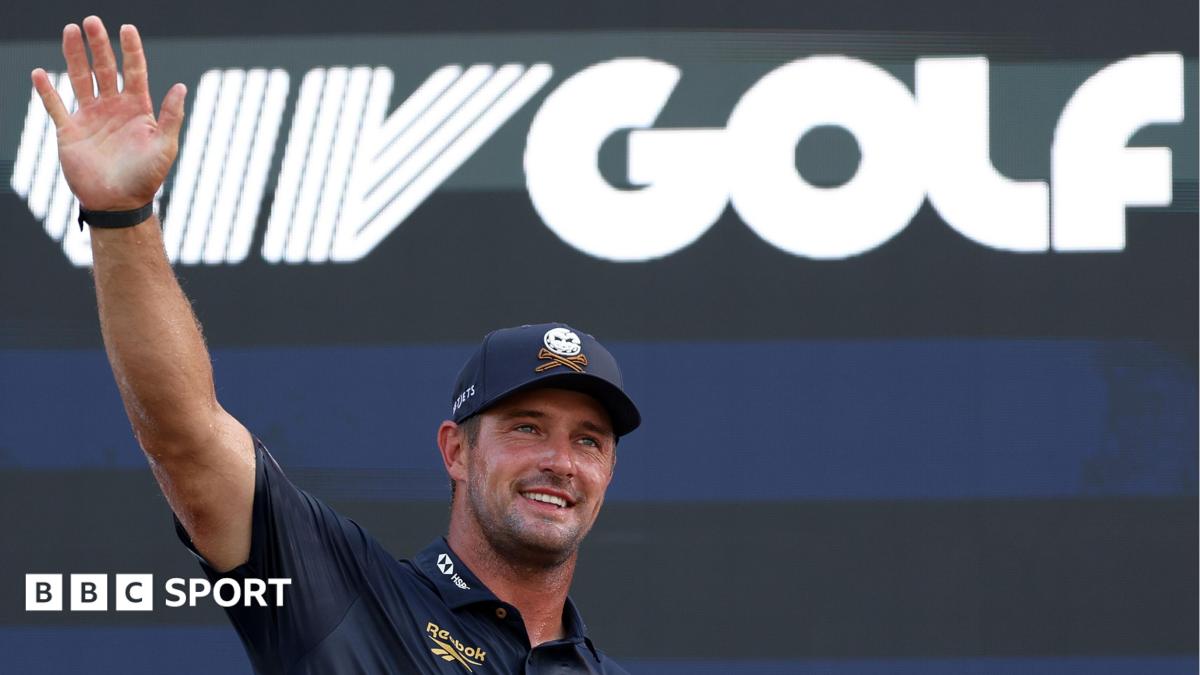
The fat checkbook is no longer the whole story
LIV Golf was built the old-fashioned rich-kid way: open the vault, buy the toys, ask questions later. It rattled the sport, lured stars, forced everyone else to react, and spent years acting like gravity was just a suggestion. Fine. That part is over now. The real question is whether there’s an actual business here once the drip-feed of Saudi investment stops doing the heavy lifting.
And that is where the shine comes off quick. A circuit can survive being different. A circuit can even survive being disliked. What it can’t survive is being unable to explain, in plain English, why players should stay, sponsors should care, and fans should pay attention when the free money isn’t doing the talking.
LIV still has the expensive hardware. It still has name players. It still has the bravado. But bravado doesn’t keep a league alive. Not when the pitch changes from “come take the money” to “come believe in the project.” That’s a harder sell. Always has been.
If there are no players, there is no LIV 2.0. And if there’s no clear plan, the circus looks a lot smaller without the tent poles.
Players want details, not slogans
The next few weeks matter because players are not signing up for vibes. They want structure, schedules, pathways, commitments. They want to know where they stand in a future that apparently no longer comes with an endless blank check attached. That’s not greed. That’s basic professional hygiene.
This is where LIV’s whole model gets tested. For years, it’s been easy to dismiss the criticism as the sour grapes of the traditional golf establishment. Plenty of that was real, too. The PGA Tour has never been some spotless cathedral. But even a flawed old guard has one thing a startup needs to earn: credibility. LIV spent big to buy relevance. Now it has to buy time through trust, and trust is a stubborn little animal. It doesn’t eat marketing copy.
There’s also the simple matter of players being smart enough to read a room. If the future is murky, the best among them start asking whether the next two years will be better than the last two, or just more of the same with a different logo on the hat.
The business model has to grow up
For all the noise around rebel leagues and mergers and peace talks, the underlying issue is dull and brutal: revenue. Not hype. Revenue. If Saudi support is no longer the safety net, LIV has to prove it can generate enough commercial pull to justify its existence. Ticket sales, broadcast value, sponsorship, global brand interest — the whole adult spreadsheet.
That’s the part everybody loves to skip past when the handbags come out. Golf is a strange business to begin with. It’s a sport with wealthy participants, expensive production, and an audience that can be loyal without being large. That makes every new venture a tightrope act. LIV chose to sprint across it wearing platform shoes.
The circuit has made noise in places the sport’s old guard had ignored, and there’s value in that. The format has its fans. The team wrinkle has its believers. But the product still needs a reason to exist beyond disruption. Otherwise it becomes the sporting version of a fancy pop-up restaurant with no repeat business. Nice lighting. Awful rent.
For another look at golf’s restless power shifts, the broader tour landscape is still worth watching alongside this story, including the way established money keeps circling the game from different angles. If you want a reminder that golf’s boardroom never really sleeps, there’s no shortage of movement around the sport’s upper crust.
The ripple effects reach everyone, not just LIV
If LIV gets smaller or shakier, the rest of golf won’t shrug and move on. Players who used it as leverage, the PGA Tour officials who had to respond, the broadcasters trying to make sense of a fractured calendar — all of them are tied to this thing whether they like it or not.
There’s a lesson in that. Breakaway leagues don’t just alter competition. They alter expectations. Once players see one market pay like crazy, every other market gets dragged into the argument. That genie is out, and nobody’s stuffing it back in the bottle. Even if LIV fades into a more modest version of itself, the ripple remains. Golf has already been priced differently.
And let’s not kid ourselves: this is also about leverage in the broader sporting economy. Money in sports has a way of changing the conversation long after the original headlines grow stale. We’ve seen that in other leagues, other continents, other fights over who controls the product and who gets to cash the checks. The labels change. The script doesn’t.
I’ve covered enough of these shiny breakaway stories to know the pattern. First comes the rebellion. Then comes the billing. The rebellion sells tickets; the billing decides whether the place stays open. LIV has spent plenty of time on the first act. Now it’s auditioning for the second, and those are usually the harder pages to turn.
A league can’t float forever on the smell of disruption
This is where the romantic nonsense falls apart. People love to talk about revolutions in sports like they’re all thunder and destiny. Most of them end up as balance-sheet arguments with better lighting. LIV needs more than a good argument against the establishment. It needs a coherent future that doesn’t depend on someone else’s cheque book propping up the dream.
That doesn’t mean the whole thing is doomed. Not even close. It means the easy phase is gone. If the circuit can build a cleaner identity, lock in players who actually want the model, and prove it can survive as a real competition instead of a well-funded insult, then fine — it earns a second life. If not, it becomes another expensive cautionary tale with a slick logo.
And there’s no shame in saying the sport is better when ambition is matched by reality. Golf has been around too long to be fooled forever by flash alone. The game always asks the same question, sooner or later: can you stand on your own fairway?
The next stretch will tell us whether LIV is a lasting reroute or just a very loud detour. The money changed the map. Now we find out if anybody wants to live there.
More from Straight From The Bench
Comments
Join the conversation — sign in to leave a comment.
Sign in to commentRelated Stories
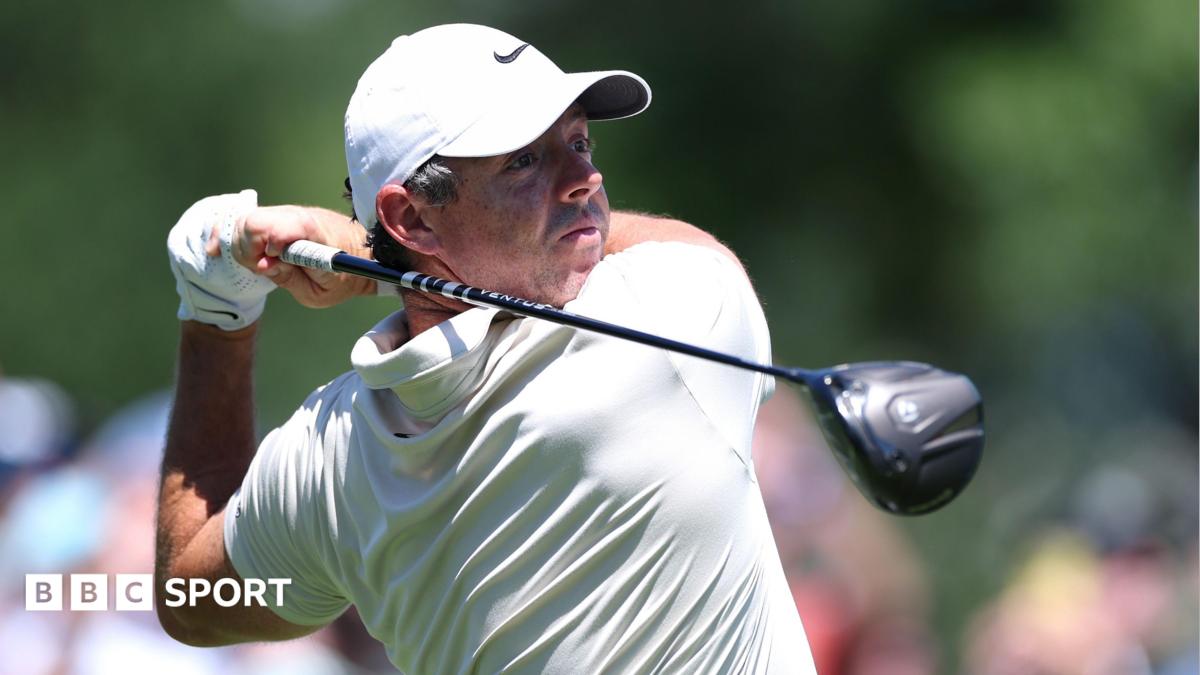
Rory McIlroy BMW Championship: world No. 2 finds his rhythm
McIlroy’s opening 66 at the BMW Championship offered more than a leaderboard share. It suggested the rough patch has started to loosen its grip.
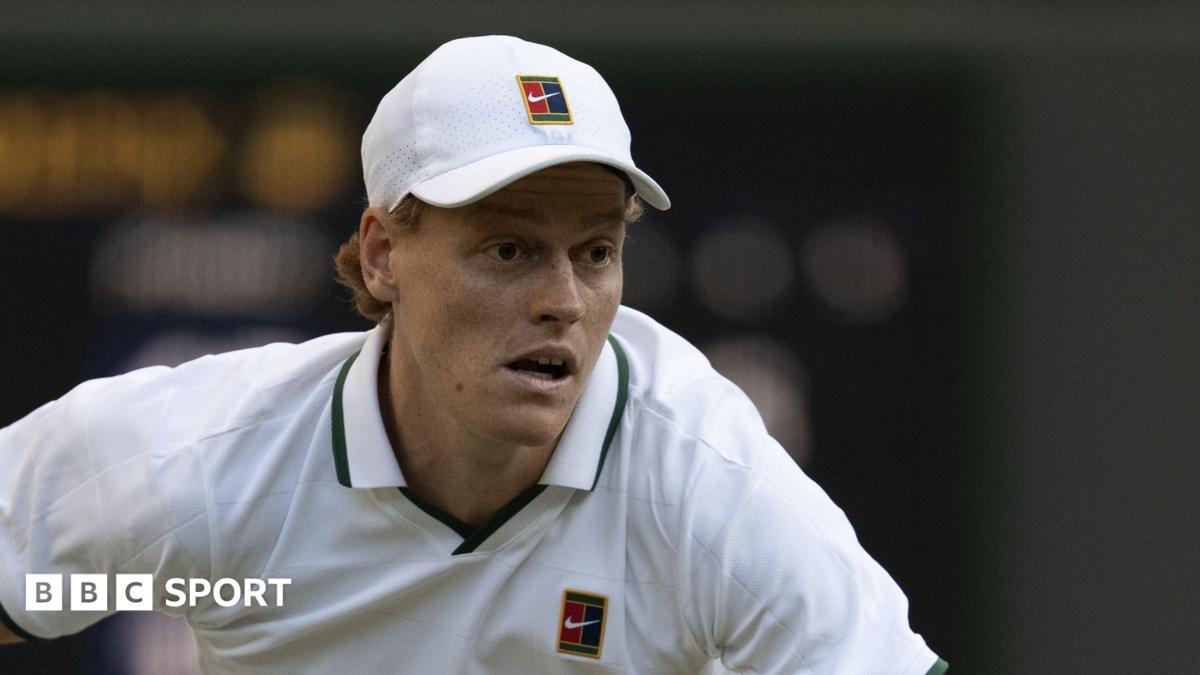
Jannik Sinner US Open 2026 withdrawal: knee injury hits Flushing
Jannik Sinner is out of the 2026 US Open with a knee injury, stripping Flushing Meadows of its reigning power player and reshaping the men’s draw.

Premier League Power Rankings 2026-27: Spurs' Rebuild Test
Tottenham’s next step is less about flair than wiring. The summer spending spree has raised the ceiling, but coherence will decide the floor.