
Jannik Sinner US Open 2026 withdrawal: knee injury hits Flushing
The defending champ leaves New York’s bracket without its biggest draw.
 Zane Miller5 min read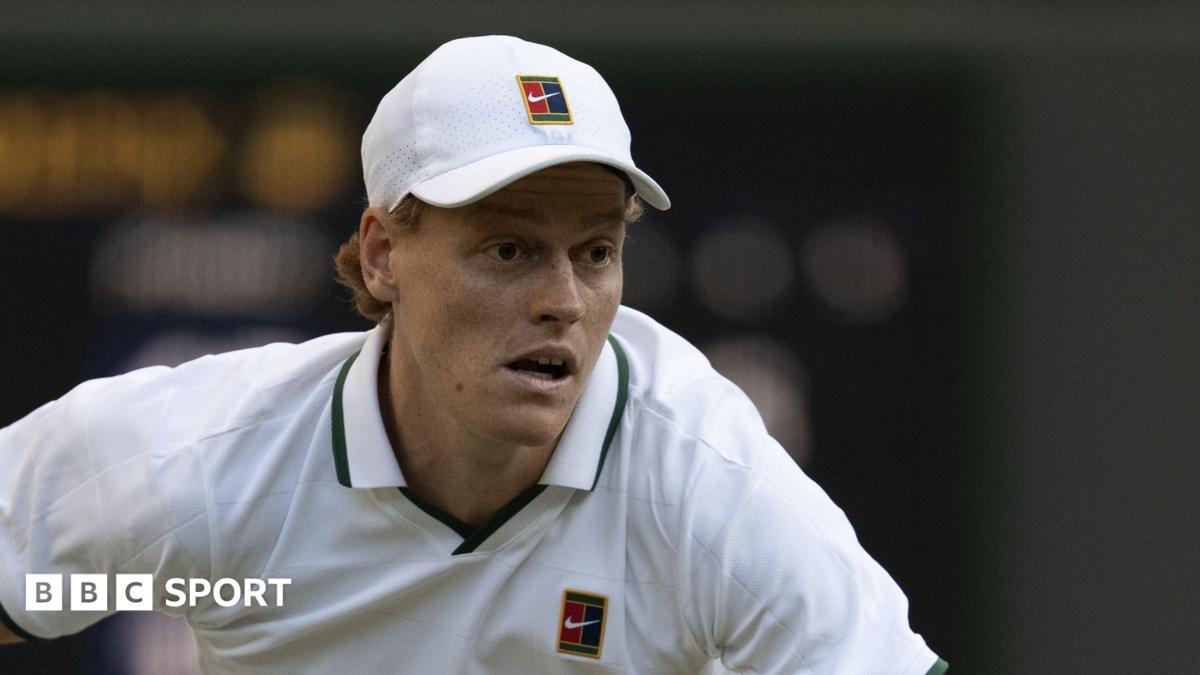
Jannik Sinner walking away from the US Open) is the kind of late-summer jolt the draw never wants. The world No. 1 is out with a knee injury, and suddenly the tournament loses its most reliable baseline machine, the guy who won here in 2024 and made the final again last year. That’s not just a name missing from the bracket. That’s a structural change.
New York has been living off the Sinner-Alcaraz axis for a while now. Strip one half of that out, and the entire men’s side feels different. Less predictable. Less tidy. More open for everybody else trying to wedge a path into the second week. It also leaves the US Open with a much more fragile headline act than organizers wanted heading into the most marketable fortnight on the tennis calendar.
The defending champ is out, and that changes the math
Sinner’s exit matters because he is not some occasional threat riding a hot two weeks. He’s the current standard. When the top seed disappears, it’s more than a withdrawal notice; it’s a redistribution of pressure. Now every contender who has been staring at the bottom half of the draw and waiting for a crack sees a little more daylight.
That’s especially true in a major where hard courts reward clean first-strike tennis and repeatable patterns. Sinner has been one of the best in the sport at taking time away from opponents and turning neutral rallies into his own preferred script. Remove that from the field, and the men’s bracket gets less about surviving the inevitable final and more about surviving the chaos before it.
There’s a bigger business layer too. The US Open sells speed, star power, and a clean rivalry ladder. Sinner has been right at the center of that. The tournament can still market the event, obviously — Carlos Alcaraz remains a magnet, and the field still has plenty of firepower — but losing the defending champion before the event starts is the kind of hit that changes TV packaging, daily buzz, and the tone of the first week.
What this means for Alcaraz, the chase pack, and the bracket
Alcaraz is the obvious beneficiary in the optics department. Rivalry sports are built on continuity, and Sinner vs. Alcaraz has become the best recurring pitch tennis can make right now. The problem is, you can’t sell a duel if one combatant is in street clothes.
That doesn’t hand Alcaraz a free lane, though. Tennis doesn’t work like that. It just redistributes danger. Someone from the chase pack is going to smell blood, and the players who thrive in New York are usually the ones who don’t need perfect conditions to win ugly. That’s where the middle tier gets dangerous.
This is also where the rankings conversation gets noisy. Sinner remains world No. 1 for now, but a major absence always starts the same conversation: points, durability, and whether the tour’s most consistent players are being asked to run too hot for too long. The calendar doesn’t care who is hurt. The draw keeps moving.
When the top seed leaves a major before a ball is struck, the tournament doesn’t just lose talent — it loses its spine.
The knee piece is the only story that really matters
Forget the bracket for a second. The knee is the story.
Tennis players can talk their way through a lot of discomfort, but knee issues are not the kind you bluff through at a two-week Slam, not in the heat, not on hard courts, not with best-of-five matches waiting. A player can manage a back. Players can tape over a wrist. Knees are different. They touch every part of the movement chain — the serve plant, the split step, the change of direction, the recovery after long rallies.
For a player like Sinner, whose game is built on balance and repeatable explosiveness, the margin for half-health is tiny. If he’s not right, there’s no point pretending otherwise. That’s the kind of decision that may frustrate fans in the short term and protect his season in the long term.
I’ll say this plainly: the smartest stars have learned not to donate majors to their own body. You can see the modern line in Novak Djokovic, Rafael Nadal, and now this generation too. The great ones are ruthless about preservation because they know the schedule will not rescue them later. If Sinner’s camp judged this knee issue as a real threat, then the withdrawal is not weakness. It’s portfolio management.
New York loses a final boss, but the tournament gets louder
There’s a weird truth to injuries at majors: they hurt the product and open the drama at the same time. The US Open wants its biggest names, but the chaos of an exposed draw can create fresh storylines fast. Suddenly every early-round upset matters a little more. Every seed in trouble becomes a possible hole in the bracket. Every dark horse gets oxygen.
That’s good for the sport in one sense, even if it’s bad for the headline. Tennis has been trying to widen its star base beyond the obvious two-man or three-man conversation for years. This is the unplanned version of that. The field gets a little more democratic. The path gets a little more volatile.
Still, there’s no way around it: the event is better with Sinner in it. He gives the men’s draw pace, edge, and a sense that the second week is building toward something real. Without him, the title race becomes more elastic. Less defined. And for a tournament that loves its center stage, that’s a nasty little twist.
The draw is still coming. The noise is just different now. And in New York, different is usually where the chaos starts.
More from Straight From The Bench
Comments
Join the conversation — sign in to leave a comment.
Sign in to commentRelated Stories
Carlos Alcaraz US Open 2026 return after wrist injury
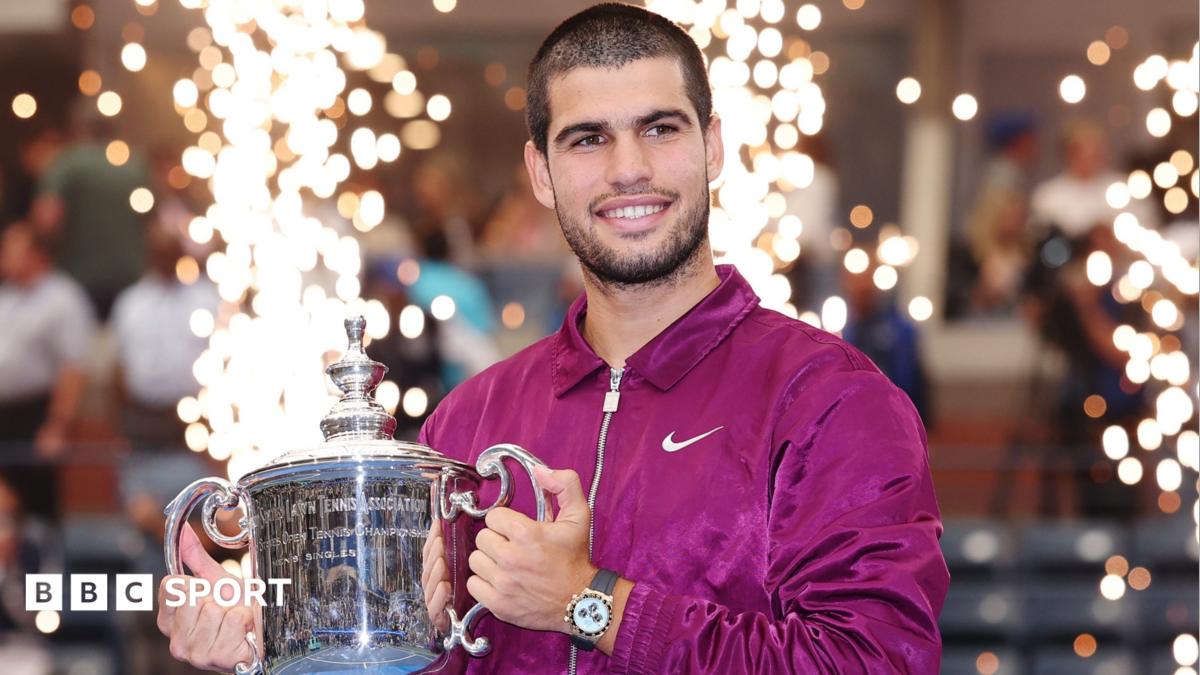
Carlos Alcaraz is set to return at the US Open after four months out with a wrist injury. New York gets its headline act back, and everyone else gets a problem.
Nick Kyrgios ban: cocaine test case could reshape his season
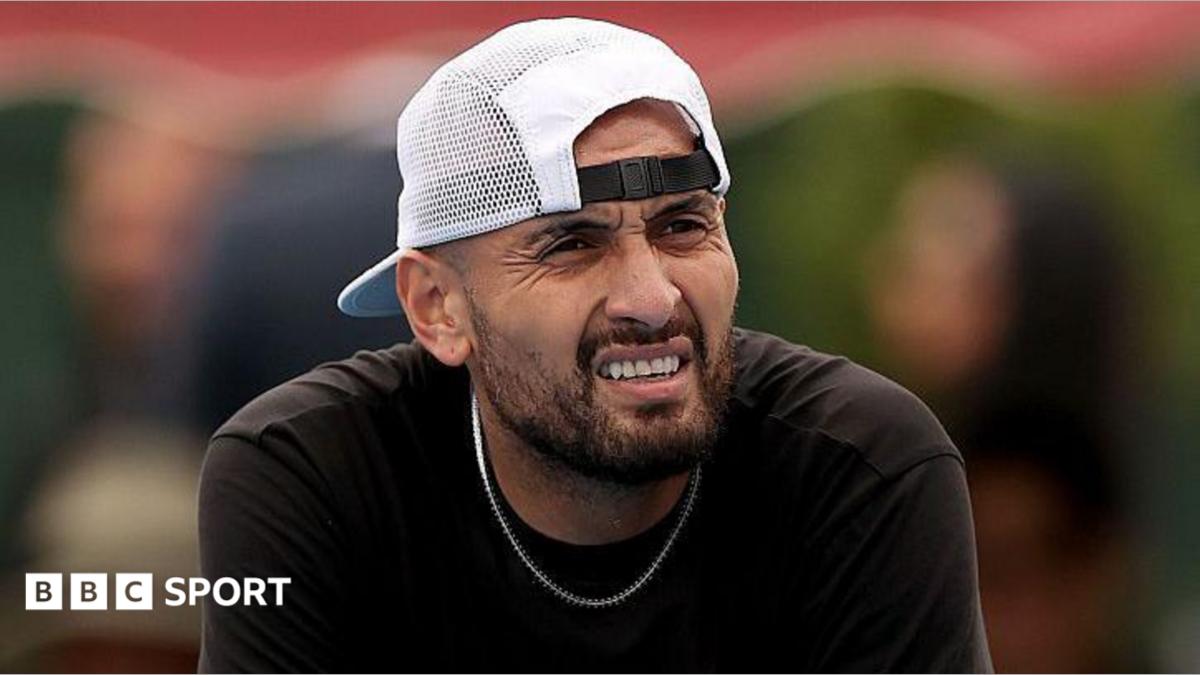
Nick Kyrgios’ fate hinges on timing, proof, and the unforgiving logic of anti-doping rules. The question is less about talent than accountability.

Nick Kyrgios Suspension: Cocaine Positive Tests Put Career on Ice
Nick Kyrgios has been provisionally suspended after testing positive for cocaine. The talent was never the question; the wreckage keeps piling up.