
Carlos Alcaraz US Open 2026 return after wrist injury
The defending champ is back in New York — and the draw just got louder.
 Zane Miller5 min read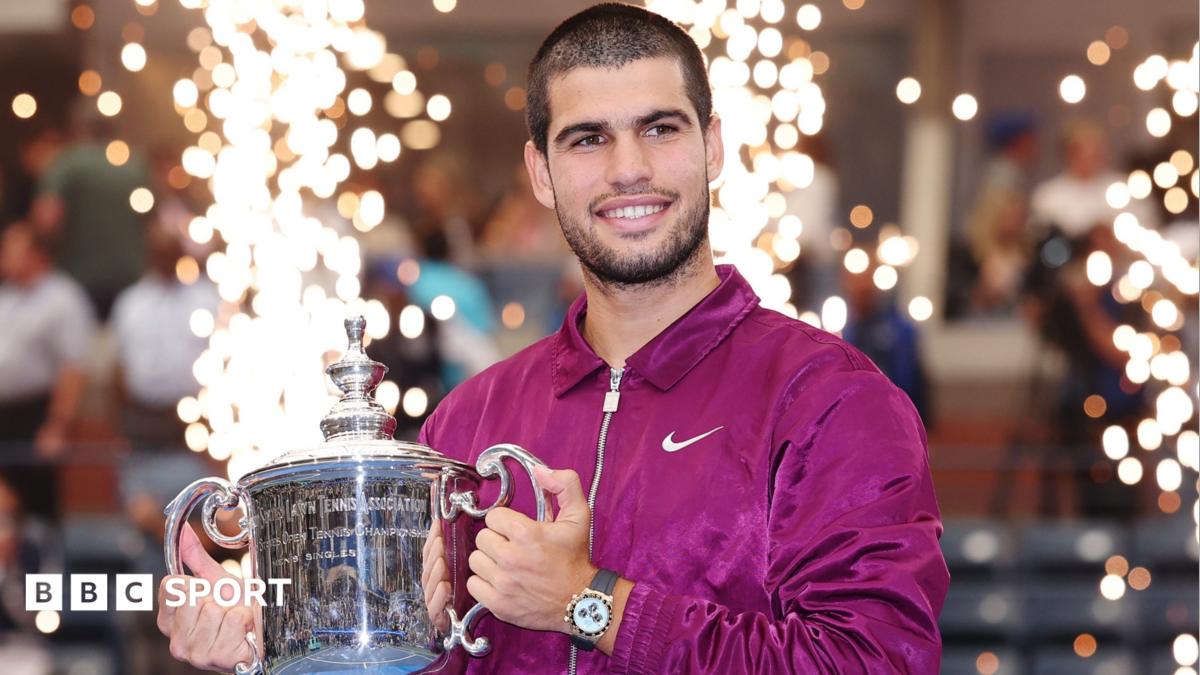
Carlos Alcaraz is back on the board for New York, and that changes the temperature of the US Open) before a ball is even struck. Four months on the shelf with a wrist injury is a real interruption, not a cosmetic pause. For a player whose whole edge is built on explosion, timing, and fearless movement, the return point matters as much as the return itself.
He’s the defending champion, he’s still one of the two or three biggest draws in men’s tennis, and he’s walking back into the loudest arena in the sport with his name already written on the ticket. That part is easy. The harder part is the tennis. Wrist injuries don’t just steal match rhythm. They mess with the smallest mechanics in the sport — the kind that decide whether a forehand lands six inches inside the line or sprays long under pressure.
Why this return is not just about star power
Alcaraz missing four months is a bigger deal than the usual grand-slam absentee note because he’s not a volume grinder who can ease back in by taking half-speed swings and living off serve placement. He plays on the edge. That’s the brand. The body language, the sprinting saves, the sudden acceleration from defense to offense — that’s what makes him different from a typical top seed.
This is where the ATP Tour ecosystem gets interesting. Tennis is loaded with elite talent, but only a handful of players force the entire event structure to bend around them. Alcaraz is one of them. His presence gives the draw a center of gravity. It changes the way broadcasters sell the tournament, the way fans plan their nights, and the way the other contenders stare at the bracket.
And let’s be honest: New York loves a recovery arc as long as the player looks dangerous in the first week. If he’s tentative, every round becomes a referendum. If he’s sharp early, the whole tournament gets a jolt.
A healthy Alcaraz turns the US Open from a tournament into a stress test for everyone else.
The wrist injury question is about more than pain
The obvious concern is whether he can hit his forehand with full conviction. The less obvious one is whether he trusts it under duress. That’s the real line between returning and truly contending. Tennis memory is cruel. A player can be medically cleared and still spend a match protecting one side of the body, especially against opponents who relentlessly force repeat swings.
A wrist issue also changes how aggressive you can be on serve returns and transition shots. That matters at Flushing Meadows), where the court rewards pace but punishes hesitation. If Alcaraz shortens points because he’s avoiding extended exchanges, he may actually be making a tactical trade that keeps him alive early but caps the ceiling later.
This is why his first few matches are going to be scrutinized like they’re late-round tape. Not just results. The little stuff. Two-handed backhand stability. Reach on the stretch. Reaction time after long rallies. The post-point face, which on Alcaraz is usually half celebration, half adrenaline dump. If that looks flat, people will notice immediately.
What it means for the bracket and the other contenders
The men’s side already has enough pressure points without a returning champion re-entering the chaos. A fit Alcaraz changes seeding math, match-up planning, and the whole psychological tone of the event. Players who were quietly thinking about a path through the draw now have to revisit that map.
It also raises the stakes for the other top names. If he’s even close to his usual level, nobody wants him in a quarterfinal or semifinal slot. That’s the ugly beauty of a player like Alcaraz: the best version of him doesn’t just beat you, it forces you to spend emotional capital before the match starts. Opponents know they may need to serve at a ridiculous level for four sets just to keep the door open.
And for the tournament itself, this is pure oxygen. The US Open does not need help producing noise, but it always wants a storyline that feels immediate. A defending champion returning from injury is about as immediate as it gets.
Zane Miller’s read: this is where tennis gets real
I’ve covered enough of these comebacks to know the script by heart. The press release language is always smooth. The body, not so much. A wrist injury for a player like Alcaraz is one of those problems that can look healed and still be very much present the minute the match turns physical.
My read? The expectations should split in two. Short-term, the key is whether he can survive the early rounds without guarding the wrist or compromising the forehand shape. Longer term, this is where he either reasserts himself as the center of men’s tennis or reminds everyone how thin the margin is between being unstoppable and being vulnerable. That’s the modern sport now: brutal, compressed, and impatient.
If he looks like himself in New York, the rest of the field has a real problem. If he looks even 15 percent off, the door opens for the kind of grinder who lives off attrition and draws belief from a wobble. Tennis has seen this movie before. Stars return. The crowd cheers. Then the match starts, and everyone finds out whether the injury was a headline or a limitation.
The first set he plays will tell us a lot. The first five minutes may tell us enough.
More from Straight From The Bench
Comments
Join the conversation — sign in to leave a comment.
Sign in to commentRelated Stories
Jacob Wilson Injury Update: Athletics Shortstop Likely Done For Year
Jacob Wilson’s shoulder has pushed him back to the injured list, and the Athletics may be looking at life without their shortstop the rest of the way. For a club already living through a long injury l
Nick Kyrgios ban: cocaine test case could reshape his season
Nick Kyrgios’ fate hinges on timing, proof, and the unforgiving logic of anti-doping rules. The question is less about talent than accountability.

Nick Kyrgios Suspension: Cocaine Positive Tests Put Career on Ice
Nick Kyrgios has been provisionally suspended after testing positive for cocaine. The talent was never the question; the wreckage keeps piling up.