
Jacob Wilson Injury Update: Athletics Shortstop Likely Done For Year
Another bright Oakland-born promise meets the hard arithmetic of a lost season.
 Beatrice Kensington6 min read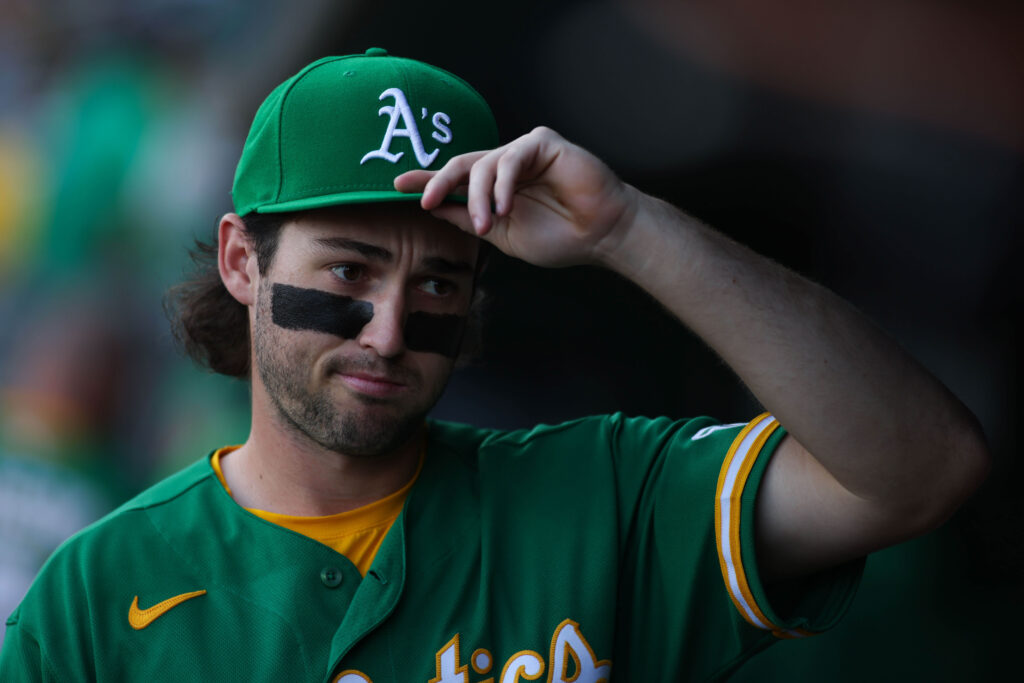
Jacob Wilson’s season may be ending the way too many promising seasons do in Oakland’s long, weathered baseball story: not with a roar, but with a quiet return to the injured list and the sense that the walls have closed in. The Athletics shortstop has been battling a left shoulder issue, and the latest word is that he is likely finished for the year. In a summer already crowded with absences and attrition, that is not a footnote. It is a bruise the club will carry into September and beyond.
The Athletics have spent much of this season trying to stitch together a lineup from fragments. Wilson was one of the few players whose value extended beyond a batting average or a line score. He brought poise to the middle infield, the kind of clean, instinctive defense that calms an infield and gives a pitching staff a little more trust in its own future. A young shortstop can be more than a position. He can be a signpost.
A shoulder issue that changed the shape of the roster
Shoulder injuries are cruel because they do not always announce themselves in loud, cinematic fashion. Sometimes they arrive as a small drag on the swing, a throw that carries a little less conviction, a body that begins to compensate for pain in ways that invite worse pain. For a shortstop, whose work is built on quick transfers and hard throws from awkward angles, the shoulder is not an accessory. It is the engine.
That is why this matters more than the usual late-season injury churn. Wilson’s likely shutdown does not merely remove a bat from the lineup; it threatens the development arc of a player the Athletics surely hoped would become part of their next competitive core. The club has long sold patience as a virtue, but patience is a harder pitch to throw when the injuries keep stripping away the players meant to justify it.
There is also the unromantic business of roster construction. When a young everyday player goes down, especially on a club that has already been forced into improvisation, the ripple effects reach everywhere. The infield alignment shifts. The bench thins. The manager starts asking less about upside and more about whether the glove can survive another series without a collapse behind it. The season changes shape.
What Wilson’s absence says about the Athletics’ present
This is where the human cost of baseball’s long season comes into view. Fans talk about rebuilding as though it is a clean architectural project, as if you can raise a new club from numbered blueprints and baseball-card optimism. The truth is messier. Rebuilding is often a parade of partial summers, aching arms, and players learning, in public, what their bodies will and will not allow.
Wilson’s situation also underscores the precarious life of a young major leaguer trying to establish himself before the league establishes him. Health is not just an individual matter; it is currency. It determines whether a player gets the runway to prove the tools are real. For a shortstop, especially, every missed month can feel like a lost chapter, because the position has always been tied to reliability, to the old baseball idea that the man in the middle must be steady while everything around him trembles.
The Athletics are not alone in this. Abdul Carter Joint Practice Fight: Giants-Dolphins Flashpoint reminded us recently how quickly one moment can change a team’s emotional weather; in baseball, the change is slower, but no less punishing. One injury becomes two. Depth becomes damage control. And a season that began with a plan ends by asking only for survival.
Wilson’s loss is not just about one infielder. It is another reminder that the Athletics’ rebuild is being asked to survive on broken timelines.
The developmental toll is the real story
I keep coming back to the players themselves, because the standings often flatten them into inventory. Wilson is not a spreadsheet entry. He is a young athlete being asked to learn the major leagues while his body interrupts the lesson. That is a difficult place to live, especially for a player whose glove may already be ahead of his bat in terms of major league certainty.
I have written long enough about baseball to know that organizations often speak about development as though it were linear, a staircase climbed one neat rung at a time. It rarely works that way. More often it is two steps forward, one step back, then a month of treating discomfort as a side note until the body refuses the lie. The clubs that handle that reality well tend to be the ones that respect the player as a person first and a projection second.
That is the lens I bring here. Not sentimentality. Not softness. Just a recognition that a season lost to injury is not simply lost production. It is an interruption in a young player’s claim to himself. Wilson will have more baseball ahead of him if the shoulder cooperates. The question is whether the Athletics can keep enough of their young foundation intact long enough to make those future seasons matter.
If you want the broader context, this is the same organizational ache that shadows nearly every conversation about the next wave of Athletics talent. The club can point to promise, to arms and bats waiting in the distance, but promise is only a bridge if bodies cross it. The day-to-day grind of MLB does not reward abstraction. It rewards the healthy, the available, the stubbornly present.
What to watch as the season winds down
The immediate focus now is simple: whether Wilson’s year truly is over and how the Athletics map his recovery. A shutdown may sound like surrender, but it can also be the rare act of restraint that preserves a player’s next three seasons. In that sense, the calendar may be the club’s best ally.
After that comes the larger reckoning. Who absorbs the innings at short? Who stabilizes the infield in the final weeks? And perhaps most tellingly, how many more of these injury notes can one roster absorb before the whole rebuilding narrative starts to feel less like progress and more like endurance theater?
The San Francisco Giants Tugboat Wilkinson Debut: What It Means offered a reminder that young-player stories can still carry hope when the timing is right. Wilson’s story, for now, is the harsher twin: talent meeting resistance before it can fully bloom.
The Athletics will keep playing. Of course they will. Baseball is merciless that way. But this one hurts because it reaches past the box score and into the patient, uncertain work of building something that lasts. The shoulder will heal or it will not. The season, for Wilson, is likely already gone. What remains is the larger question, the one every rebuild eventually has to answer in the dark: how many promising pieces can a club afford to lose before the future starts to look like a rumor?
More from Straight From The Bench
Comments
Join the conversation — sign in to leave a comment.
Sign in to commentRelated Stories
Carlos Alcaraz US Open 2026 return after wrist injury
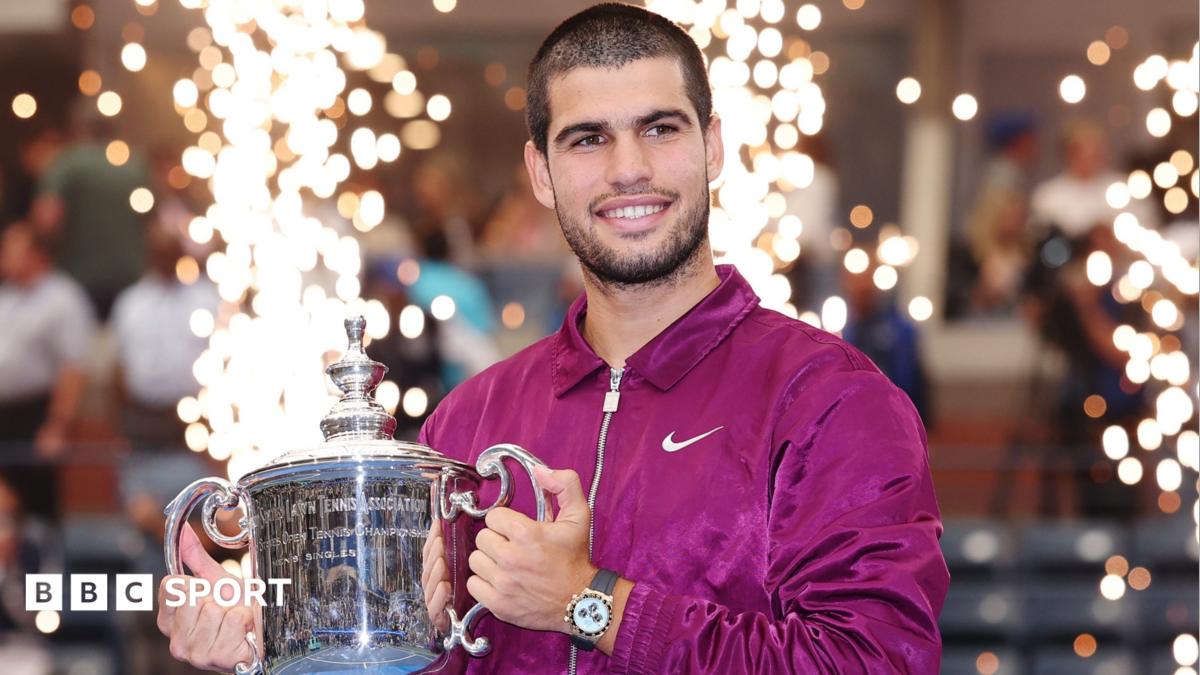
Carlos Alcaraz is set to return at the US Open after four months out with a wrist injury. New York gets its headline act back, and everyone else gets a problem.
San Francisco Giants Tugboat Wilkinson Debut: What It Means
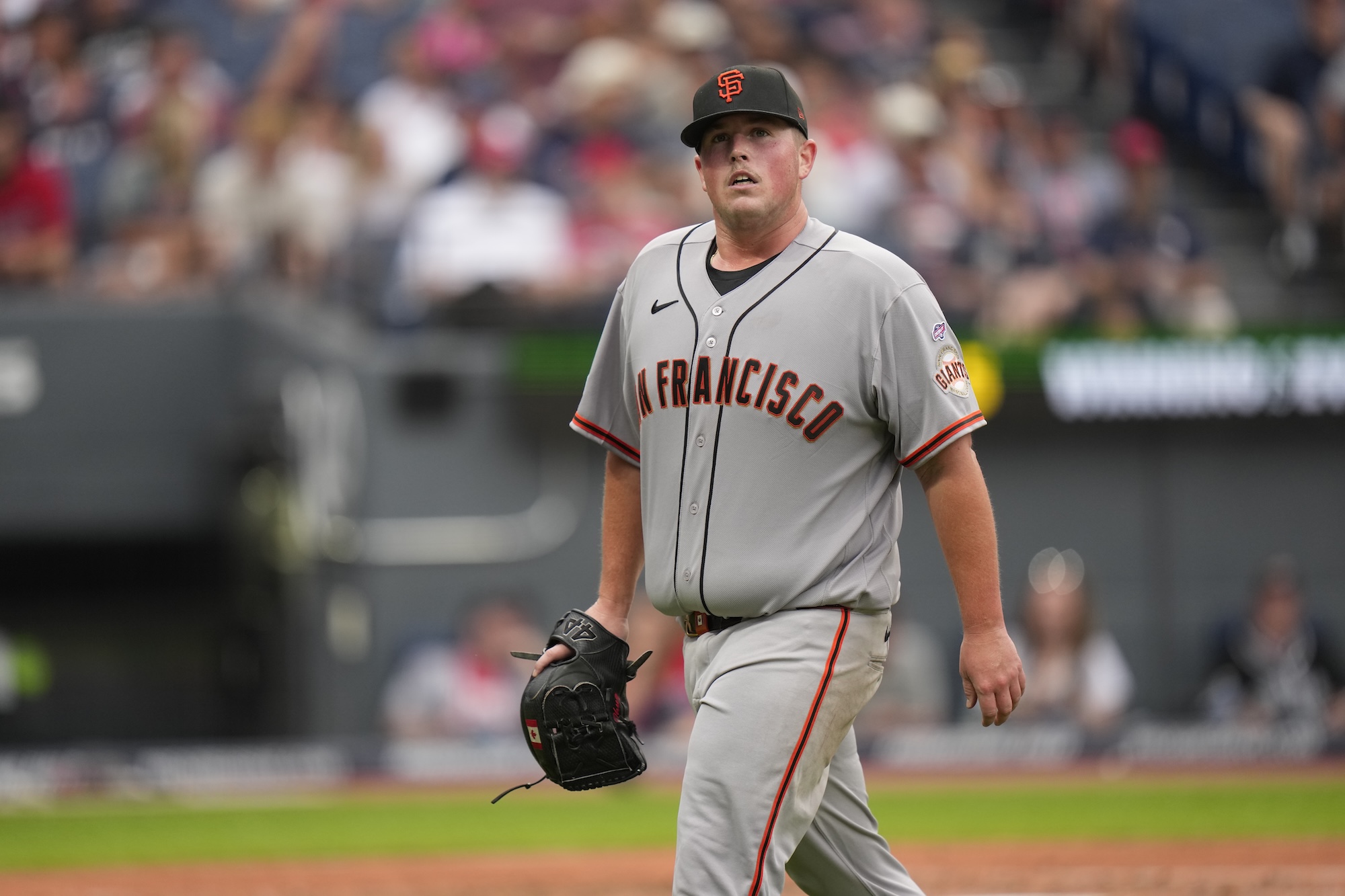
Tugboat Wilkinson arrived in the majors with a name built for headlines, but the Giants didn’t exactly let him open the throttle. The debut says plenty about timing, usage, and what San Francisco thin
Orioles MLB technology criticism after Alonso foul-call controversy
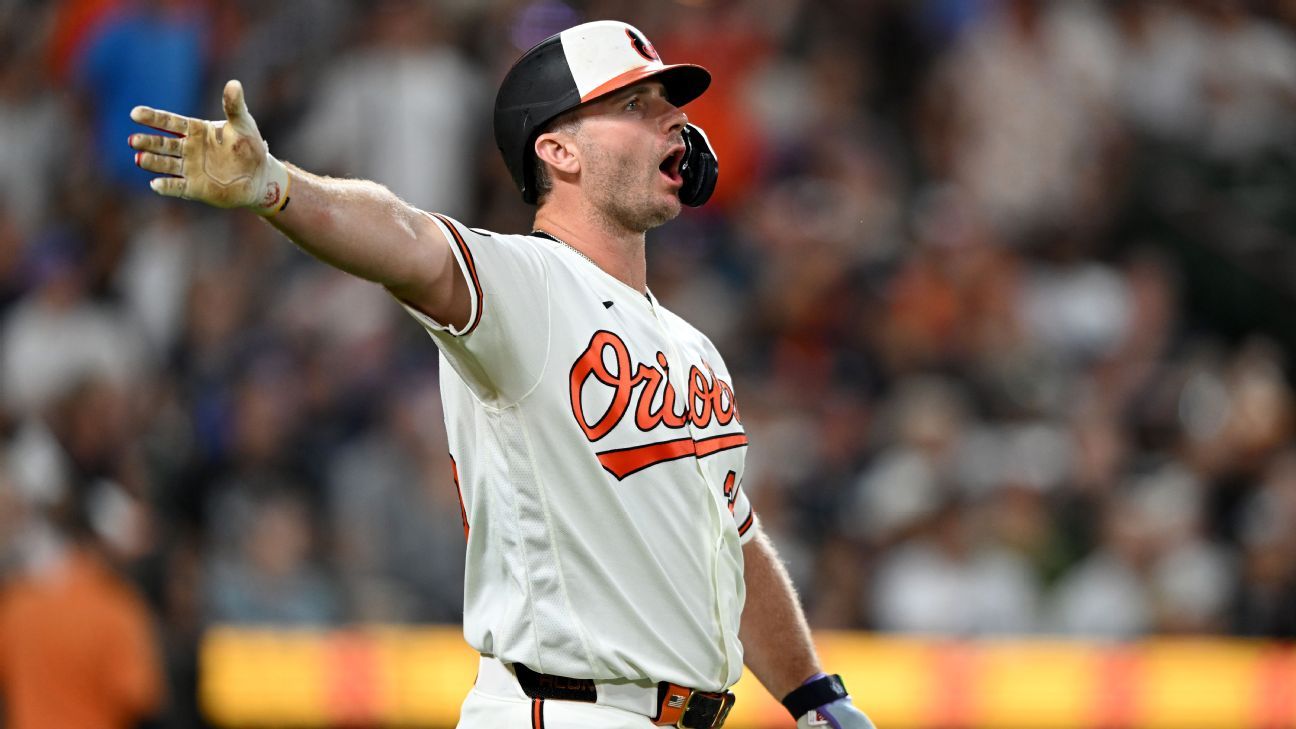
Baltimore didn’t just lose a review. They got a reminder that MLB’s tech stack still has blind spots where judgment meets optics.