
Orioles MLB technology criticism after Alonso foul-call controversy
The foul-pole problem is now a league credibility problem.
 Zane Miller5 min read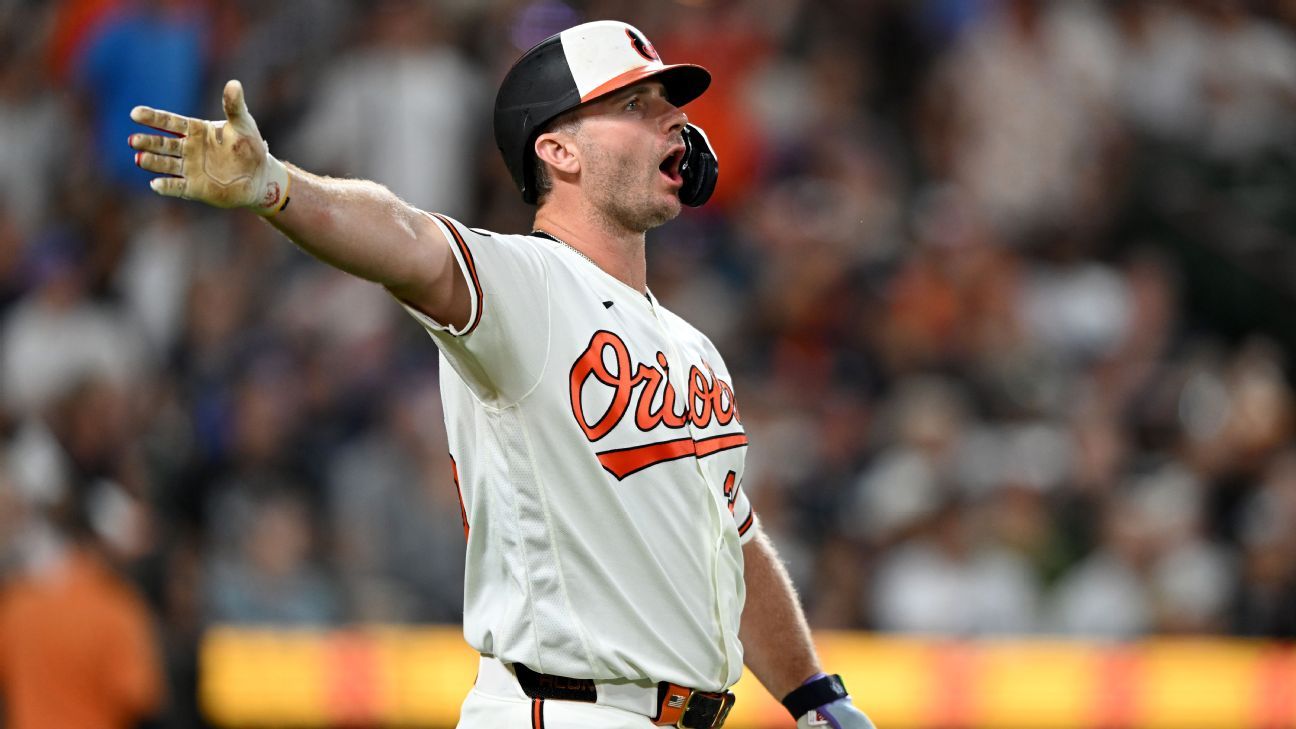
The Baltimore Orioles didn’t sound like a team airing a routine gripe Wednesday night. They sounded like a club staring straight at one of baseball’s most awkward modern truths: MLB can track spin rates, chase balls and strikes with tech, and still leave a massive gray area at the foul pole.
Pete Alonso’s deep drive to left was ruled foul, then upheld on review against the New York Yankees. That’s the part that will stick. Not just the call. The fact that the review process — the league’s supposed safety net — didn’t settle anything in a moment that looked like it begged for certainty. Baltimore’s criticism was less about one play and more about the brand problem baked into the system.
The foul-pole gap is baseball’s ugly little secret
MLB has spent years selling the idea that technology can clean up the mess. And in most places, it has. The strike zone has gotten tighter. Replay has shaved off some of the worst misses. The sport looks more modern than it did a decade ago.
But foul calls near the line remain one of those old-school pockets where the league’s confidence runs out fast. If the ball is screaming near the pole, fans in the building know it. The dugout knows it. The booth knows it. And still, everyone is waiting on a human interpretation layered over technology that apparently isn’t quite there yet.
That’s why this one landed. Not because every marginal call needs a congressional hearing. Because MLB has been pushing the idea that if you trust the system, the system will get you there. Wednesday was a reminder that the sport still has unresolved geometry.
Why Baltimore made this a bigger story
The Orioles are in a spot where every edge matters. This is a team built to play fast, pressure defenses, and turn games on the margins. That kind of club notices when the margins are fuzzy. A disputed foul ball in a tight game doesn’t just cost a swing. It can alter an inning, a bullpen plan, a manager’s leverage map for the rest of the night.
And Baltimore also knows how these moments play publicly. Modern teams aren’t just arguing for the next call. They’re arguing for how the league looks in the feed, on replay, and in the millions of phone screens that catch the clip before anyone hears the explanation. That’s the real battlefield now.
I’ll say it plainly: this is the kind of thing that makes baseball sound behind the times even when the league thinks it’s being progressive. MLB can’t keep asking fans to accept precision everywhere else and then shrug when the ball disappears into the one zone where precision matters most.
Baseball’s tech problem isn’t that it’s too much. It’s that it’s still not complete where the optics are worst.
Alonso, the Yankees, and the review that didn’t really resolve anything
For the Mets, Pete Alonso is the kind of hitter whose contact creates instant theater. For the Yankees, any ball that flirted with the line was always going to become a public argument. Put those ingredients together and you get exactly what Wednesday produced: a play that fans will replay a hundred times and still not feel settled about.
That’s the nerve here. Review was supposed to reduce the theater. Instead, it preserved the uncertainty. The official outcome may be final, but it didn’t feel definitive. That gap matters because baseball lives and dies on whether its rulings look credible in real time. Once the broadcast angle and the fan angle diverge too far, trust starts leaking.
This is also where the league’s broader tech conversation comes back into focus. MLB has leaned into automation in areas that shape the nightly experience, and it’s not crazy to think foul-pole tracking should be next on the list. If the league can refine the strike zone conversation to the point where everyone’s arguing philosophy instead of eyesight, it can at least try to bring the same seriousness to boundary calls.
What this signals for the next push in MLB tech
Teams are not just complaining for the sake of it anymore. They’re building a case. The more these edge calls become part of the weekly conversation, the more pressure MLB gets to address the one area where replay still feels half-built.
The politics of it are obvious. Owners don’t want another expensive tech rollout unless the payoff is undeniable. Managers want clarity, not new reasons to wait. Players want consistency above all else. And fans? They want the league to stop making them squint at television replays like amateur forensic analysts.
If you want a parallel for how this stuff grows, look at every major sports league that waited too long to modernize a visible problem. Once the public decides the league is protecting process over fairness, the fix becomes inevitable — just more embarrassing than it needed to be.
Baltimore’s complaint won’t solve this tonight. But it added heat to a conversation that was already moving. And the next time a ball hugs the line, everybody in the building is going to remember this one.
The foul pole isn’t a minor issue anymore. MLB is being told, loudly, to treat it like a real one. If the league doesn’t move, the next controversy will write the same story for it.
More from Straight From The Bench
Comments
Join the conversation — sign in to leave a comment.
Sign in to commentRelated Stories

Seattle Mariners Bounceback Win: Early Eruption Beats Brewers 7-5
After a historic loss, Seattle came out firing with four runs in the first and held off Milwaukee 7-5. That’s how a club stops the bleeding.

Giants Claim Philip Abner: Why the Waiver Pickup Matters
San Francisco has added left-hander Philip Abner after Arizona’s waiver move, a quiet claim with real roster logic. These are the edges contenders and hopefuls sharpen in summer.

Cubs vs White Sox: Cubs offense disappears in 3-0 loss
The Cubs had the sunshine and the South Side rivalry. They did not have the bats, and that’s the part that travels home with you.