
Nick Kyrgios ban: cocaine test case could reshape his season
A private reckoning now sits in the harsh daylight of tennis discipline.
 Beatrice Kensington5 min read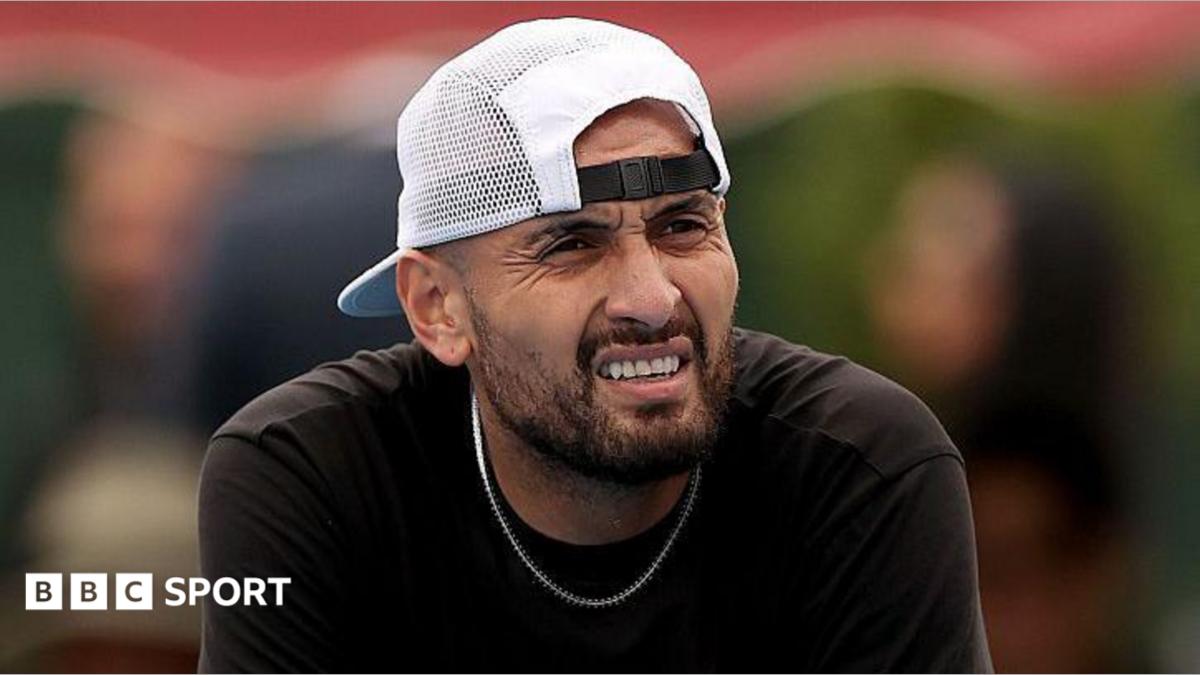
Nick Kyrgios has never lived quietly, and this latest chapter offers no such mercy. A positive test, a possible ban, and a dispute over whether the substance was taken in or out of competition have turned his case into something larger than one player’s trouble. It is now a test of process, timing and the way tennis chooses to police its own bloodstream.
A ban that may hinge on a clock
The detail that matters most is not the name on the front page, but the calendar. In anti-doping cases, timing can change everything, because the rules treat in-competition and out-of-competition use differently. If Kyrgios can show the cocaine was taken away from match play, the sanction may be lighter than the harsher penalties that attach to use around competition windows.
That distinction may sound technical, almost sterile. It is anything but. In a sport that has spent years trying to convince the public it treats integrity as sacred, one test result becomes a referendum on whether the system can still distinguish between recklessness and competitive corruption.
Kyrgios, the 2022 Wimbledon finalist, has long occupied tennis’s dangerous borderlands: brilliant enough to pull crowds, volatile enough to make every appearance feel like an event with a fuse. This is not the usual injury bulletin or scheduling nuisance. This is the sort of matter that stains reputation before it ever reaches a tribunal.
What tennis is really judging here
The International Tennis Federation and its anti-doping framework do not merely weigh a sample. They weigh credibility, explanation, and whether the athlete can persuade officials that the violation belongs to a different category of offense. That is why this story has so much legal smoke around it. The science may be simple; the consequences are not.
The difference between a shorter sanction and a serious one may come down to what he can prove, not what people already assume.
That is a brutal standard, but sport has always preferred standards to sympathy. And yet sympathy, inconveniently, is part of the public ledger here. Kyrgios has been one of tennis’s great irritants and one of its great attractions, the rare player who can make a first-round match feel like a referendum on the sport’s mood. When a figure like that runs into a doping case, the audience brings its own history to the judgment.
There is also the matter of trust. Tennis has not always been generous with it. For every clean procedural answer, there is a fan who hears only the word “positive” and assumes the rest. That is the burden Kyrgios carries now, fair or not.
Kyrgios and the fragile economy of attention
This is where the tennis economy gets exposed. Kyrgios has always been both performer and lightning rod, and in that sense he resembles few players in the modern game. He is not just a line item in a draw; he is box-office volatility. The sport uses personalities like his to sell tickets, to fill stadiums, to keep casual fans from drifting away after the fourth baseline rally. Then, when the behavior turns toxic or the headlines curdle, the same sport reaches for discipline and calls it principle.
That tension is not unique to Kyrgios. We see it whenever a sport depends on spectacle and then recoils from the mess that spectacle brings. The clean, polished version of tennis is what sponsors prefer. The human version is what audiences often remember.
For Kyrgios, the question now is not whether he can still hit a ball with the kind of improvisational genius that once made him look like a storm given a racquet. It is whether he can steady the narrative around his career long enough to matter again. The coming decision may determine whether the next chapter is about a return, or about an expensive pause.
I keep coming back to the strange moral geometry of cases like this. Tennis is a sport that asks for composure, routine, repetition; it rewards players who can make virtue look like habit. Kyrgios has always arrived as an exception, a restless interruption to the orderly script. That does not make him guilty of anything by default, but it does mean the sport will greet him with less patience than it offers its quieter sons.
My view is simple: the issue here is not whether the public likes him, or whether he has once again become tennis’s favorite trouble magnet. The issue is whether the anti-doping process can remain precise enough to be taken seriously, even when the player involved is famous enough to warp the conversation around him. If the rules are elastic for celebrities, they are weak for everyone else. If they are rigid without regard for context, they become punitive theater.
What comes next for Kyrgios and the tour
The immediate future is procedural, but the effects will be emotional. Kyrgios, if he is sidelined, loses time he can never fully recover. Tennis, meanwhile, loses one of its most combustible ticket sellers just as the sport continues to search for rivalries and personalities strong enough to carry attention across a long season.
There will be appeals, statements, interpretation, and the familiar slow churn of legal language. Fans will argue. Commentators will posture. The sport will insist it is following the rules. And beneath all of it sits the same hard fact: a player whose career has always been defined by drama now faces a drama that can’t be volleyed away.
The verdict will land soon enough. When it does, it will say something not only about Kyrgios, but about the kind of fairness tennis still believes in.
More from Straight From The Bench
Comments
Join the conversation — sign in to leave a comment.
Sign in to commentRelated Stories

Nick Kyrgios Suspension: Cocaine Positive Tests Put Career on Ice
Nick Kyrgios has been provisionally suspended after testing positive for cocaine. The talent was never the question; the wreckage keeps piling up.
Nick Kyrgios cocaine positive: wake-up call after provisionally suspended
Nick Kyrgios says he tested positive for cocaine and is provisionally suspended, a stark reminder that talent and turbulence have never been strangers in his story.
IndyCar D.C. Race: Freedom 250 Rolls Past the Museums
IndyCar’s Washington detour is meant to celebrate the nation, but the route past the National Mall has stirred quiet alarm inside the art world. The question is not only what the cars might shake loos