
Luke Evangelista trade: Devils add winger in puzzling Predators deal
New Jersey buys speed and skill. Nashville just handed away a useful piece for a strange return.
 Zane Miller5 min read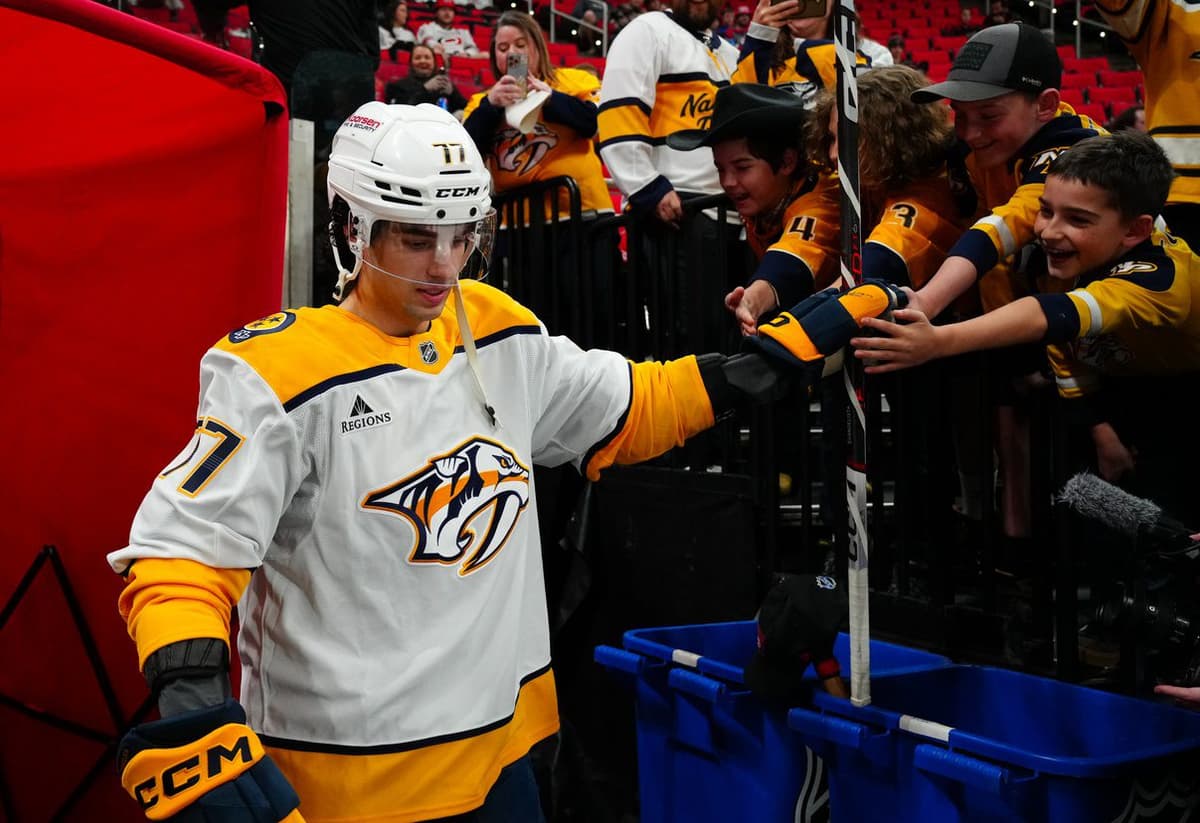
Luke Evangelista is the kind of move that makes front offices look either razor-sharp or completely out of sync with the rest of the league. On Tuesday night, the New Jersey Devils landed the winger from the Nashville Predators for a package that included a conditional 2028 first-round pick and another draft asset, and the immediate reaction around the NHL was exactly what you’d expect: raised eyebrows, laptop refreshes, and a lot of people trying to figure out why Nashville chose this lane.
This is not a trade built for instant clarity. It’s built for interpretation. And right now, the NHL is full of executives trying to read the tea leaves.
New Jersey gets a very specific kind of speed
The Devils have been hunting for exactly this sort of profile for a while. They already live in a world where pace matters, where transition is currency, and where skaters who can push play north in a hurry become more valuable than their raw point totals sometimes suggest. Evangelista fits that ecosystem cleanly.
He’s a winger with enough touch to keep defenses honest and enough quickness to survive in a lineup that wants to attack before the other team is set. That matters in New Jersey because the Devils are not shopping for just “good players.” They’re shopping for fits. There’s a difference, and smart teams know it.
This also tells you something about how the Devils see their window. They are not behaving like a team worried about preserving every future asset. A conditional 2028 first-round pick is a serious price, even if the wording softens the risk. You don’t pay that unless you believe the player can help now and stay useful when the games get heavier in the spring.
Nashville’s side is the one that needs explaining
The Predators trading away a player like Evangelista for futures is the part that will keep people talking. Nashville has spent enough time in the middle ground lately to know what it feels like to be neither rebuilding nor truly dangerous. That’s the most dangerous place in the league. The standings never say it loudly, but the roster does.
When a team in that position moves a younger forward for draft capital, it usually means one of three things: they like the asset return, they’re resetting the timeline, or they’re less convinced about the player’s long-term fit than the public was. Sometimes it’s all three. Either way, this is not the type of swap that screams confidence in the current core.
The Predators have been trying to balance competitiveness with future flexibility for years now, and that dance gets messy fast. Every front office says it wants optionality. Few actually make the kind of move that admits the roster picture is still unsettled.
For more on how one team’s “small” roster move can expose a bigger structural problem, look back at the Devils' recent roster maneuvering — different sport, same front-office logic: when the asset math gets weird, the message usually matters more than the headline.
The price tells you how the market viewed Evangelista
This is the other part that matters. A conditional 2028 first-round pick is not pocket change. Teams do not casually attach that kind of value to a player unless the market says there is real upside there. That’s the clearest signal in this whole deal.
Evangelista isn’t just a “nice depth add.” If he were, the return would look smaller and cleaner. Instead, Nashville’s haul suggests New Jersey saw enough upside to push the chips in a little harder than expected. The Devils have been part of a leaguewide trend where speed and controlled entry pressure are increasingly prized, especially in an era where playoff series can turn into trench warfare if you’re not built to break structure.
There’s also a cap angle here that matters. Teams under pressure to score without overcommitting money often use the trade market to acquire cost-controlled talent before the price tag explodes. That’s how you keep a contender from bleeding value. It’s also why draft picks keep moving even when fan bases would prefer something simpler.
This is exactly the kind of trade that tells you a team trusts its model more than public opinion.
What this signals for both rooms
Here’s my read: New Jersey thinks it can turn Evangelista into a real playoff piece faster than Nashville is willing to wait. That’s the bet. And from the Devils’ side, I get it. Teams with skill-heavy cores have to keep feeding the machine with younger, movable talent before the cap landscape gets ugly. If you’re waiting for perfect value, you end up older, slower, and stuck.
On Nashville’s side, I’m not buying the clean-slate framing unless more moves are coming. This kind of deal can be part of a broader reset, or it can be the sort of sideways transaction that looks strategic until the standings catch up. The Predators have enough talent to avoid a total teardown, which is exactly why trades like this sting. They can’t quite call it a rebuild, but they’re not acting like a team fully certain of its next step either.
That’s the real story here. Not just who got the winger. It’s what each team admitted without saying it out loud.
If you’re New Jersey, you’re betting the skill translates and the fit clicks quickly. If you’re Nashville, you’re asking the fan base to trust a return that won’t matter for years. Those are very different sales jobs.
And around the NHL, those are the deals that linger. Not the loud ones. The weird ones.
Expect the debate to keep running until the next lineup card drops. Then we’ll see who actually won the trade.
More from Straight From The Bench
Comments
Join the conversation — sign in to leave a comment.
Sign in to commentRelated Stories
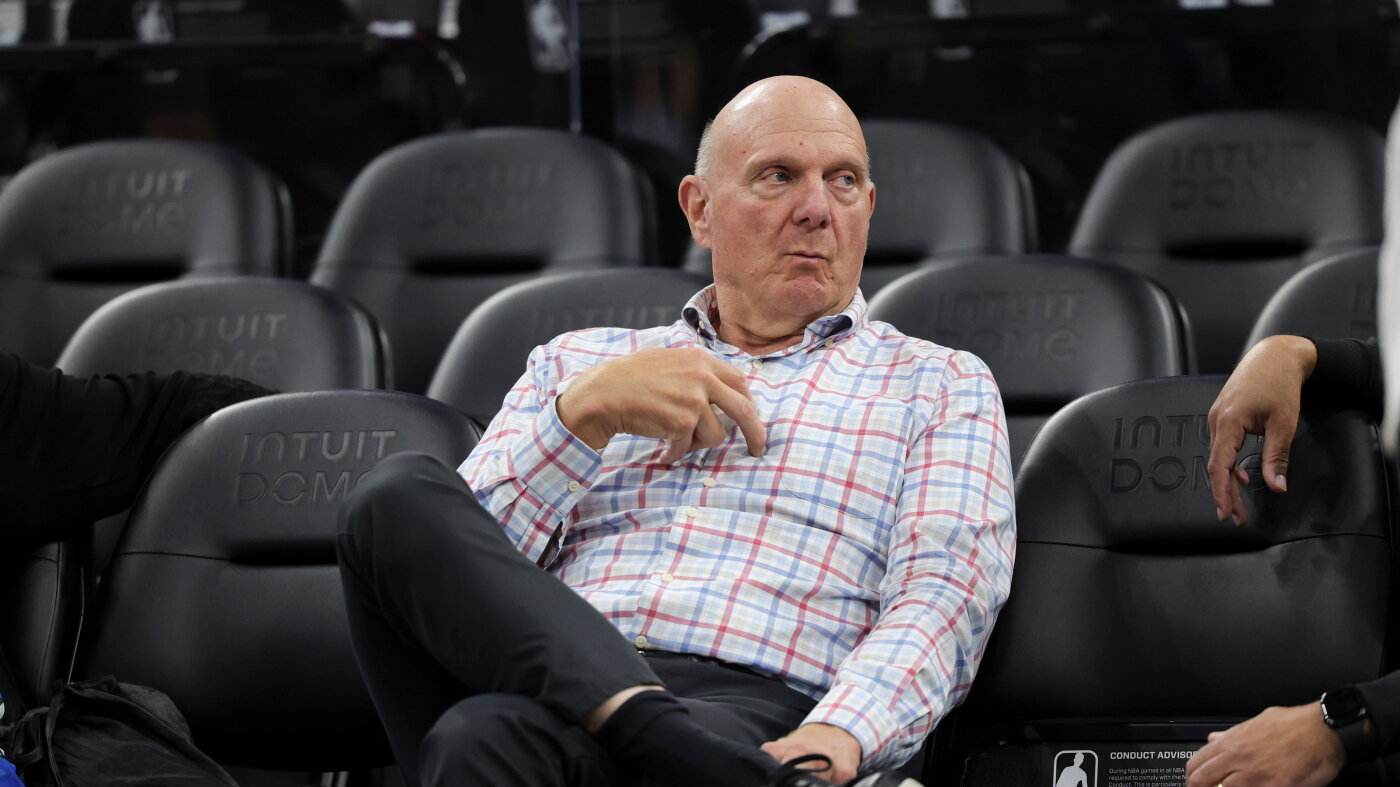
Clippers Cap Circumvention Case: Ballmer Suspended, Team Fined
Steve Ballmer is out for a year, the Clippers are down $30 million, and the league’s cap police just sent a message nobody can miss.

Luke Evangelista Trade: Devils Land Predators Winger for Picks
Luke Evangelista is heading to the Devils after a trade that sends a conditional first and a second-round pick to Nashville. New Jersey gets a young scorer with upside and one year left to make it cou
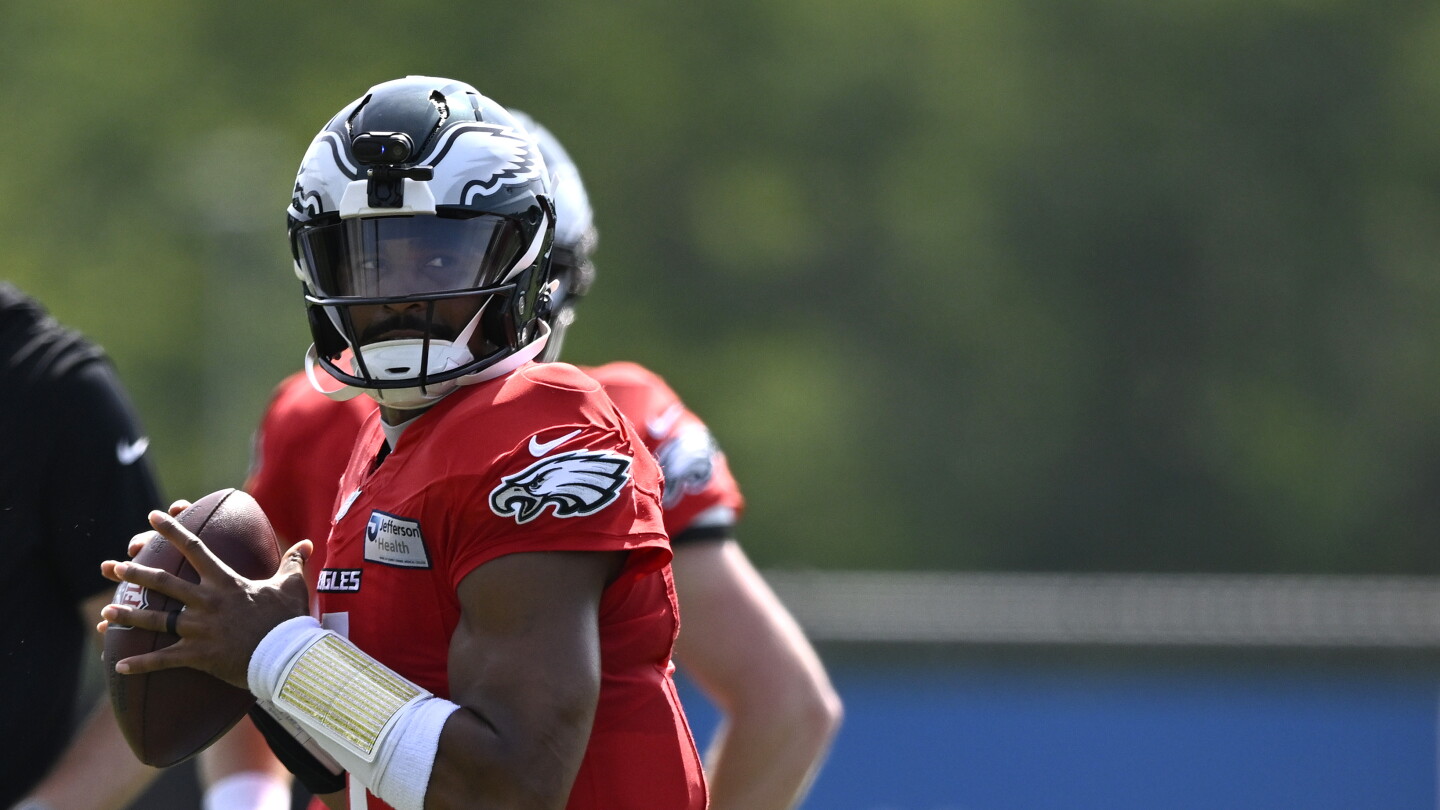
Jalen Hurts A.J. Brown Rift: Eagles' Quiet Fracture Explained
Jalen Hurts admitting he and A.J. Brown grew apart isn’t a throwaway line. It’s a real glimpse into the pressure cooker inside a contender that lives and dies on timing.