
Manchester United Champions League loss: Fernandes slams tactics
A heavy night in Como exposed more than a scoreline — it exposed a dressing room losing patience.
 Beatrice Kensington6 min read

Manchester United left Como not merely beaten, but diminished. A 4-1 defeat in Europe is the sort of scoreline that lingers in the bones, yet the greater damage may have been done after the final whistle, when Bruno Fernandes put language to the unease that has been building around this side for weeks. He spoke of a team that did not press with conviction, of a group that slipped too quickly into a defeated posture after the first blow landed. For a captain to say that aloud is never routine. It is an alarm bell.
The match itself offered the familiar grim theatre of a club still searching for its shape: early concession, wavering authority, and the sort of ragged response that turns a difficult night into a humiliating one. Como did not need to perform miracles. They had structure, intent and the simple advantage of a team that knew exactly what it wanted to do. United, by contrast, looked as if they were waiting for the game to explain itself to them.
Fernandes did not just criticize the performance — he diagnosed a culture
Fernandes rarely hides his feelings, but there is a difference between frustration and indictment. Here, the captain’s complaint went beyond passing lanes and pressing triggers. He was pointing at mentality, which is the most slippery and, in some ways, the most consequential element in football. A team can survive a bad touch. It can survive a missed chance. It is harder to survive the sight of shoulders dropping, of players moving like the match has already been decided.
That is why this defeat matters beyond the standings. Manchester United are not being measured merely by results anymore, but by the evidence of their own resistance. The badge carries a history of late surges and stubborn recoveries, of teams that used noise and nerve as fuel. This side has not yet earned that inheritance. The pressure to Manchester United is not only about trophies; it is about whether the club can still project force under stress.
And Fernandes, for all the criticism he sometimes attracts when United wobble, is among the few players still willing to say the uncomfortable thing in plain terms. That is leadership, even if it arrives with edges.
Como showed what organization can do to a bigger name
The romance of European nights often belongs to the underdog, but this was less romance than method. Como did what so many disciplined sides do when facing a famous club in disarray: they removed the aura by refusing to be impressed by it. Early momentum mattered, of course. Football is a game in which confidence can behave like electricity; once the current runs one way, the whole stadium tilts.
United’s inability to impose pressure allowed the match to become something worse than open. It became comfortable for the home side. That is the real humiliation. A talent gap can be tolerated. A tactical muddle can be argued over. But when a team concedes control and then watches the game harden against them, the result becomes a referendum on preparation.
This is where the conversation turns to Champions League football in its harshest form. The competition does not simply reward quality; it punishes drift. It exposes any side that arrives expecting its reputation to do the work.
A captain calling out the mood of defeat is rarely the problem. It is usually the proof that the problem has been there for some time.
Carrick’s tactics are now part of the story, not just the backdrop
Any manager can survive a poor result. Far fewer survive the sense that the players no longer believe in the plan. That is the shadow hanging over United after this defeat. When Fernandes speaks about a lack of pressure and an early retreat into resignation, the tactical questions become impossible to separate from the emotional ones. Was the shape wrong, or were the instructions simply not being carried out with enough conviction? Was the team too passive from the start, or did the first setback reveal a fragility already waiting beneath the surface?
Michael Carrick has long been associated with composure, with control, with the quieter mechanics of midfield order. Yet this sort of night demands more than neat possession and tidy intentions. It demands a side willing to sprint into danger, to sustain aggression after the first mistake, to make the opponent feel every pass and every duress-filled minute. United did not do that.
The comparison to their own recent struggles is unavoidable. Readers following the club’s broader turbulence will know that this is not an isolated mood swing; it sits inside a wider pattern of uncertainty. For more on the club’s shifting direction, our recent piece on the J.J. McCarthy starting QB update: Harbaugh makes the switch may live in another sport, but the underlying theme is the same: elite teams eventually become known not just for talent, but for clarity. United currently have too little of it.
My view: this is bigger than a bad European night
I have seen enough football to know that some defeats are merely ugly and others are revealing. This one belongs to the second category. When a captain says the team had the wrong mood from the first concession, I hear more than irritation. I hear a dressing room where belief is still conditional, where every setback invites a fresh round of self-doubt. That is a dangerous place for a club with Manchester United’s history, because history can become a burden when current performance no longer feeds it.
The old United sides, at their best, turned adversity into a kind of private fuel. They played with the sense that the match was never fully beyond them. This team does not yet have that inheritance in working order. The result in Como suggests not just a tactical failure, but an emotional one: a side that has not learned how to stay upright when the first punch lands.
That is why Fernandes matters here. Not because he was perfect, but because he remains one of the few voices willing to measure the standard publicly. The club needs that honesty now. Soft platitudes would be more worrying than criticism. They would mean the slide has become normal.
What to watch next as the pressure tightens
The next few matches will tell us whether this was a brutal interruption or a warning shot ignored. United need a response that looks intentional, not accidental. They need to press with purpose, not merely hope to inherit possession. They need the first tackle, the second ball, the ugly stretch of the game where resolve earns its keep.
For Fernandes, the burden is familiar: carry the attacking load, yes, but also carry the message. He has become one of the club’s most visible barometers. When he sounds exasperated, the temperature around Old Trafford rises with him.
The schedule will not care. European football rarely does. The next match begins with the same demand as the last one: stand up, or be pushed around again. For United, that choice is starting to look painfully simple.
More from Straight From The Bench
Comments
Join the conversation — sign in to leave a comment.
Sign in to commentRelated Stories

Khvicha Kvaratskhelia ACL Injury Update: PSG Faces a Hard Winter
Khvicha Kvaratskhelia’s ACL rupture hits PSG where it hurts most: the width, the chaos, the little bit of fear they use to bend matches.
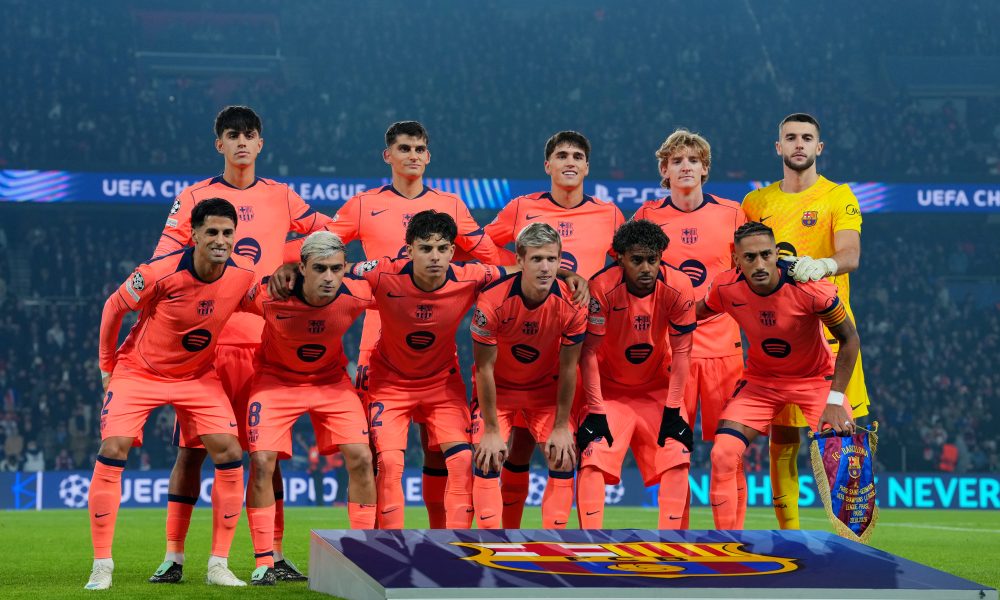
Barcelona vs PSG Player Ratings: Joan Garcia, Gordon, and the cracks
PSG and Barcelona went after each other in Paris, and the result was a sharp reminder that elite games are decided by tiny edges. The ratings tell a familiar story: Barcelona can play, but they still
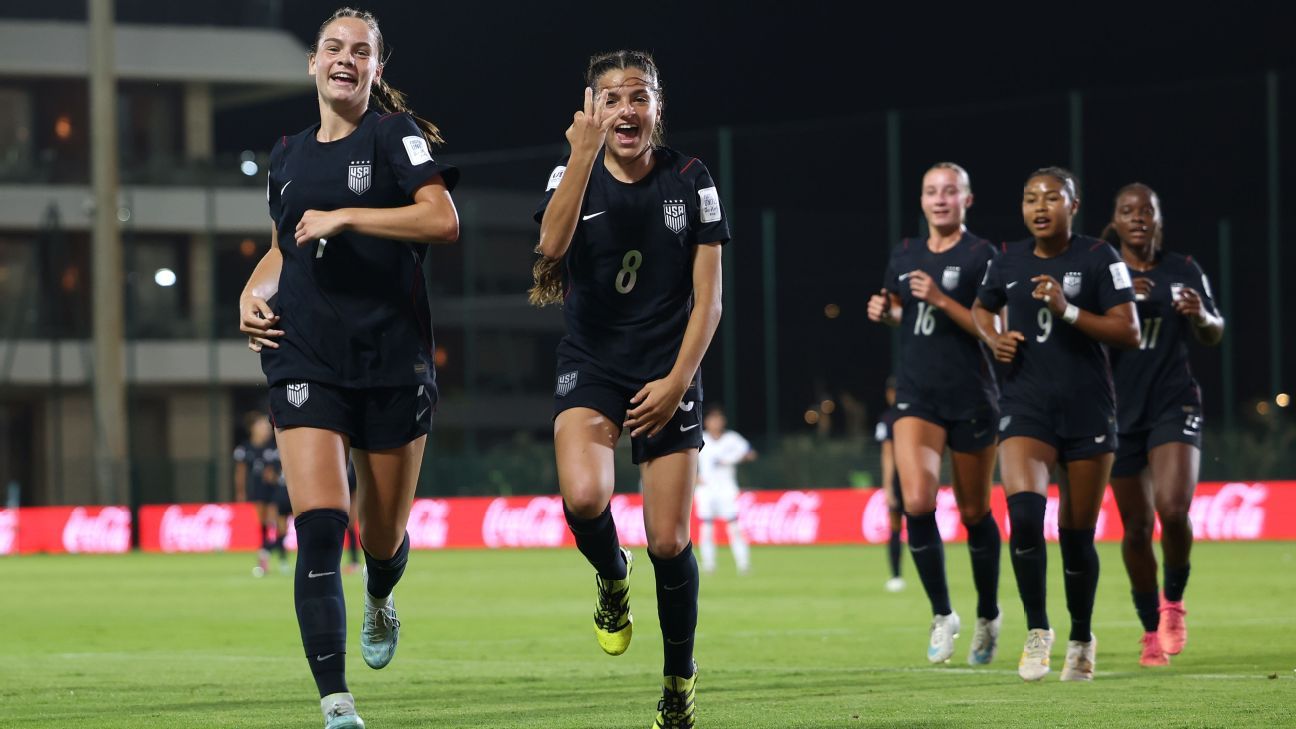
USWNT U-17 World Cup Record: 17-0 Win Over Samoa
The U.S. under-17 women didn’t just beat Samoa — they set a FIFA World Cup scoring record. Pretty, ruthless, and a little savage.