
Mariners loss to Rangers: Mary Oliver recap turns doom into art
Seven runs, one lonely Seattle run, and the poetry defense mechanism is back on duty.
 Zane Miller5 min read
Seattle got flattened, and the box score said it plainly
The Mariners lost 7-1 to the Rangers, and there’s no hiding behind vibes, windy small-ball theories, or the usual late-summer optimism tax. This was a clean, ugly reminder that some nights the lineup simply disappears and the margin for error gets swallowed whole.
Seattle scored once. Texas scored seven. That’s the kind of split that makes every decision feel louder — the starter’s first rough inning, the empty at-bats, the bullpen phone that might as well be glowing red. For a club that has spent plenty of the season trying to convince itself it’s built for October, this is the sort of loss that drags the conversation back to basics: contact, run prevention, and whether the offensive floor is too low to survive a real race.
Why the Mary Oliver mode makes sense right now
The annual Mary Oliver recap isn’t a gimmick so much as a pressure valve. Seattle fans know the drill. The calendar gets heavy, the loss column gets louder, and everybody starts reaching for whatever language can still make sense of a season that keeps slipping through its fingers.
Oliver’s writing lives in attention — to trees, birds, weather, the small gorgeous things that survive even when a day goes sideways. That fits a Mariners season more than the front office would probably like. Because this team can look like a carefully built machine one night and a collection of stranded runners the next. Beauty is still in there. So is the problem.
When the baseball gets ugly enough, poetry starts looking like a survival skill.
That’s not a joke. That’s how fandom works in a market like Seattle. You get hope, then a gut punch, then someone remembers that the emotional infrastructure of a season is held together by a lot more than standings.
The offense is forcing the issue again
A 7-1 loss always starts with pitching on the scoreboard, but the Mariners’ bigger issue is what happens before the mound ever becomes a discussion point. The offense has too many dead stretches, too many innings where the whole group is waiting for one swing that never comes.
That’s the hard truth in a game like this: if you’re not stringing together traffic, the Rangers can keep doing what good teams do — cashing in the extra opportunity, pressuring your defense, and letting the scoreboard work on you. Seattle doesn’t need a lecture on talent. It needs consistency. It needs at-bats that don’t look like they were assembled from three different teams.
This is where the front office math gets uncomfortable. The Mariners have spent years trying to balance run prevention against an offense that too often feels like it’s living on isolated power. There’s a ceiling on that construction. You can survive cold nights. You can’t survive a whole pattern of them.
If you’ve been following the broader roster churn around the league, the pressure point is obvious. Clubs can patch one weakness, maybe two, but not when the core identity is built to win every 4-3 game and then the bats hand you a 7-1 loss instead. That’s how seasons start getting described as “frustrating” in August and “too late” in September.
Texas exposed the thin edge of Seattle’s margin
The Rangers didn’t need to do anything mystical here. They just looked like the steadier team. Fewer mistakes, more damage, better sequencing. That’s usually enough.
And that’s the real sting for Seattle. The Mariners can talk themselves into being close because the underlying pieces are there. The pitching can carry. The defense can hold. But close is not the same as dangerous. Not against teams that can punish a quiet lineup and turn a middling night into a runaway one.
The gap shows up in the little things: whether a runner gets moved, whether a pitcher escapes a jam, whether the bottom of the order can do literally anything to keep the inning alive. In a division that never hands out mercy, those are not small details. They are the whole thing.
Zane’s read: this is where seasons get honest
I’ve covered enough Mariners summers to know this script. Not the exact score, not the exact personnel, but the emotional rhythm. A team hangs around long enough to create belief, then a few losses like this make everyone realize belief is not the same as depth. The talented parts are real. The flaw is real too.
Seattle doesn’t need a full philosophical reboot every time it gets punched in the mouth. But it does need to stop pretending the offense is merely unlucky when too many nights look structurally fragile. That’s the part that front offices hate admitting because it points back to roster design, not just player performance. And roster design is expensive to fix in season.
If you want the historical parallel, think less about one bad game and more about those Mariners clubs that always seemed one bat, one run, one sequence short. Different years. Same ache. The franchises that finally break through usually stop romanticizing the grind and start demanding a lineup that can survive a bad night from the pitching staff instead of turning every bad night into a referendum.
For more on how Seattle’s season has drifted into the familiar weeds, the latest Mariners lineup trouble and the broader roster pressure around contention both matter here. So does the league-wide reminder that teams can patch holes fast when they’re honest about their flaws, as seen in the Red Sox deadline move.
The next stretch is about damage control, not speeches
The Mariners don’t need a pep talk. They need runs. They need cleaner innings. They need to stop giving away nights that were supposed to keep the season on schedule.
And right now, every loss like this makes the next one feel louder. Seattle can still recover. It can still matter. But the margin is getting thinner by the week, and the poetry only works if the baseball gives it something worth saving.
More from Straight From The Bench
Comments
Join the conversation — sign in to leave a comment.
Sign in to commentRelated Stories

Red Sox trade Connelly Early for Curtis Mead: deadline logic
Boston dealt Connelly Early to Washington for Curtis Mead, betting the elbow question and roster math favor the bat. It’s a clean deadline-style wager.
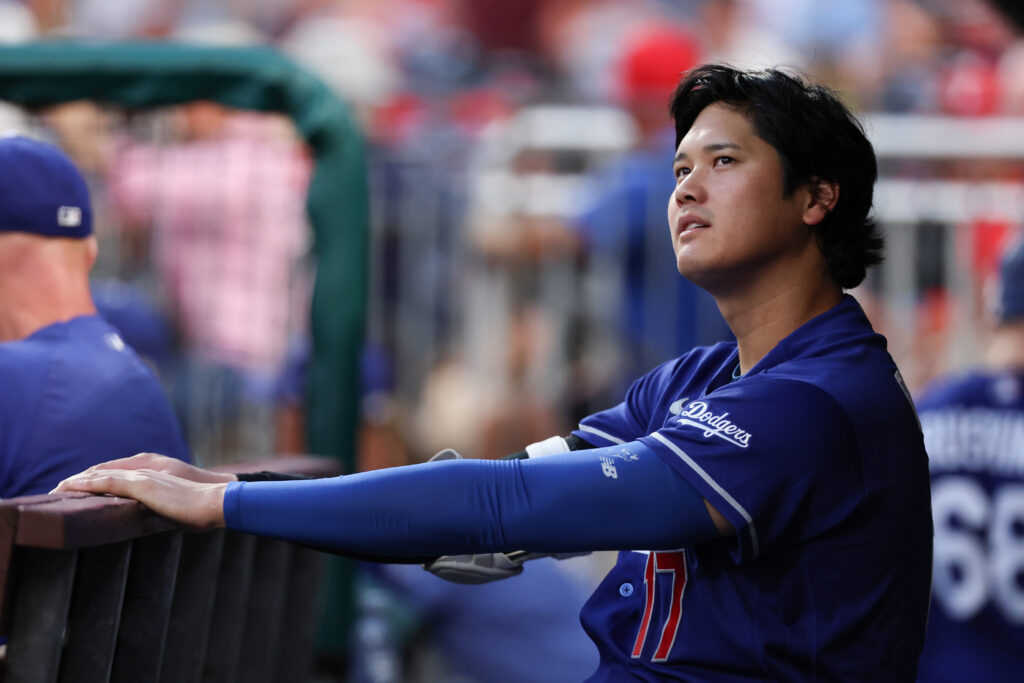
Shohei Ohtani Knee Update: Dodgers Skip Bullpen Session
Ohtani’s planned bullpen session got scrubbed after his knee didn’t bounce back the way the Dodgers wanted. The club says it’s caution, but caution has a way of turning into concern.

Phillies Kick the Ball Around: Fifth Spot Woes Deepen
Tim Mayza and Brian Keller held up their end. The Phillies did not, and another winnable night slipped through their hands.