
Mariners manager Dan Wilson exit: Seattle resets after lost season
The clean-up has started in Seattle, and this one hits at the top.
 Zane Miller6 min read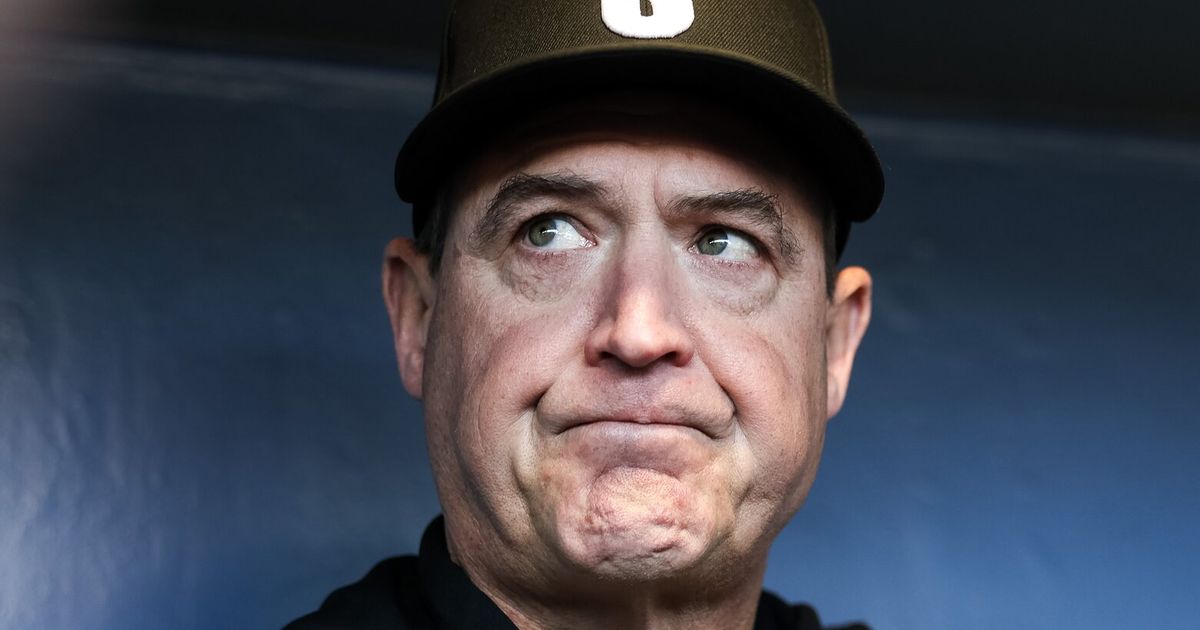
The Mariners are moving on from Dan Wilson, and the timing tells you everything. This is not a knee-jerk reaction to one bad week. This is a front office staring at a season that never found a stable heartbeat and deciding the dugout is where the chain gets cut first.
Wilson was a sentimental fit from day one — a franchise icon, a name that meant something to the fan base, a former catcher who understood the room. None of that buys much in October when the year ends with more questions than wins. Seattle walked into the final day of a disappointing season with the meeting already underway in the broader sense: what was this supposed to be, and why did it keep slipping away?
Seattle chose change at the top
Dan Wilson’s departure is about more than a manager losing his chair. It’s a signal that the Mariners believe the problem was structural, not cosmetic. That matters because this is a roster built to compete, not rebuild from scratch.
The Mariners have spent years trying to thread the same needle: pitching strong enough to keep them in every series, enough power to survive the dry spells, and just enough offense to keep the window open. That’s the tension in Seattle every season. When it works, they look dangerous. When it doesn’t, the margins get brutal fast.
Wilson stepped into a job where every lineup decision gets magnified and every bullpen move gets replayed. That’s the reality in a market that has lived through too many “almost” years. A manager can absorb only so much before the organization decides the voice in the room needs changing.
For context on just how thin the line is in this franchise cycle, look back at the Mariners’ larger recent arc and the pressure that always follows a disappointing finish. This is the same franchise still carrying the emotional baggage of long droughts and big expectations, the kind that keeps the temperature high even before opening day. Their house is T-Mobile Park, but the seat underneath every manager in Seattle has felt hotter than the summer air for a while.
Why this cut feels bigger than one season
Wilson’s biggest challenge wasn’t proving he belonged in the dugout. It was proving he could turn familiarity into edge. That’s a tough sell in a sport where comfort can look a lot like stagnation.
The Mariners didn’t need a clubhouse mascot. They needed a decision-maker whose fingerprints showed up in the margins: the matchup calls, the late-game leverage, the way the roster is managed over six months. If the team felt flat too often, this is where the blame lands. Players don’t get to hide behind vibes, and managers don’t get to hide behind nostalgia.
Seattle also knows what the market expects now. The fan base has seen enough pitching to recognize quality. The standard is no longer “be respectable.” It’s “convert the rotation into October baseball.” That’s a tougher ask than it sounds, and it makes every dead stretch feel like a missed chance, not a normal slump.
The other piece here is timing. When a team makes a move this quickly after the season ends, it usually means the organization already mapped out the next phase. This isn’t a panic button. It’s a transition.
Seattle didn’t just lose faith in a manager. It decided the next contender has to sound, look, and think different.
The front office is being judged too
This is where the story gets sharper. A manager doesn’t just get fired because things go wrong. He gets moved when the people above him believe a different voice can rescue the same ingredients.
That puts pressure back on the front office immediately. If Wilson was the first domino, then the roster construction is now on trial. The Mariners have spent enough on pitching depth and enough time chasing offensive stability that the patience meter is clearly not infinite. Fans don’t need a rebuild speech. They need a plan that stops the annual emotional drift.
And this is the part executives hate hearing but absolutely know: changing managers is the easiest public move in baseball. It buys time. It changes the optics. It shifts the conversation from “why can’t this team finish?” to “what comes next?” That doesn’t mean it’s wrong. It just means everyone in the building understands the assignment.
I’ve seen this movie before with teams that live in the middle ground too long. The roster gets talented enough to feel expensive, but not clean enough to feel complete. Eventually someone pays for the mismatch. Usually it’s the manager, because managers are the most replaceable adults in the room.
And yes, the Mariners have enough talent to make this choice matter. That’s why it stings. You don’t make a move like this if you think the machine is already humming. You make it because you believe the machine needs a different operator.
For more on how volatile the league can feel after a bad stretch, NFL Week 3 Takeaways offers a similar reminder in another sport: once the public verdict starts to harden, the conversation changes fast. Different game, same pressure cooker.
What to watch now in Seattle
The next question is obvious: who do the Mariners trust with this roster?
This job is not for a caretaker. Seattle needs someone who can manage expectation, not just innings and matchups. The club has to decide whether it wants a hard-edged tactician, a developmental voice, or a hybrid who can deal with a veteran room and a roster that still feels like it’s one clean offensive season away from changing the narrative.
It also affects how players read the room. A managerial change tells veterans the organization is serious. It tells younger players that roles may shift. And it tells everybody that the leash for underperformance just got shorter, whether they say it publicly or not.
The Mariners can spin this as a forward-looking move, and maybe it is. But the honest read is simpler. They believed enough wasn’t enough. That’s the message.
If Seattle gets this hire right, it can reset the tone quickly. If it gets it wrong, the noise gets louder and the same old questions come back in March. That’s how these things go in baseball: one decision can feel like housekeeping, then turn into the first line of a new era.
The next manager walks into a franchise that wants more than progress points. It wants payoff. And after this season, nothing less is going to satisfy anybody in Seattle.
More from Straight From The Bench
Comments
Join the conversation — sign in to leave a comment.
Sign in to commentRelated Stories

MLB Wild Card Race: Phillies, Diamondbacks, AL West Go to Game 162
The final NL Wild Card and the AL West are both heading to Game 162, with the Phillies, Diamondbacks, and division chasers all under the gun.
Kirby Yates Retirement: Veteran closer ends a winding MLB career
Kirby Yates called time on a career that never moved in a straight line, but always moved with purpose. The final box score does not tell the whole story; the craft does.

Commanders vs Seahawks: Marcus Mariota Stuns Seattle in 33-31 Win
Without Jayden Daniels and six other starters, Washington still outlasted the Super Bowl champion Seahawks 33-31. Marcus Mariota steadied the night, and the Commanders may have found something larger