
Mets outfield defense: Benge and Ewing make MLB history
Three assists. Two innings. The kind of arm day that changes a game’s mood fast.
 Zane Miller5 min read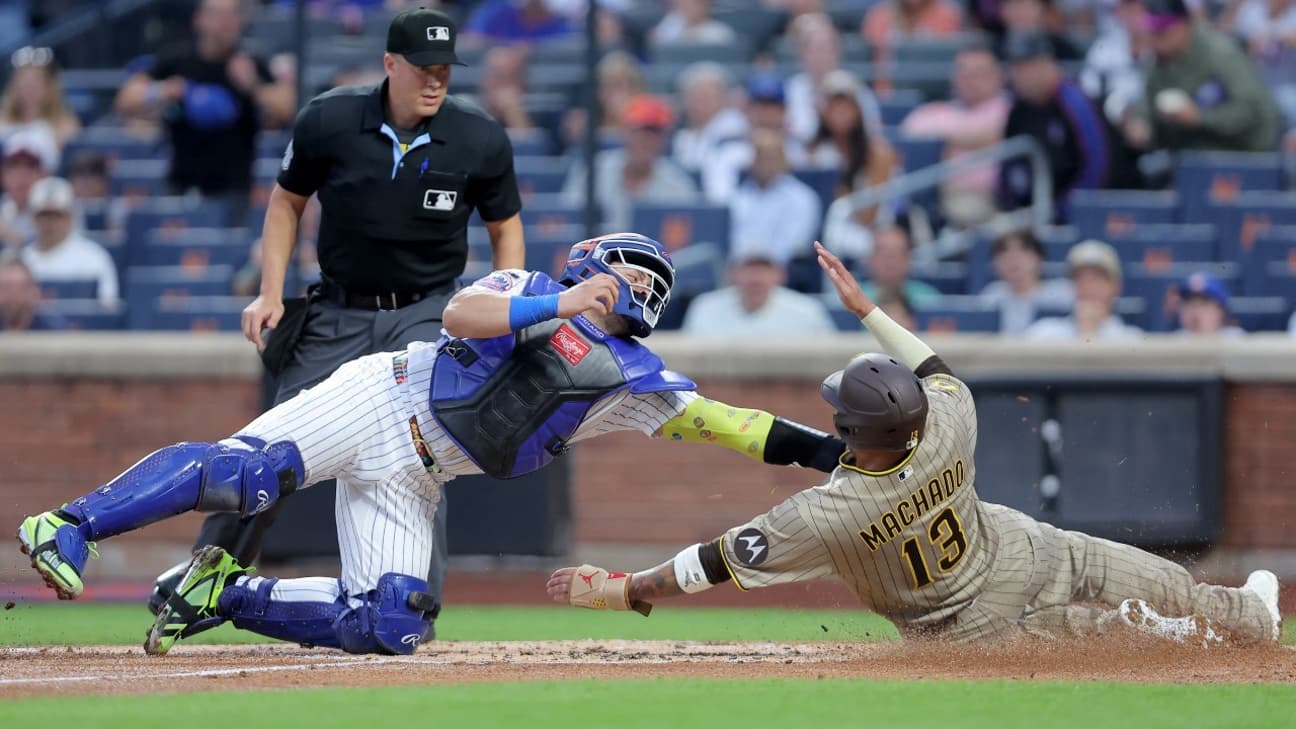
The Mets didn’t just beat the Padres on Monday. They turned the outfield into a pressure chamber and made MLB history in the process. Rookies Carson Benge and A.J. Ewing combined for three outfield assists in the first two innings, the kind of early-game defensive ambush that changes how a dugout breathes.
That’s not a cute stat. That’s a statement.
In a league where outfield assists are usually spread out like rare coins, getting three before the game has even settled in is the sort of thing that makes coaches grin and opposing baserunners start second-guessing everything. The Mets have spent years trying to balance star power with roster fit, and suddenly two rookies are giving them something a little old-school and very valuable: fear on the bases.
Two rookies, one loud defensive message
Benge and Ewing didn’t need a hot streak at the plate to matter here. They impacted the game with clean reads, quick transfers, and enough arm to punish aggressive running. That matters because the modern game has drifted toward offense-first theater, where defense often gets treated like a luxury unless it shows up on the scoreboard.
Not Monday. Monday was defense as a weapon.
Three assists in two innings is the kind of burst that can flip a scouting report in real time. Teams that thought they could take the extra base now have to file a new note: not against these guys. For a Mets club trying to squeeze value out of every roster spot, rookie defenders who can shorten innings are gold.
The history piece gives it even more juice. A defensive feat like this doesn’t happen by accident. It usually takes a mix of range, instincts, and a pitcher or two putting traffic on the bases. But the outfielders still have to finish the play. That’s where Benge and Ewing earned their place in the conversation.
Why this matters for the Mets right now
This is bigger than one box score quirk. The Mets have lived through enough seasons where their identity got defined by what went wrong. A pair of rookies helping control the game with their gloves is the kind of side plot winning clubs love to discover. It means less stress on the bullpen, less chaos on the bases, and a little more trust when the game gets tight.
And it plays directly into how front offices think. Defense from young, cost-controlled players is a real roster separator. You can buy power. You can trade for it. You cannot fake reliable outfield instincts, especially when those instincts come with arm strength. That’s the sort of early-development signal executives and pro scouts file under “keep this guy on the field.”
It also echoes a theme the Mets have been circling for a while: the team wants athleticism, not just name value. If these rookies stick, they can change the shape of the roster conversation. That matters in New York, where every move gets judged against the size of the stage.
The Mets’ larger roster picture has been a constant tug-of-war between ceiling and certainty, the same kind of tension that has hovered around other big-market clubs like the Lakers in their own internal mess. Talent gets you headlines. Fit keeps you alive. And right now, these kids are giving New York fit.
The baserunning tax is back on the menu
There’s also a quiet psychological layer here. Once runners know they can get burned, the whole game gets tighter. Coaches hesitate on send decisions. Hitters think about stretching singles instead of doing it by instinct. That’s how defense bleeds into offense without ever appearing in the slash line.
For the Padres, this was a nasty reminder that one mistake on the bases can get doubled or tripled in value when the outfield is playing with confidence. For the Mets, it’s a chance to build an identity that travels. Hitting slumps. Pitching gets tired. But defensive pressure? That carries.
Three outfield assists in two innings isn’t a hot streak. It’s a warning label.
I’ll say this straight: this is the kind of moment I file away because it tells you what kind of team a clubhouse can become. Not instantly. Not forever. But the good ones usually have a few nights where a couple of young players announce themselves with something other than a bat flip. I’ve seen enough seasons to know this stuff sticks with managers, with runners, with front offices. Maybe not forever, but long enough to matter.
And for a franchise that has spent too much time trying to manufacture certainty, that’s not a trivial thing. If Benge and Ewing are real in center and corner roles, the Mets just found a pair of players who can influence games even when the offense is quiet. That’s how you ease the load on the stars. That’s how you survive the grind.
What to watch next
The obvious next step is whether this defensive burst turns into repeatable trust. One wild night gets the highlight package. Two or three more like it gets the lineup card written in pencil a little harder.
Watch how opposing teams run on them now. Watch whether the Mets start shading the outfield differently because the arms are live. And watch the coaching staff, because once a staff sees it can erase extra bases from the equation, that confidence tends to spread fast.
The bats will come and go. The throws already showed up.
That’s the part worth remembering.
More from Straight From The Bench
Comments
Join the conversation — sign in to leave a comment.
Sign in to commentRelated Stories
Ketel Marte Restricted List Update: Diamondbacks’ Quiet Crisis
Ketel Marte didn’t show up, and the Diamondbacks had no choice but to put him on the restricted list. Now the baseball gets messy fast.
Ketel Marte Restricted List Update: Diamondbacks Face A Quiet Crisis
Ketel Marte’s move to the restricted list leaves the Diamondbacks managing more than a roster spot. It leaves them managing a silence.
Yankees Max Fried Injury Update: Another IL Stint for Ace
Max Fried is back on the injured list with an elbow bone bruise, a frustrating reset for a Yankees staff already juggling bodies and innings.