
Cubs Injured List Update: Edward Cabrera and Dansby Swanson
Two core names hit the shelf, and the Cubs’ margin for error just got thinner
 Zane Miller6 min read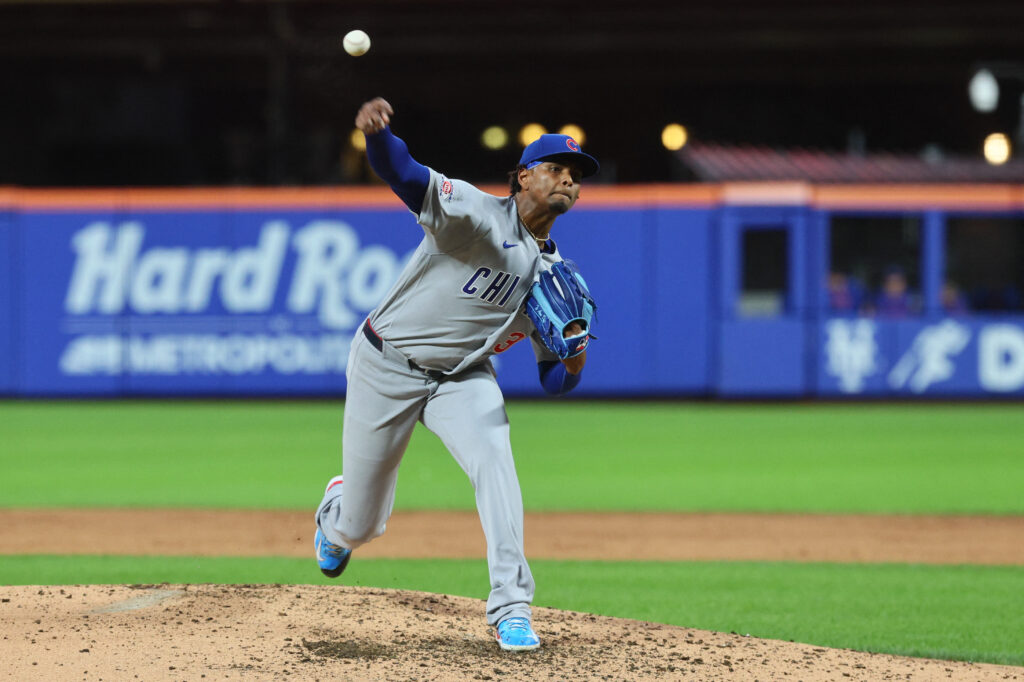
The Cubs didn’t need a day like this. They got one anyway. Edward Cabrera lands on the 15-day injured list with a right middle finger blister, and Dansby Swanson is headed to the 10-day IL with a left-side issue that knocks one of the club’s most stable everyday players out of the lineup. That’s not just a pair of transactions. That’s the kind of roster hit that forces a manager to start juggling the deck before the coffee gets cold.
Chicago has spent this season trying to walk the line between depth and urgency. Today leans hard toward urgency. A blister sounds minor until you remember how many pitches that finger controls. A shortstop strain sounds manageable until you remember how much of the defensive spine disappears when Dansby Swanson isn’t taking reps at short. And if you’re a front office that already knows every inch of the roster is being evaluated by the standings, the market, and your own medical room, this is the part where patience gets expensive.
The Cubs are not just losing names here. They’re losing rhythm, and rhythm is what separates a good roster from a brittle one.
Cabrera’s injury is small on paper, big in practice
Right-handed pitcher Edward Cabrera going on the IL for a blister is one of those moves that looks tidy in a transaction log and messy everywhere else. Blisters are brutal because they can linger, flare up, and wreck command even after the player is technically back. Pitchers can’t just power through them the way fans imagine. Every grip feels different. Every breaking ball is a negotiation.
For the Cubs, this is less about one arm and more about innings management. A pitching staff is a house of cards once you start removing the wrong layers. If Cabrera was part of the plan to absorb leverage innings, cover a start, or simply give the bullpen a softer landing on busy stretches, that plan just got rewritten. That’s how these things work in August: one small medical label turns into three days of roster math.
The broader issue is that blisters tend to expose a team’s pitching depth in a hurry. If the Cubs were already leaning on matchup-based bullpen usage or trying to get through stretches without overtaxing high-leverage arms, this pushes them closer to the edge. You can patch a game. You can patch a week. Over a full stretch, the wear shows.
Swanson’s absence hits the Cubs where the floor lives
The bigger baseball loss here is Swanson. When Dansby Swanson is on the field, he gives a team a steadier baseline than most shortstops in the game. Defense, range, instincts, daily professionalism — that stuff matters more than the highlight reel. And it matters even more on a team that wants to control games with run prevention instead of turning every night into a slugfest.
With Swanson out, the Cubs don’t just lose a bat or a glove. They lose the guy who helps stabilize the infield in front of the pitchers. That has a cascading effect. Middle infield communication gets tested. The double-play combo changes. Pitchers change how aggressively they attack the zone because they’re aware the margin behind them is thinner.
This is where roster construction gets exposed. The modern Cubs have tried to build enough redundancy to survive injuries without the whole thing slipping off the rails. That’s the theory. The reality is harsher. When a premium defender like Swanson leaves the lineup, the replacement isn’t giving you the same first step, the same range, or the same confidence level on balls up the middle. That’s not a slight. That’s just how the league works.
This also creates a different kind of pressure on the offense. Chicago can’t afford a dead spot if the infield defense isn’t locking down games. Somebody else has to produce enough to keep the club from living in one-run territory every night. That’s where the lineup starts feeling every missing piece twice.
The roster squeeze is the real story
This is where the transaction really bites. Teams don’t lose one player at a time. They lose the version of the roster that was built around those players. One injury changes bullpen usage. Two injuries change defensive alignment, bench roles, and late-game strategy. The Cubs now have to decide whether they want to patch for the next series or preserve enough flexibility for a longer run.
That’s the same kind of roster pressure that shapes every contender in this league. If you want a reminder of how quickly a club can move from stable to scrambled, look at how other organizations have had to navigate sudden availability swings across a season. We’ve already seen how depth can become the difference between surviving a stretch and spiraling through it, the same way fans saw with the chaos around the Steelers training camp weather interruption in football: the schedule doesn’t care why you’re short-handed, only that you are.
And for a team like Chicago, there’s another layer. The front office knows every injury has a downstream cost. If you’re already thinking about the trade market, the waiver wire, or just the weekly pitching map, this kind of IL news can speed up the timeline. Not because a panic move is required. Because the club has to decide whether this roster can hold its shape without help.
My read: this is where seasons either harden or crack
I’ve seen enough baseball seasons to know this part by heart. The teams that stay alive when the body count rises are the ones that have already built habits around chaos. Not slogans. Habits. Good clubs know who handles emergency innings, who covers shortstop without the whole infield wobbling, and who can absorb a bad week without dragging the next one down with them.
Chicago still has a chance to make these absences boring, which is the best-case outcome. But boring requires competence in the margins. It means cleaner at-bats, cleaner routes, cleaner bullpen choices, and no panic over a few days of bad luck. The Cubs can survive that if the replacements do their job and the rest of the roster keeps the floor from falling out.
The danger is obvious, though. If the offense stalls and the defense gets less crisp without Swanson, the losses start compounding. That’s when one IL move turns into a week of overuse and a month of regret. Teams don’t always collapse in one dramatic moment. Sometimes they just stop looking as sturdy as they did three days earlier.
Chicago gets a chance to prove this is a detour, not a trend. The lineup card will look different. The pressure won’t.
Watch the next roster move. That’s where the real message usually lives.
More from Straight From The Bench
Comments
Join the conversation — sign in to leave a comment.
Sign in to commentRelated Stories

Brewers Logan Henderson Decision: Why Passing on Skubal Worked
The Brewers took heat for not chasing Tarik Skubal. Then Logan Henderson helped flip the story at Dodger Stadium.
Giants Loss to Rockies: Tony Vitello Slams 'Junior College Game'
The Giants didn’t just lose to Colorado. They handed away extra bases, free passes, and whatever pride was left in the drawer. Tony Vitello called it like it looked.

Tommy John obituary: the surgery that changed baseball forever
Tommy John was more than a pitcher with a famous procedure attached to his name. He became a hinge between baseball’s old body and its modern one.